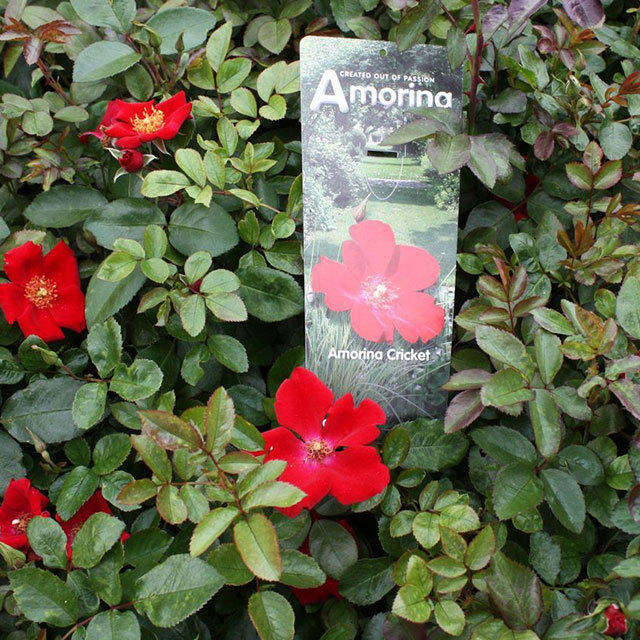
Rosa Amorina Brown Leaf Tips
eco Brown Leaf Tips

Rosa Amorina – Brown Leaf Tips

Why does your Rosa Amorina have brown leaf tips? Diagnose the cause and fix it with our step-by-step guide.

search Possible Causes

error

Salt or Fertilizer Buildup

Accumulated mineral salts from tap water or excessive synthetic fertilizers can burn the sensitive edges of miniature rose foliage. This causes tip necrosis as the plant struggles to regulate osmotic pressure in its smaller vascular structure.

Very Common
lightbulb
How to confirm: Check if there is a white, crusty residue on the soil surface or the rim of the pot.
build How to fix it
shopping_cart Recommended Products
1 Flush the soil thoroughly with distilled or rainwater to leach out accumulated mineral salts and excess fertilizer from the root zone.
2 Prune away the dead, brown leaf tips using sterilized shears to prevent further necrotic spread through the foliage.
3 Switch to a diluted, organic feeding schedule and consider adding a soil amendment like worm castings to improve soil health and buffer salt levels.
error

Underwatering and Low Humidity

Miniature roses have shallower root systems than standard roses and are highly susceptible to moisture stress. When humidity drops or soil dries out completely, the plant sacrifices the leaf tips first to conserve moisture.

Very Common
lightbulb
How to confirm: Touch the soil an inch below the surface to see if it feels bone-dry.
build How to fix it
shopping_cart Recommended Products
1 Check the soil moisture level immediately using a moisture meter to ensure the root zone is not completely desiccated.
2 Increase local humidity around the miniature rose by using a pebble tray or a fine misting spray bottle to prevent further tip desiccation.
3 Establish a consistent watering schedule, ensuring the soil remains moist but not waterlogged, and consider adding a layer of organic mulch to retain moisture.
warning

Fungal Leaf Spot (Diplocarpon rosae)

While typically presenting as dark spots, advanced infections can lead to necrotic brown tissue spreading from the edges. This is common in miniature roses kept in poorly ventilated environments.

Common
lightbulb
How to confirm: Inspect the underside of the leaves for dark, irregular blotches or fuzzy fungal growth.
build How to fix it
shopping_cart Recommended Products
1 Prune and remove all infected leaves and affected stems immediately to prevent the fungal spores from spreading to healthy tissue.
2 Apply an organic fungicide to the plant to control the spread of the infection and protect new growth.
3 Improve air circulation around the plant and avoid overhead watering to ensure leaves dry quickly after moisture exposure.
warning

Root Rot (Phytophthora)

Excessive moisture in a small pot can suffocate the roots of a Rosa Amorina. As roots decay, they lose the ability to transport water to the leaf extremities, resulting in brown, dying tips.

Common
lightbulb
How to confirm: Gently lift the plant from its pot to check if the roots are dark and slimy rather than firm and white.
build How to fix it
shopping_cart Recommended Products
1 Immediately inspect the roots for mushy, dark, or foul-smelling decay and trim away any dead sections using sterilized tools.
2 Repot the rose in a fresh, well-draining medium and ensure the container has adequate drainage to prevent water pooling.
3 Monitor soil moisture levels closely with a meter to ensure the substrate is allowed to dry out between waterings, preventing future suffocation.

Other Rosa Amorina problems

Your plant might also be experiencing one of these issues:

local_hospital All symptoms eco All plants with brown leaf tips
favorite