Rosa Amorina Leggy Stems
eco Leggy Stems

Rosa Amorina – Leggy Stems

Why does your Rosa Amorina have leggy stems? Diagnose the cause and fix it with our step-by-step guide.

search Possible Causes

error

Insufficient Light Exposure

As a miniature variety, Rosa Amorina requires high light intensity to maintain compact growth. When light is low, the plant undergoes etiolation, stretching its stems toward the light source at the expense of stem thickness and bud production.

Very Common
lightbulb
How to confirm: Observe if the new growth is significantly paler and thinner than the older, lower stems.
build How to fix it
shopping_cart Recommended Products
1 Move your miniature rose to a location with much higher light intensity, such as a south-facing window or a spot with direct sunlight.
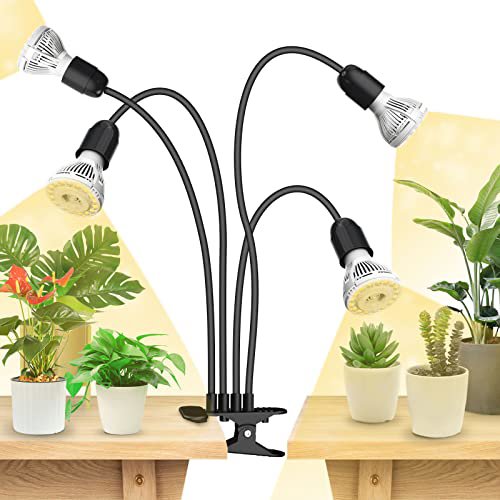
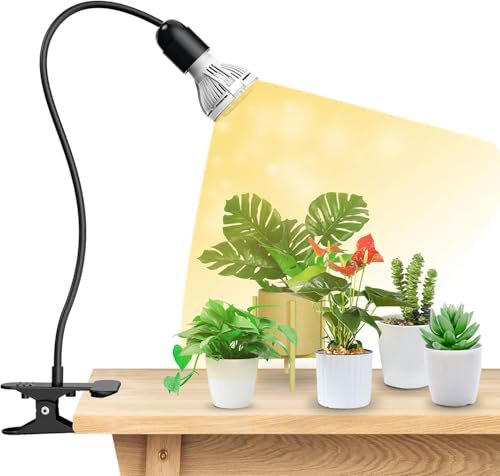
2 Supplement with a full-spectrum LED grow light to provide the necessary intensity for compact growth and bud production.
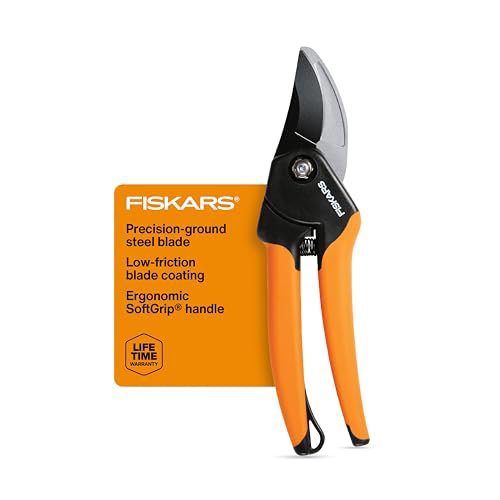
3 Prune away the excessively stretched, weak stems using sharp, clean shears to encourage new, bushier growth from the base.
error

Excessive Nitrogen Fertilization

High levels of nitrogen promote rapid vegetative cell elongation. In miniature roses, this can cause 'soft' growth where the plant prioritizes stem length over structural integrity and flower development.

Very Common
lightbulb
How to confirm: Check if you have recently used a fertilizer with a much higher first number (N) in the N-P-K ratio.
build How to fix it
shopping_cart Recommended Products
1 Stop all nitrogen-rich fertilization immediately to allow the plant to stabilize its growth and focus on structural development.
2 Prune the elongated, weak stems back to a stronger node to encourage bushier, more compact growth.
3 Transition to a balanced or phosphorus-rich fertilizer to support stronger stems and improved flowering.
warning

Improper Pruning Regimen

Failure to prune dead or overly elongated canes prevents the plant from regenerating compact, bushy growth. For miniature roses, leaving old, long stems allows them to continue growing vertically without lateral branching.

Common
lightbulb
How to confirm: Examine if there are any visible nodes or buds on the upper parts of the elongated stems.
build How to fix it
shopping_cart Recommended Products
1 Use sharp, clean pruning shears to prune back the elongated, leggy canes to a shorter height, making cuts just above a healthy outward-facing bud to encourage lateral branching.
2 Remove any dead, damaged, or diseased wood from the base of the plant to allow for new, compact growth to emerge.
3 Ensure the plant receives adequate light to prevent further stretching, and consider using a full-spectrum grow light if indoor lighting is insufficient.
warning

Watering Inconsistency

Fluctuations between drought stress and overwatering can cause growth spurts followed by weakness. This instability prevents the formation of sturdy, lignified stem tissue in Rosa Amorina.

Common
lightbulb
How to confirm: Feel the soil depth; if it transitions from bone-dry to saturated frequently, the root system may be struggling.
build How to fix it
shopping_cart Recommended Products
1 Stabilize the watering schedule by using a moisture meter to ensure the soil remains consistently moist but not waterlogged, preventing the stress cycles causing weak stems.
2 Apply a balanced liquid fertilizer to provide the necessary nutrients for developing stronger, more lignified stem tissue.
3 Prune away the weakest, most elongated stems using sharp, clean shears to encourage new, sturdier growth from the base.

Other Rosa Amorina problems

Your plant might also be experiencing one of these issues:

local_hospital All symptoms eco All plants with leggy stems
favorite