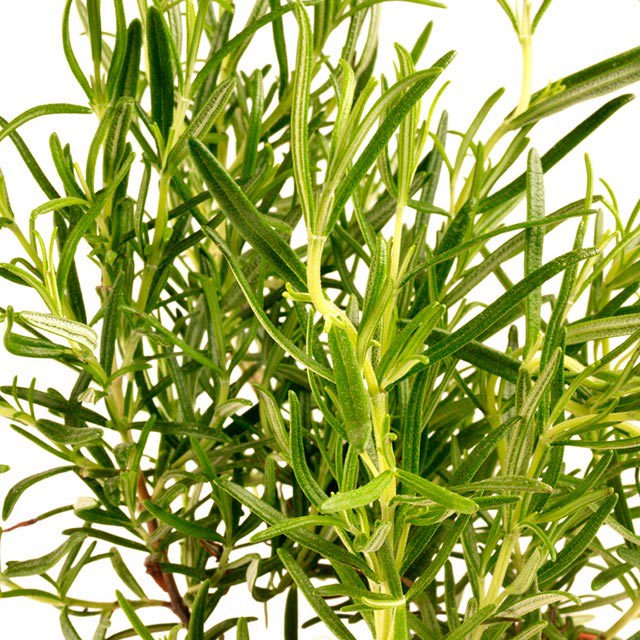
Rosmarinus officinalis Brown Leaf Tips
eco Brown Leaf Tips

Rosmarinus officinalis – Brown Leaf Tips

Why does your Rosmarinus officinalis have brown leaf tips? Diagnose the cause and fix it with our step-by-step guide.

pets Pet Friendly

search Possible Causes

error

Improper Watering (Overwatering/Root Rot)

Rosemary is highly susceptible to root rot if the soil remains saturated. Excessive moisture prevents oxygen from reaching the roots, causing the foliage tips to turn brown and eventually die back.

Very Common
lightbulb
How to confirm: Stick your finger deep into the soil; if it feels muddy or wet several inches down, you are likely overwatering.
build How to fix it
shopping_cart Recommended Products
1 Immediately check the soil moisture level using a meter to confirm if the root zone is saturated.
2 Repot the rosemary in a well-draining medium, such as a mix containing perlite or horticultural sand, to improve aeration and prevent future rot.
3 Ensure the plant is in a container with excellent drainage and use a saucer to catch excess water, but do not let the pot sit in standing water.
error

Low Humidity or Desiccation

While rosemary is drought-tolerant, extremely dry air (common in heated indoor environments) can cause the delicate needle tips to lose moisture faster than the plant can replace it.

Very Common
lightbulb
How to confirm: Check if the browning is accompanied by crispy, brittle texture in an environment with low humidity.
build How to fix it
shopping_cart Recommended Products
1 Increase local humidity around the plant by using a pebble tray or a fine misting tool to prevent further moisture loss from the needle tips.
2 Monitor soil moisture levels closely with an analog meter to ensure the plant is not experiencing extreme desiccation between waterings.
3 Avoid placing the rosemary near heating vents or radiators, which significantly drop humidity and accelerate leaf tip browning.
warning

Salt Accumulation (Fertilizer Burn)

Excessive buildup of mineral salts from tap water or over-fertilization can cause osmotic stress, drawing moisture out of the leaf tips and leaving them scorched and brown.

Common
lightbulb
How to confirm: Look for a white, crusty residue on the soil surface or the edges of the terracotta pot.
build How to fix it
shopping_cart Recommended Products
1 Flush the soil thoroughly with large amounts of distilled or rainwater to leach out accumulated mineral salts.
2 Prune away the brown, scorched leaf tips using sterilized shears to prevent further aesthetic damage.
3 Transition to using a moisture meter to ensure you are only watering when the top inch of soil is dry, preventing future over-fertilization.
warning

Fungal Pathogen (e.g., Botrytis)

High humidity combined with poor air circulation can trigger fungal infections that manifest as browning or necrotic spots on the foliage tips.

Common
lightbulb
How to confirm: Inspect the base of the stems and the undersides of leaves for any signs of fuzzy gray mold or dark lesions.
build How to fix it
shopping_cart Recommended Products
1 Improve air circulation around the rosemary plant by spacing it away from other foliage and using a small fan if necessary to reduce humidity buildup.
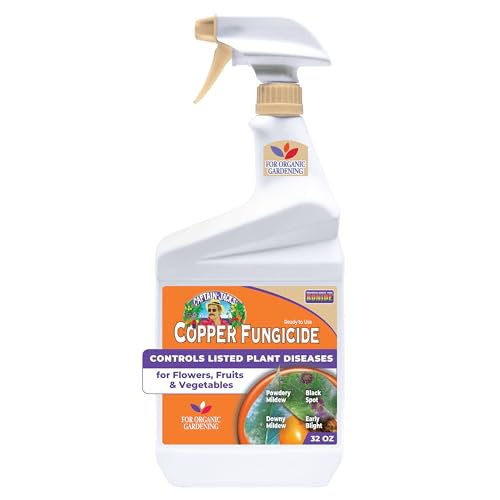
2 Apply an organic fungicide to treat the fungal pathogen and prevent the spread of necrotic spots.
3 Prune and discard any heavily affected or dead foliage to remove the source of infection, ensuring you clean your tools with alcohol afterward.

Other Rosmarinus officinalis problems

Your plant might also be experiencing one of these issues:

local_hospital All symptoms eco All plants with brown leaf tips
favorite