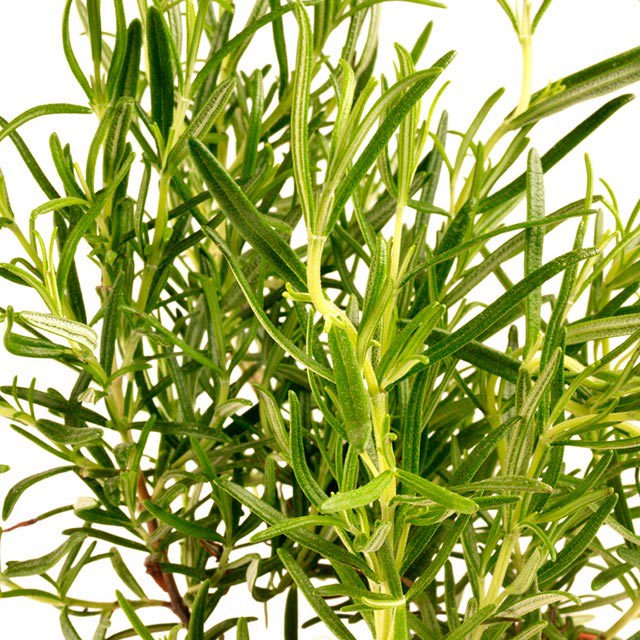
Rosmarinus officinalis Yellow Leaves
eco Yellow Leaves

Rosmarinus officinalis – Yellow Leaves

Why does your Rosmarinus officinalis have yellow leaves? Diagnose the cause and fix it with our step-by-step guide.

pets Pet Friendly

search Possible Causes

error

Overwatering and Root Rot

Rosemary is highly sensitive to excess moisture; saturated soil deprives roots of oxygen, leading to fungal pathogens like Phytophthora that cause chlorosis. This is the most common reason for yellowing in container-grown Rosemary.

Very Common
lightbulb
How to confirm: Stick your finger two inches into the soil to see if it remains damp for several days after watering.
build How to fix it
shopping_cart Recommended Products
1 Immediately remove the plant from its current container and trim away any mushy, black, or foul-smelling roots caused by rot.
2 Repot the rosemary in a well-draining medium, incorporating perlite to increase aeration and prevent future waterlogging.
3 Switch to a more porous container and use a moisture meter to ensure the soil is allowed to dry out significantly before the next watering.
warning

Nutrient Deficiency (Nitrogen)

A lack of nitrogen prevents the production of chlorophyll, causing older leaves on the Rosemary bush to turn pale yellow before dropping. This often occurs in exhausted potting mixes or sandy soils with low organic matter.

Common
lightbulb
How to confirm: Observe if the yellowing starts on the oldest, bottom-most needles and spreads upward.
build How to fix it
shopping_cart Recommended Products
1 Apply a nitrogen-rich organic fertilizer to replenish the soil nutrients and restore chlorophyll production.
2 Amend your existing soil with organic matter, such as worm castings, to improve long-term nutrient availability and soil structure.
3 Monitor the soil moisture levels using a moisture meter to ensure the nitrogen is being delivered effectively without causing root rot.
warning

Improper Drainage/Poor Soil Aeration

If the Rosemary is planted in heavy clay soil, water can pool around the root ball, suffocating the plant. Lack of aeration leads to physiological stress and yellowing of the needle-like foliage.

Common
lightbulb
How to confirm: Check if the planting site has standing water or if the soil feels compacted and hard like a brick.
build How to fix it
shopping_cart Recommended Products
1 Repot the rosemary in a well-draining medium by mixing in horticultural perlite to improve soil aeration and prevent water pooling.
2 Ensure the plant is in a container with adequate drainage holes and use a saucer to catch excess water without letting the pot sit in standing water.
3 Monitor the soil moisture levels regularly using a moisture meter to ensure the soil is not staying saturated for too long.
warning

Root Bound Condition

In containers, Rosemary roots can circle the pot, eventually outgrowing the available space and nutrients. This restricted root system cannot support the canopy, resulting in overall yellowing and stunted growth.

Common
lightbulb
How to confirm: Gently lift the plant from its pot to see if roots are circling the perimeter or tightly packed.
build How to fix it
shopping_cart Recommended Products
1 Gently remove the rosemary from its current container to inspect the root mass; if roots are circling the base, prune any excessively long or circling roots to encourage outward growth.
2 Repot the rosemary into a larger container with a diameter at least 2 inches wider than the current pot, ensuring the new pot has excellent drainage.
3 Use a fresh, well-draining potting medium enriched with organic matter to provide the necessary nutrients for the expanded root system.

Other Rosmarinus officinalis problems

Your plant might also be experiencing one of these issues:

local_hospital All symptoms eco All plants with yellow leaves
favorite