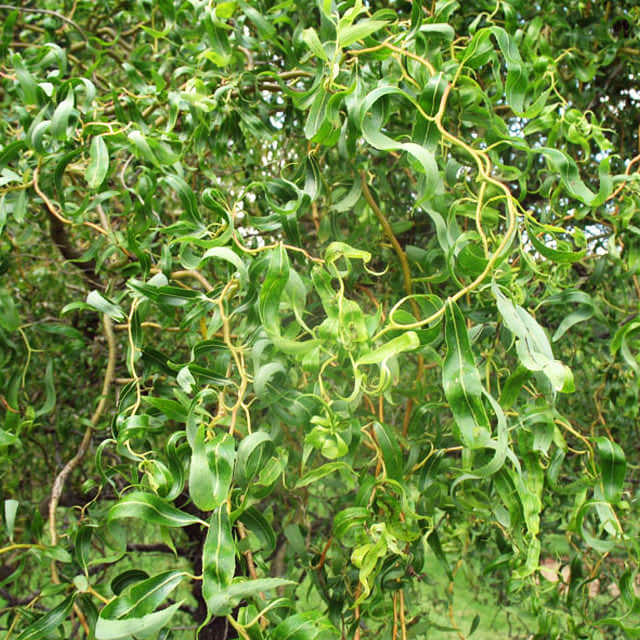
Salix matsudana Yellow Leaves
eco Yellow Leaves

Salix matsudana – Yellow Leaves

Why does your Salix matsudana have yellow leaves? Diagnose the cause and fix it with our step-by-step guide.

pets Pet Friendly

search Possible Causes

error

Waterlogging and Root Hypoxia

Salix matsudana is water-loving but highly susceptible to anaerobic conditions in heavy soils. Excessively saturated soil deprives roots of oxygen, leading to chlorophyll breakdown and characteristic yellowing of the leaves.

Very Common
lightbulb
How to confirm: Check if the soil remains saturated for long periods or if there is standing water around the base of the tree.
build How to fix it
shopping_cart Recommended Products
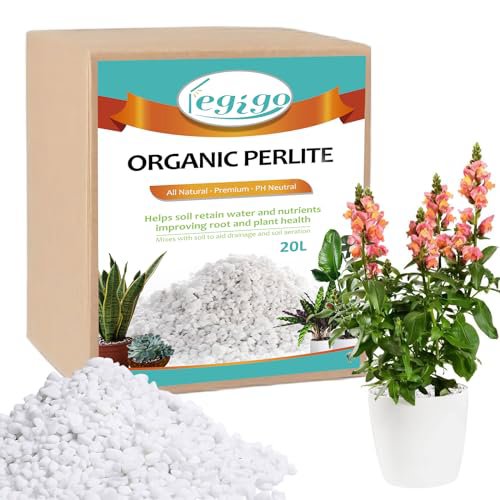
1 Improve soil drainage immediately by incorporating coarse horticultural perlite or expanded clay pebbles into the root zone to increase aeration and prevent further oxygen deprivation.
2 Check the soil moisture levels regularly using an analog moisture meter to ensure the soil is not remaining saturated for extended periods.
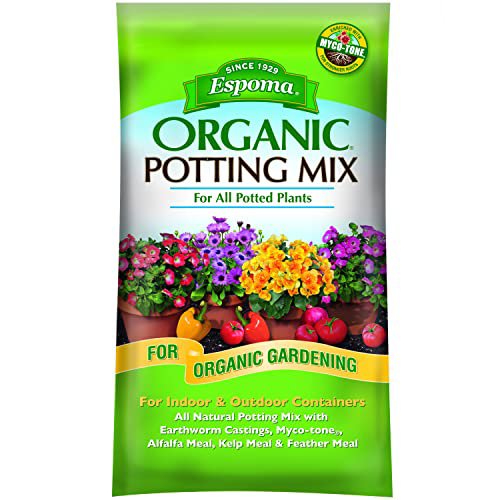
3 If the plant is in a container, repot it into a more porous medium using a high-quality potting mix enriched with perlite to prevent future waterlogging.
error

Nitrogen Deficiency

Fast-growing willow species like Peking Willow have high nutrient demands. A lack of nitrogen prevents the production of chlorophyll, resulting in a uniform yellowing (chlorosis) starting from older leaves.

Very Common
lightbulb
How to confirm: Observe if the yellowing is progressing from the bottom of the tree upward and consider testing soil nitrogen levels.
build How to fix it
shopping_cart Recommended Products
1 Apply a nitrogen-rich organic fertilizer to boost chlorophyll production and green up the foliage.
2 Incorporate organic worm castings into the soil to provide a slow-release source of nitrogen and beneficial microbes.
3 Monitor soil moisture levels to ensure the nitrogen can be effectively absorbed by the root system.
warning

Iron Chlorosis

In high-pH or calcareous soils, Salix matsudana may struggle to uptake iron. This typically manifests as interveinal chlorosis, where leaves turn yellow but the veins remain dark green.

Common
lightbulb
How to confirm: Inspect the leaves for a pattern of bright yellow tissue between prominent green veins.
build How to fix it
shopping_cart Recommended Products
1 Apply an iron supplement to the soil to help the plant overcome nutrient uptake difficulties caused by high pH.
2 Monitor soil pH levels to ensure the environment remains acidic enough for iron availability.
3 Amend the soil with organic matter or acidifying amendments like sulfur to lower the pH and improve nutrient mobility.
warning

Salix Leaf Rust (Melampsora)

Fungal pathogens can infect willow foliage, causing physiological stress. While often marked by orange pustules, the initial stage of infection can cause widespread leaf yellowing and premature drop.

Common
lightbulb
How to confirm: Examine the undersides of the yellow leaves for small, orange or brownish fungal spots.
build How to fix it
shopping_cart Recommended Products
1 Remove and destroy all heavily infected or yellowing leaves to prevent fungal spores from spreading to healthy foliage.
2 Apply an organic fungicide to the affected areas to control the spread of the Melampsoria pathogen.
3 Ensure the plant is in a well-ventilated area and avoid overhead watering to keep the foliage dry, which discourages fungal growth.

Other Salix matsudana problems

Your plant might also be experiencing one of these issues:

local_hospital All symptoms eco All plants with yellow leaves
favorite