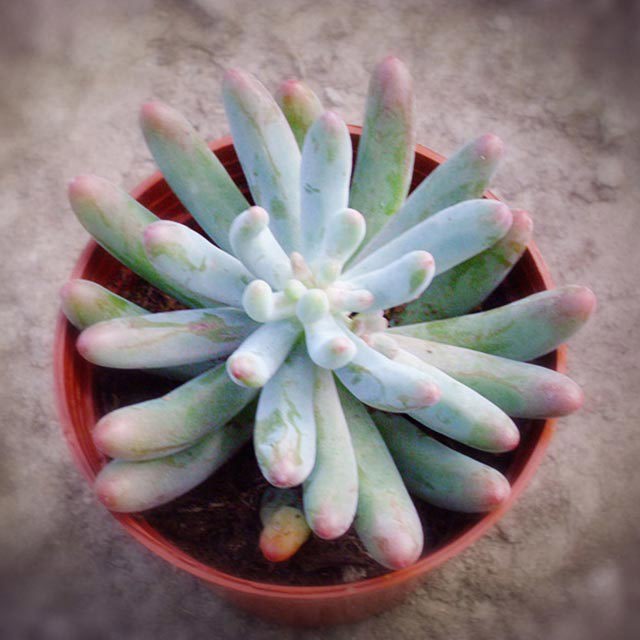
Sedum corynephyllum Yellow Leaves
eco Yellow Leaves

Sedum corynephyllum – Yellow Leaves

Why does your Sedum corynephyllum have yellow leaves? Diagnose the cause and fix it with our step-by-step guide.

search Possible Causes

error

Overwatering and Root Rot

As a succulent, Sedum corynephyllum is highly susceptible to moisture retention in the substrate. Excess water leads to anaerobic conditions that cause root decay, preventing the plant from transporting nutrients and leading to chlorosis.

Very Common
lightbulb
How to confirm: Gently lift the plant from its pot to check if the roots are dark, mushy, or have a foul odor.
build How to fix it
shopping_cart Recommended Products
1 Immediately remove the plant from the current substrate and trim away any mushy, black, or foul-smelling roots using sterilized tools.
2 Repot the Sedum in a well-draining, gritty medium specifically designed for succulents, such as a mix containing perlite or pumice to prevent future water retention.
3 Ensure the new container has excellent drainage and use a moisture meter to monitor the soil, allowing it to dry out completely before the next watering.
warning

Nutrient Deficiency (Nitrogen)

A lack of available nitrogen prevents the synthesis of chlorophyll in the fleshy leaves. In Sedum species, this often manifests as a uniform yellowing starting with older, lower leaves.

Common
lightbulb
How to confirm: Check if the yellowing is progressing from the bottom of the plant upward and consider applying a diluted, balanced succulent fertilizer.
build How to fix it
shopping_cart Recommended Products
1 Apply a nitrogen-rich organic fertilizer to boost chlorophyll production and restore the green color to the leaves.
2 Check the soil moisture levels with a meter to ensure that nitrogen uptake isn't being hindered by overwatering or root stress.
3 Prune away the most severely yellowed lower leaves to prevent potential rot and redirect energy to new growth.
warning

Insufficient Light Exposure

Sedum corynephyllum requires bright light to maintain metabolic processes. Low light levels can reduce photosynthetic efficiency, causing the plant to reabsorb nutrients from older leaves, resulting in yellowing.

Common
lightbulb
How to confirm: Observe if the plant is stretching (etiolation) toward a light source and move it to a brighter location.
build How to fix it
shopping_cart Recommended Products
1 Move your Sedum to a location that receives bright, indirect sunlight or direct sun for several hours a day to restore photosynthetic efficiency.
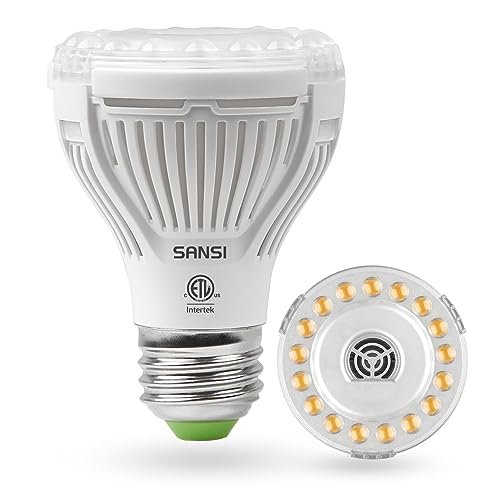
2 Supplement with a full-spectrum grow light to ensure the plant receives adequate light intensity during darker periods.
3 Monitor the soil moisture closely, as insufficient light can slow down evaporation and lead to overwatering, which exacerbates yellowing.
warning

Temperature Stress

Extreme fluctuations or sudden cold snaps can shock the succulent's cells. For this species, temperatures dropping too low can disrupt cellular integrity and cause leaves to lose their green pigment.

Common
lightbulb
How to confirm: Verify if the plant was recently exposed to drafts or nighttime temperatures below 50°F (10°C).
build How to fix it
shopping_cart Recommended Products
1 Move the plant to a stable environment with consistent temperatures, away from cold drafts or sudden temperature fluctuations.
2 Monitor the soil moisture levels closely to ensure the plant is not also suffering from overwatering during this period of stress.
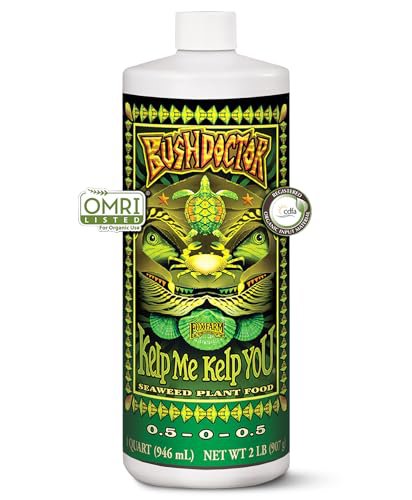
3 If the plant shows signs of recovery, apply a light feeding of seaweed fertilizer to help boost cellular resilience and nutrient uptake.

Other Sedum corynephyllum problems

Your plant might also be experiencing one of these issues:

local_hospital All symptoms eco All plants with yellow leaves
favorite