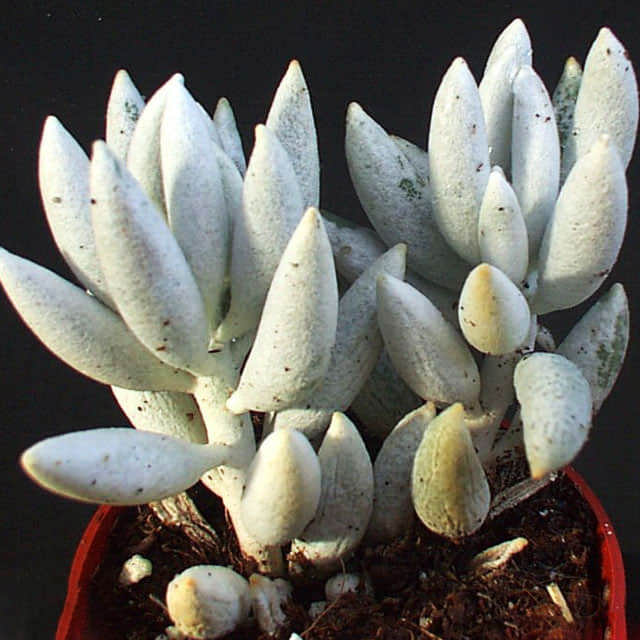
Senecio haworthii Drooping Leaves
eco Drooping Leaves

Senecio haworthii – Drooping Leaves

Why does your Senecio haworthii have drooping leaves? Diagnose the cause and fix it with our step-by-step guide.

search Possible Causes

error

Overwatering and Root Rot

As a succulent, Senecio haworthii is highly susceptible to fungal pathogens like Phytophthora when soil stays damp too long. Excessive moisture causes the root system to decay, making it impossible for the plant to transport water to the leaves, leading to limp, drooping stems.

Very Common
lightbulb
How to confirm: Gently pull a stem to see if it feels mushy or comes away from the base easily, and check if the soil is damp deep below the surface.
build How to fix it
shopping_cart Recommended Products
1 Immediately remove the plant from its current pot and trim away any mushy, black, or foul-smelling decayed roots using sterilized shears.
2 Repot the plant in a well-draining succulent medium, incorporating perlite to improve aeration and prevent future water retention.
3 Use a moisture meter to monitor the soil, ensuring you only water when the substrate is completely dry to the touch.
error

Underwatering / Dehydration

When the water reserves in the fleshy leaves are depleted, the plant loses turgor pressure. While this species is drought-tolerant, prolonged dry periods will cause the 'dolphin' leaves to lose their plumpness and sag.

Very Common
lightbulb
How to confirm: Check if the soil is pulling away from the edges of the pot and feel if the leaves are significantly wrinkled or soft.
build How to fix it
shopping_cart Recommended Products
1 Check the soil moisture level deeply with a probe to confirm the extent of dehydration.
2 Thoroughly soak the soil with water until it drains from the bottom, ensuring the fleshy leaves can reabsorb moisture.
3 Ensure the plant is in a pot with excellent drainage to prevent the roots from sitting in stagnant water after the deep soak.
warning

Temperature Stress (Cold Damage)

Senecio haworthii is a warm-weather succulent; exposure to temperatures below 50°F (10°C) can cause cellular damage. This physiological stress often manifests as a loss of structural integrity and drooping in the foliage.

Common
lightbulb
How to confirm: Observe if the drooping coincided with a recent drop in nighttime temperatures or a cold draft near a window.
build How to fix it
shopping_cart Recommended Products
1 Immediately move the plant to a warmer environment, ensuring temperatures remain consistently above 50°F (10°C) to prevent further cellular damage.
2 Check the soil moisture with a meter to ensure the cold exposure hasn't led to water retention issues; avoid overwatering while the plant is recovering from stress.
3 Apply a diluted dose of liquid seaweed fertilizer to help the plant recover from physiological stress and boost nutrient uptake.
warning

Nutrient Deficiency (Nitrogen)

A lack of essential nutrients, particularly nitrogen, can prevent the plant from maintaining strong cell walls and vigorous growth. This can result in weakened stems that cannot support the weight of the succulent leaves.

Common
lightbulb
How to confirm: Check if the new growth is significantly smaller or paler than the older foliage.
build How to fix it
shopping_cart Recommended Products
1 Apply a nitrogen-rich liquid fertilizer to boost cell wall strength and stem vigor.
2 Check the soil moisture levels with a meter to ensure the drooping isn't actually caused by overwatering.
3 Ensure the plant is receiving adequate bright, indirect light to support nutrient uptake.

Other Senecio haworthii problems

Your plant might also be experiencing one of these issues:

local_hospital All symptoms eco All plants with drooping leaves
favorite