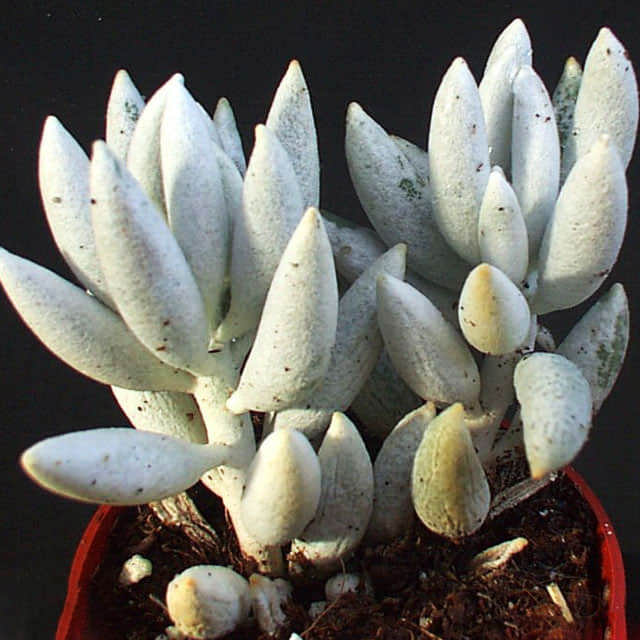
Senecio haworthii Sudden Leaf Drop
eco Sudden Leaf Drop

Senecio haworthii – Sudden Leaf Drop

Why does your Senecio haworthii have sudden leaf drop? Diagnose the cause and fix it with our step-by-step guide.

search Possible Causes

error

Overwatering and Root Rot

As a succulent, Senecio haworthii is highly susceptible to fungal pathogens like Phytophthora when soil remains saturated. Excess moisture suffocates the roots, leading to a systemic collapse and sudden detachment of leaves.

Very Common
lightbulb
How to confirm: Gently tug on a leaf; if it pops off with zero resistance and the stem feels soft, root rot is likely.
build How to fix it
shopping_cart Recommended Products
1 Immediately remove the plant from its current container and inspect the roots for any mushy, black, or foul-smelling decay; prune away all rot using sterilized tools.
2 Repot the plant in a well-draining, gritty substrate specifically designed for succulents to prevent future moisture retention.
3 Use a moisture meter to monitor the soil and ensure you only water when the substrate is completely dry to the touch.
error

Temperature Shock or Cold Stress

This species is sensitive to sudden drops in temperature. Exposure to drafts or temperatures below 50°F (10°C) causes the plant's cells to lose turgor pressure, triggering an emergency leaf shedding response.

Very Common
lightbulb
How to confirm: Check if the plant has recently been placed near a window, air conditioner vent, or exposed to nighttime temperature drops.
build How to fix it
shopping_cart Recommended Products
1 Immediately move the plant to a stable, warm environment away from cold drafts, windows, or air conditioning vents to prevent further cell damage.
2 Monitor the soil moisture closely using a moisture meter to ensure the plant is not being overwatered while in a stressed, non-photosynthesizing state.
3 Avoid applying fertilizer until the plant shows new growth and has stabilized in a warmer temperature range.
warning

Nutrient Deficiency or Soil Depletion

Long-term cultivation in depleted, non-draining soil can lead to a lack of essential micronutrients. When the plant cannot maintain its metabolic functions, it will sacrifice older leaves to preserve the growing tip.

Common
lightbulb
How to confirm: Observe if the leaf drop is starting exclusively from the oldest, bottom-most leaves while new growth remains stable.
build How to fix it
shopping_cart Recommended Products
1 Check the soil moisture levels with a meter to ensure the leaf drop isn't actually caused by overwatering or root rot.
2 Repot the plant in a fresh, well-draining succulent mix amended with perlite to improve aeration and prevent further depletion.
3 Apply a diluted liquid seaweed fertilizer to provide essential micronutrients and boost metabolic recovery.
warning

Pest Infestation (Mealybugs or Scale)

Sap-sucking pests can weaken the 'String of Dolphins' by draining the moisture and nutrients from the fleshy leaves. Severe infestations disrupt the plant's water regulation, causing leaves to dry up and fall.

Common
lightbulb
How to confirm: Inspect the crevices between the 'dolphin' shapes for small, white cottony masses or hard, brown bumps.
build How to fix it
shopping_cart Recommended Products
1 Inspect the crevices of the fleshy leaves and stems for white, cottony masses (mealybugs) or small, hard bumps (scale).
2 Treat the infestation by spraying the plant with an organic insecticide/fungicide to eliminate pests and protect healthy tissue.
3 Isolate the plant from others to prevent the spread of pests and monitor soil moisture with a meter to ensure overwatering isn't compounding the stress.

Other Senecio haworthii problems

Your plant might also be experiencing one of these issues:

local_hospital All symptoms eco All plants with sudden leaf drop
favorite