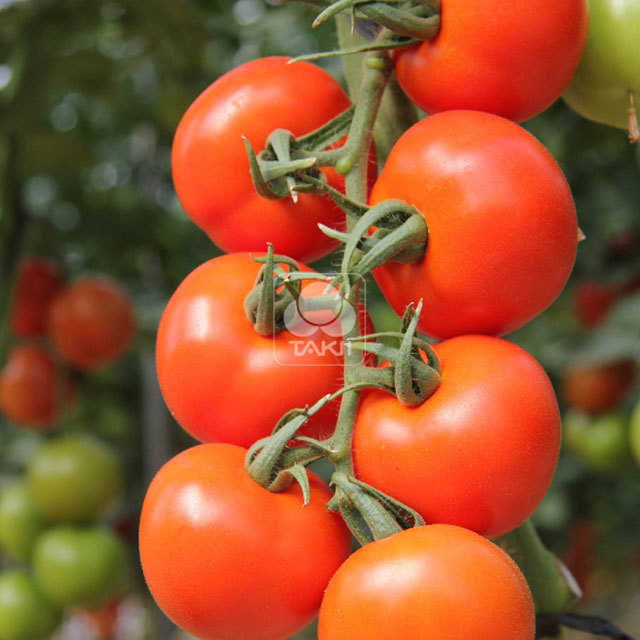
Solanum lycopersicum Takumi F1 Sudden Leaf Drop
eco Sudden Leaf Drop

Solanum lycopersicum Takumi F1 – Sudden Leaf Drop

Why does your Solanum lycopersicum Takumi F1 have sudden leaf drop? Diagnose the cause and fix it with our step-by-step guide.

search Possible Causes

error

Fusarium Wilt (Fusarium oxysporum f. sp. lycopersici)

This soil-borne fungus invades the vascular system of the Takumi tomato, blocking water transport. It typically causes progressive yellowing and sudden wilting/dropping of lower leaves.

Very Common
lightbulb
How to confirm: Cut a small section of the stem near the base to check for reddish-brown discoloration in the vascular ring.
build How to fix it
shopping_cart Recommended Products
1 Immediately remove and destroy the infected plant and all surrounding debris to prevent the soil-borne fungus from spreading to healthy plants.
2 Sterilize all gardening tools, such as your pruning shears, with alcohol or a bleach solution to avoid cross-contamination.
3 Avoid planting tomatoes or related nightshades in this soil for at least 2-3 years, and consider amending the area with organic matter like worm castings to improve soil health.
error

Environmental Stress (Temperature Fluctuations)

Extreme heat or sudden cold snaps can trigger a stress response in Takumi tomatoes, causing the plant to shed leaves to conserve moisture. Rapid changes in night temperatures are particularly disruptive.

Very Common
lightbulb
How to confirm: Review recent weather logs for temperature swings outside the ideal 18-27°C (65-80°F) range.
build How to fix it
shopping_cart Recommended Products
1 Stabilize the plant's environment by moving it to a sheltered location or using a greenhouse/cloche to protect it from further temperature swings.
2 Apply a microbial-based fertilizer to help the plant recover from environmental stress and strengthen the root zone.
3 Mulch the soil surface with organic matter to insulate the root system against temperature fluctuations.
error

Water Stress (Root Hypoxia or Drought)

Inconsistent watering leads to physiological shock. Either saturated soil causes root rot, preventing water uptake, or severe drought forces the plant to drop leaves to reduce transpiration.

Very Common
lightbulb
How to confirm: Check the moisture level 2 inches below the soil surface and inspect roots for any dark, slimy texture.
build How to fix it
shopping_cart Recommended Products
1 Check the soil moisture level immediately using a moisture meter to determine if the soil is waterlogged or bone dry.
2 If the soil is saturated, repot the tomato in a well-draining medium amended with perlite to prevent root rot and hypoxia.
3 If the soil is dry, implement a consistent watering schedule and use a watering can with a precision nozzle to ensure even hydration.
warning

Bacterial Wilt (Ralstonia solanacearum)

This pathogen causes a very rapid collapse of the plant tissue. Unlike fungal wilts, leaf drop and wilting can occur almost overnight even when soil moisture is adequate.

Common
lightbulb
How to confirm: Cut a wilted stem and place it in a glass of clear water to see if milky bacterial ooze emerges.
build How to fix it
shopping_cart Recommended Products
1 Immediately remove and destroy the infected plant and all surrounding debris to prevent the bacteria from spreading to healthy plants via soil or water.
2 Sterilize all gardening tools, such as pruning shears, with alcohol or a bleach solution to avoid cross-contamination.
3 Avoid planting Solanaceous crops (tomatoes, peppers, potatoes) in this area for at least two years, and consider amending the soil with organic matter to improve health.

Other Solanum lycopersicum Takumi F1 problems

Your plant might also be experiencing one of these issues:

local_hospital All symptoms eco All plants with sudden leaf drop
favorite