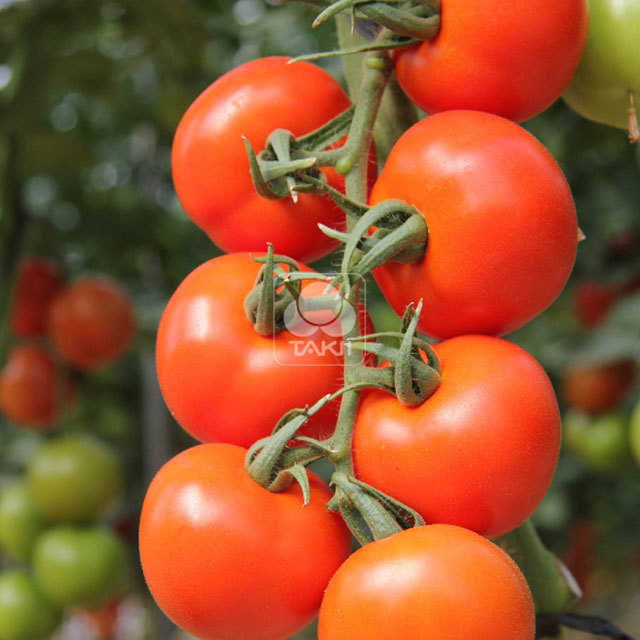
Solanum lycopersicum Takumi F1 Yellow Leaves
eco Yellow Leaves

Solanum lycopersicum Takumi F1 – Yellow Leaves

Why does your Solanum lycopersicum Takumi F1 have yellow leaves? Diagnose the cause and fix it with our step-by-step guide.

search Possible Causes

error

Nitrogen Deficiency

In tomato varieties like Takumi F1, nitrogen deficiency typically manifests as chlorosis (yellowing) starting on the older, bottom leaves as the plant mobilizes nitrogen to newer growth. This prevents the development of necessary chlorophyll for photosynthesis.

Very Common
lightbulb
How to confirm: Observe if the yellowing pattern moves progressively from the oldest bottom leaves toward the top of the plant.
build How to fix it
shopping_cart Recommended Products
1 Apply a nitrogen-rich liquid fertilizer to provide immediate nutrient uptake for the tomato plant.
2 Supplement the soil with an organic nitrogen source like blood meal to ensure long-term nutrient availability.
3 Monitor soil moisture levels using a moisture meter to ensure the plant can effectively absorb the newly applied nutrients.
error

Overwatering and Root Hypoxia

Excessive soil moisture reduces oxygen availability to the roots, causing a breakdown in nutrient transport which leads to uniform yellowing of leaves. This is common in indeterminate hybrids if drainage is poor.

Very Common
lightbulb
How to confirm: Insert your finger 2 inches into the soil to check if it remains saturated for extended periods.
build How to fix it
shopping_cart Recommended Products
1 Immediately reduce watering frequency and allow the top inch of soil to dry out completely before watering again to restore oxygen to the root zone.
2 Check the drainage of your current container; if water is pooling, repot the tomato plant into a container with superior drainage and a well-aerated medium like a mix containing perlite.
3 Ensure the plant is not sitting in a saucer of stagnant water; use a drainage tray to catch excess moisture without allowing the pot to soak.
warning

Magnesium Deficiency

Magnesium is a mobile element; when deficient, Takumi F1 will show interveinal chlorosis (yellowing between green veins) on older leaves. This is often caused by an imbalance in soil pH or high potassium levels.

Common
lightbulb
How to confirm: Check if the leaf veins remain dark green while the tissue between them turns bright yellow.
build How to fix it
shopping_cart Recommended Products
1 Apply a magnesium supplement to the soil to quickly address the interveinal chlorosis.
2 Check the soil pH to ensure it is within the optimal range (5.6 to 6.8) for magnesium uptake.
3 Monitor the soil moisture levels to ensure consistent hydration, as extreme wet or dry cycles can interfere with nutrient absorption.
warning

Early Blight (Alternaria solani)

This fungal pathogen causes concentric dark spots on leaves, which eventually leads to widespread yellowing and leaf drop in tomato plants. It thrives in humid conditions and often starts on lower foliage.

Common
lightbulb
How to confirm: Inspect the yellowed areas for small, dark, circular spots with a 'target-like' ring pattern.
build How to fix it
shopping_cart Recommended Products
1 Remove and destroy all infected lower leaves to prevent the fungal spores from spreading to the rest of the plant.
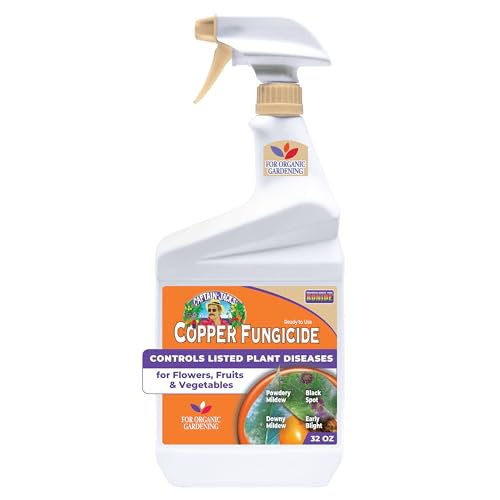
2 Apply an organic fungicide to protect healthy foliage from further infection.
3 Improve air circulation around the plant and avoid overhead watering to reduce the humidity that promotes blight.

Other Solanum lycopersicum Takumi F1 problems

Your plant might also be experiencing one of these issues:

local_hospital All symptoms eco All plants with yellow leaves
favorite