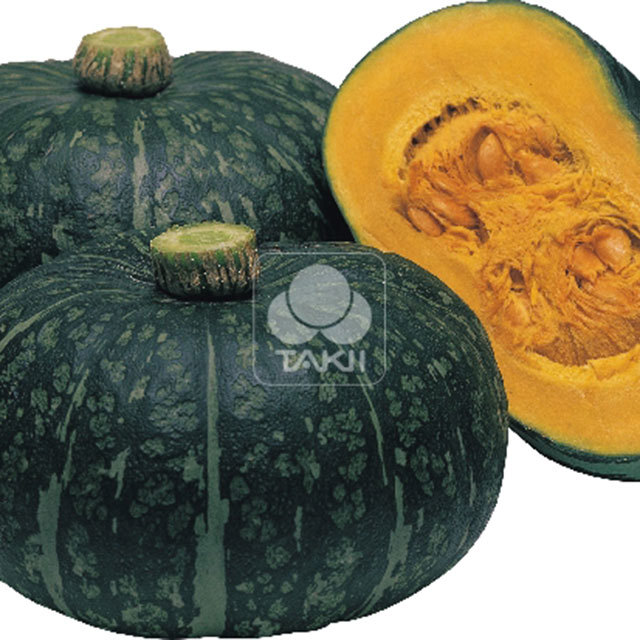
Squash Delica F1 Sticky Leaves
eco Sticky Leaves

Squash Delica F1 – Sticky Leaves

Why does your Squash Delica F1 have sticky leaves? Diagnose the cause and fix it with our step-by-step guide.

pets Pet Friendly

search Possible Causes

error

Aphid Infestation

Aphids are small, soft-bodied insects that pierce the squash tissue to suck sap, excreting a sugary liquid called 'honeydew' which creates the sticky residue. This is highly common in Delica squash as they prefer tender new growth.

Very Common
lightbulb
How to confirm: Inspect the undersides of young leaves and stems for tiny, pear-shaped green or black insects.
build How to fix it
shopping_cart Recommended Products
1 Apply an organic insecticide to eliminate the aphid population and stop the production of honeydew.
2 Wash the sticky residue off the leaves using a firm stream of water or a mild insecticidal soap spray to prevent fungal growth.
3 Monitor the plant's moisture levels to ensure the squash remains healthy and resilient against further pest stress.
error

Whitefly Infestation

Whiteflies congregate on the underside of squash leaves and excrete honeydew, leading to a sticky coating. As the infestation progresses, you may notice a fine white powder-like appearance on the leaf surface.

Very Common
lightbulb
How to confirm: Gently tap the plant to see if tiny white insects flutter upward into the air.
build How to fix it
shopping_cart Recommended Products
1 Apply an organic insecticide to eliminate the whitefly population and stop the production of honeydew.
2 Deploy yellow sticky traps around the plant to capture adult whiteflies and prevent further reproduction.
3 Wipe the sticky leaves with a damp cloth to remove the honeydew residue and prevent fungal growth.
warning

Scale Insects

Scale insects attach themselves to the stems and leaves of Delica squash, feeding on phloem sap and leaving behind sticky honeydew. Unlike aphids, these pests often look like small, stationary bumps or shells.

Common
lightbulb
How to confirm: Check for hard, immobile bumps on the stems that do not move when disturbed.
build How to fix it
shopping_cart Recommended Products
1 Apply an organic insecticide spray to the plant to eliminate the scale insects and their eggs.
2 Wipe the sticky leaves and stems with a damp cloth to remove the honeydew residue and prevent fungal growth.
3 Inspect the undersides of leaves and stems for any remaining stationary bumps to ensure the infestation is cleared.
warning

Sooty Mold Development

While not the primary cause of stickiness, sooty mold is a black fungus that grows specifically on the honeydew left by sap-sucking insects. The stickiness is actually the byproduct of the insect pests, while the black film is the fungal symptom.

Common
lightbulb
How to confirm: Look for a black, velvety coating covering the sticky areas of the leaves.
build How to fix it
shopping_cart Recommended Products
1 Identify and eliminate sap-sucking insects like aphids or whiteflies by applying an organic insecticide spray.
2 Gently wash the black sooty mold film off the leaves using a soft cloth or a controlled spray of water to restore photosynthesis.
3 Monitor soil moisture levels to ensure the plant is not under stress, which can make it more susceptible to pest infestations.

Other Squash Delica F1 problems

Your plant might also be experiencing one of these issues:

local_hospital All symptoms eco All plants with sticky leaves
favorite