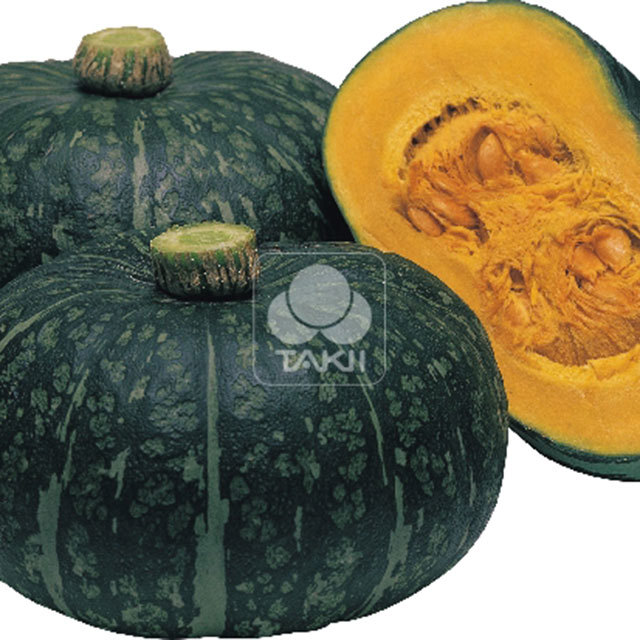
Squash Delica F1 Sudden Leaf Drop
eco Sudden Leaf Drop

Squash Delica F1 – Sudden Leaf Drop

Why does your Squash Delica F1 have sudden leaf drop? Diagnose the cause and fix it with our step-by-step guide.

pets Pet Friendly

search Possible Causes

error

Downy Mildaw (Peronospora cubensis)

This oomycete pathogen causes angular, chlorotic lesions on the upper leaf surface, which can lead to rapid necrosis and premature leaf abscission in Delica squash. High humidity and cool temperatures often trigger sudden defoliation across the plant.

Very Common
lightbulb
How to confirm: Look for yellow, angular patches on the top of leaves accompanied by grey/purplish fuzzy growth on the undersides.
build How to fix it
shopping_cart Recommended Products
1 Immediately apply an organic fungicide to control the spread of the pathogen and protect remaining healthy foliage.
2 Prune and carefully dispose of all infected, necrotic, or dropped leaves to reduce the pathogen load in the garden.
3 Improve air circulation around the squash plants and avoid overhead watering to lower humidity levels around the leaves.
error

Water Stress (Extreme Drought or Waterlogging)

Squash Delica F1 requires consistent soil moisture to maintain turgor pressure; sudden lack of water or saturated roots can trigger a stress response where the plant sheds leaves to reduce transpiration. Rapid fluctuations in soil moisture are particularly damaging to cucurbit leaf retention.

Very Common
lightbulb
How to confirm: Check if the soil is bone-dry or if there is standing water around the base of the stem.
build How to fix it
shopping_cart Recommended Products
1 Check the soil moisture level immediately using a moisture meter to determine if the soil is bone-dry or completely saturated.
2 If the soil is waterlogged, improve drainage by adding horticultural perlite to the soil mix to prevent root rot.
3 If the soil is extremely dry, apply a consistent watering schedule to stabilize moisture levels and prevent further leaf drop.
warning

Bacterial Wilt (Erwinia tracheiphila)

This bacterium clogs the xylem vessels of the squash plant, preventing water transport to the foliage. This results in a sudden wilting of leaves followed by rapid dropping as the vascular system fails.

Common
lightbulb
How to confirm: Cut a wilted stem and place it in a clear glass of water to see if a milky bacterial ooze emerges.
build How to fix it
shopping_cart Recommended Products
1 Immediately remove and destroy all infected plant material and debris to prevent the bacteria from spreading to healthy squash plants in your garden.
2 Sterilize all pruning tools, such as your shears, with a 10% bleach solution or alcohol after every use to avoid mechanical transmission of the bacteria.
3 Improve garden hygiene and reduce moisture stress by ensuring proper spacing for airflow and using organic insect control to manage flea beetles, which are primary vectors for the disease.
warning

Nutrient Deficiency (Nitrogen/Magnesium)

A sudden lack of mobile nutrients like Nitrogen or Magnesium can cause older leaves to yellow and drop as the plant reallocates resources to new growth. This is common in Delica squash if the soil has been heavily depleted by previous crops.

Common
lightbulb
How to confirm: Inspect if the yellowing (chlorosis) started on the older, bottom leaves before moving upward.
build How to fix it
shopping_cart Recommended Products
1 Apply a nitrogen-rich organic fertilizer to replenish the soil and stop the reallocation of nutrients from older leaves.
2 Supplement with a magnesium-rich fertilizer to address potential magnesium deficiencies and support chlorophyll production.
3 Check the soil moisture levels using a moisture meter to ensure that nutrient uptake is not being hindered by overwatering or underwatering.

Other Squash Delica F1 problems

Your plant might also be experiencing one of these issues:

local_hospital All symptoms eco All plants with sudden leaf drop
favorite