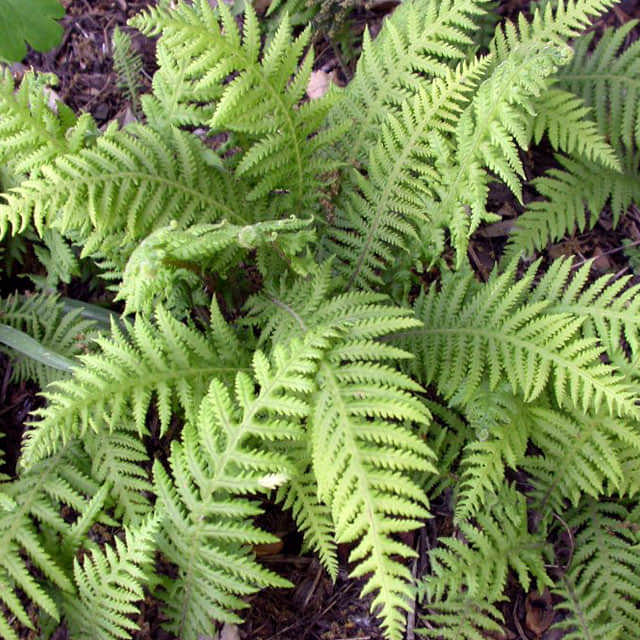
Thelypteris decursive-pinnata Brown Leaf Tips
eco Brown Leaf Tips

Thelypteris decursive-pinnata – Brown Leaf Tips

Why does your Thelypteris decursive-pinnata have brown leaf tips? Diagnose the cause and fix it with our step-by-step guide.

pets Pet Friendly

search Possible Causes

error

Low Humidity/Dry Air

As a marsh fern, Thelypteris decursive-pinnata requires high ambient humidity to maintain frond turgidity. Dry air causes the delicate edges of the pinnae to desiccate and turn brown before the rest of the leaf.

Very Common
lightbulb
How to confirm: Check if the browning occurs primarily when indoor heating is active or during periods of low seasonal humidity.
build How to fix it
shopping_cart Recommended Products
1 Increase ambient humidity around the fern by using a pebble tray or a humidifier to prevent further desiccation of the frond edges.
2 Gently mist the foliage with a fine spray to provide immediate moisture to the delicate pinnae.
3 Prune away the most severely browned leaf tips using sterilized shears to prevent the spread of dry tissue.
error

Salt Accumulation (Fertilizer Burn)

Accumulated mineral salts from tap water or over-fertilization can concentrate at the leaf margins. This osmotic stress draws moisture out of the leaf tips, leading to necrotic brown edges.

Very Common
lightbulb
How to confirm: Inspect the soil surface for a white, crusty mineral buildup and try flushing the pot with distilled water.
build How to fix it
shopping_cart Recommended Products
1 Flush the soil thoroughly with distilled or rainwater to leach out accumulated mineral salts from the potting medium.
2 Prune the necrotic brown leaf tips using sterilized scissors to prevent further aesthetic decline and stop the spread of salt stress.
3 Transition to using a high-quality, low-salt fertilizer and monitor soil moisture levels using an analog meter to prevent future over-fertilization.
warning

Inconsistent Soil Moisture

While this species thrives in wet conditions, allowing the rhizome/root system to dry out completely between waterings causes rapid cellular collapse at the tips of the fronds.

Common
lightbulb
How to confirm: Stick your finger into the substrate to see if the soil is drying out much faster than the typical 'consistently moist' requirement for marsh ferns.
build How to fix it
shopping_cart Recommended Products
1 Monitor soil moisture levels closely using an analog meter to ensure the substrate remains consistently damp and never reaches a bone-dry state.
2 Implement a more frequent watering schedule and consider using a self-watering system or moisture-retaining substrate to prevent the rhizome from drying out.
3 Prune away the dead, brown leaf tips with sterilized shears to prevent further aesthetic decline and maintain plant hygiene.
warning

Water Quality (Chlorine/Fluoride Sensitivity)

Ferns are highly sensitive to the chemical constituents in municipal water. Chlorine or fluoride buildup in the frond tissues can manifest as necrotic tip burn.

Common
lightbulb
How to confirm: Try using rainwater or de-chlorinated water for one week to see if new growth emerges without browning.
build How to fix it
shopping_cart Recommended Products
1 Switch to distilled, rainwater, or filtered water to prevent further accumulation of chlorine and fluoride in the fern's tissues.
2 Use a moisture meter to ensure the soil remains consistently moist but not waterlogged, as consistent hydration helps dilute chemical buildup.
3 Prune away the dead, brown leaf tips using sterilized shears to improve the plant's aesthetic and prevent further decay.

Other Thelypteris decursive-pinnata problems

Your plant might also be experiencing one of these issues:

local_hospital All symptoms eco All plants with brown leaf tips
favorite