Thelypteris decursive-pinnata Yellow Leaves
eco Yellow Leaves

Thelypteris decursive-pinnata – Yellow Leaves

Why does your Thelypteris decursive-pinnata have yellow leaves? Diagnose the cause and fix it with our step-by-step guide.

pets Pet Friendly

search Possible Causes

error

Improper Hydration (Drought Stress)

As a Marsh Fern, Thelypteris decurrens requires consistently high moisture levels. When the substrate dries out too much, the fronds lose turgor and chlorophyll degrades, resulting in yellowing.

Very Common
lightbulb
How to confirm: Check if the rhizome/soil area feels dry to the touch or if the soil surface is cracked.
build How to fix it
shopping_cart Recommended Products
1 Immediately increase soil moisture by thoroughly soaking the substrate, ensuring the root ball is completely saturated.
2 Monitor soil moisture levels closely using an analog meter to ensure the substrate remains consistently damp and does not reach drought conditions.
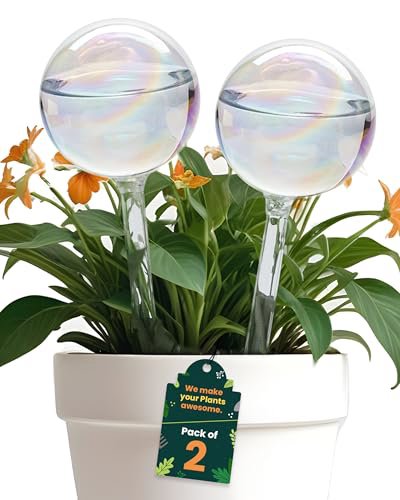
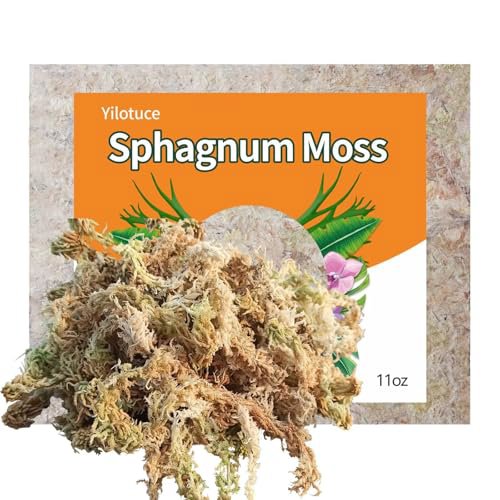
3 Consider using a self-watering system or moisture-retaining amendments like sphagnum moss to maintain the high humidity and hydration this fern requires.
error

Nutrient Deficiency (Nitrogen or Magnesium)

In high-moisture environments, rapid growth can deplete nitrogen or magnesium from the substrate. This causes chlorosis, typically starting with older fronds turning pale yellow.

Very Common
lightbulb
How to confirm: Observe if the yellowing is progressing from the base of the oldest fronds toward the tips.
build How to fix it
shopping_cart Recommended Products
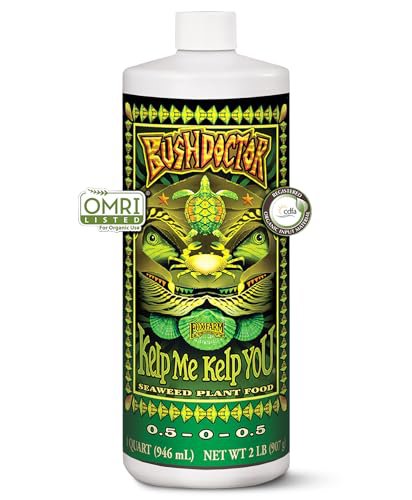
1 Apply a liquid seaweed fertilizer to provide a quick boost of essential micronutrients like magnesium and nitrogen.
2 Supplement the soil with a balanced organic fertilizer to replenish nitrogen levels and support new frond development.
3 Monitor the soil moisture levels regularly using an analog meter to ensure the substrate remains damp but not waterlogged, preventing nutrient leaching.
warning

Root Hypoxia (Overwatering/Poor Drainage)

While this species loves moisture, stagnant water without oxygen can cause root rot. This prevents the fern from absorbing nutrients, leading to systemic yellowing of the pinnae.

Common
lightbulb
How to confirm: Gently lift the fern to check if the roots are dark brown or slimy rather than firm and light-colored.
build How to fix it
shopping_cart Recommended Products
1 Check the soil moisture level immediately using a moisture meter to confirm if the substrate is waterlogged.
2 Repot the fern in a well-draining, airy medium like a mix of peat and perlite to improve oxygen access to the roots.
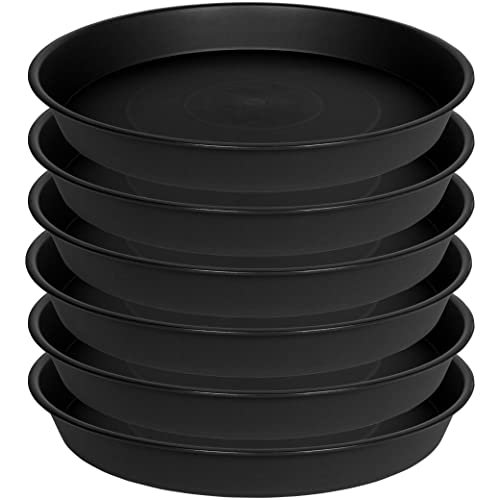
3 Ensure the plant is in a container with excellent drainage and use a saucer to prevent water from sitting stagnant around the base.
warning

Light Intensity Stress (Photo-oxidation)

Thelypteris species are adapted to shaded, swampy understories. Excessive direct sunlight can bleach the chlorophyll in the fronds, causing them to turn yellow or even white.

Common
lightbulb
How to confirm: Check if the yellowing is accompanied by scorched, crispy edges on the side of the plant facing the light source.
build How to fix it
shopping_cart Recommended Products
1 Move the fern to a more shaded location or a spot with filtered, indirect light to prevent further chlorophyll bleaching.
2 If the plant is in a low-light area, supplement with a gentle grow light to maintain health without causing heat stress.
3 Monitor the soil moisture closely, as light stress often coincides with faster evaporation in brighter spots.

Other Thelypteris decursive-pinnata problems

Your plant might also be experiencing one of these issues:

local_hospital All symptoms eco All plants with yellow leaves
favorite