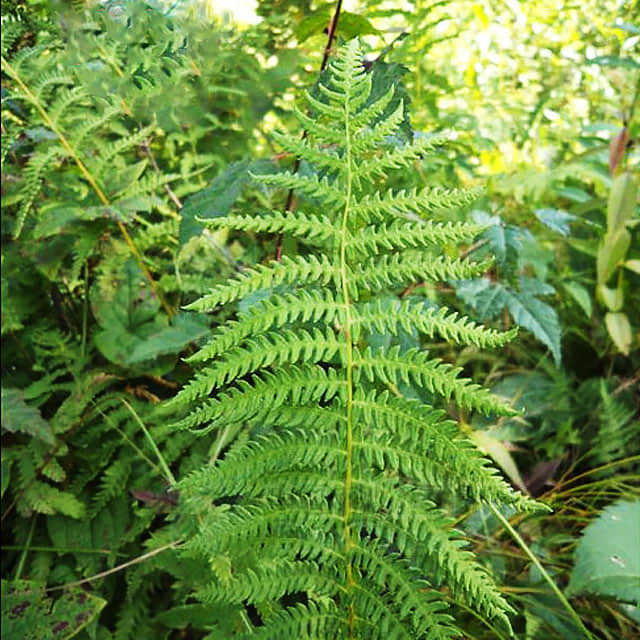
Thelypteris palustris Yellow Leaves
eco Yellow Leaves

Thelypteris palustris – Yellow Leaves

Why does your Thelypteris palustris have yellow leaves? Diagnose the cause and fix it with our step-by-step guide.

pets Pet Friendly

search Possible Causes

error

Drought Stress

As a marsh fern, Thelypteris palustris requires consistently high soil moisture. If the substrate dries out even briefly, the fronds will lose chlorophyll and turn yellow to conserve water.

Very Common
lightbulb
How to confirm: Check if the growing medium feels dry to the touch or if there is a significant gap between watering sessions.
build How to fix it
shopping_cart Recommended Products
1 Immediately increase watering frequency to ensure the substrate remains consistently damp, mimicking its natural marsh habitat.
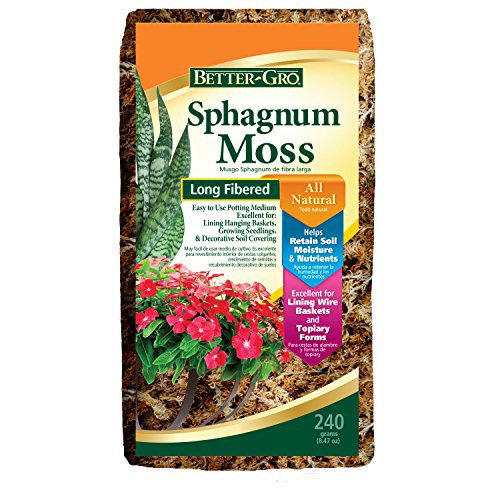
2 Apply a layer of sphagnum moss around the base of the plant to help retain moisture and prevent the soil from drying out too quickly.
3 Consider using a self-watering system or moisture-retaining pebbles to provide a steady supply of water to the roots.
error

Nutrient Deficiency (Nitrogen)

Yellowing of older fronds often indicates a lack of nitrogen, which is essential for chlorophyll production in wetland ferns. In containerized settings, the limited substrate volume can lead to rapid nutrient depletion.

Very Common
lightbulb
How to confirm: Observe if the yellowing starts on the oldest, lowest fronds first before moving to new growth.
build How to fix it
shopping_cart Recommended Products
1 Apply a nitrogen-rich organic fertilizer to boost chlorophyll production and green up the older fronds.
2 Supplement the soil with organic worm castings to provide a slow-release source of nitrogen and beneficial microbes.
3 Ensure the plant is in a container with adequate substrate volume and moisture retention to prevent rapid nutrient depletion.
warning

Improper Light Intensity

While they enjoy bright light, extreme direct afternoon sun can cause photo-oxidation, leading to chlorosis (yellowing) or bleaching of the delicate pinnae.

Common
lightbulb
How to confirm: Check if the yellowing is accompanied by scorched, crispy edges on fronds exposed to direct light.
build How to fix it
shopping_cart Recommended Products
1 Move your Marsh Fern to a location with bright, indirect light, ensuring it is shielded from harsh, direct afternoon sun to prevent further leaf bleaching.
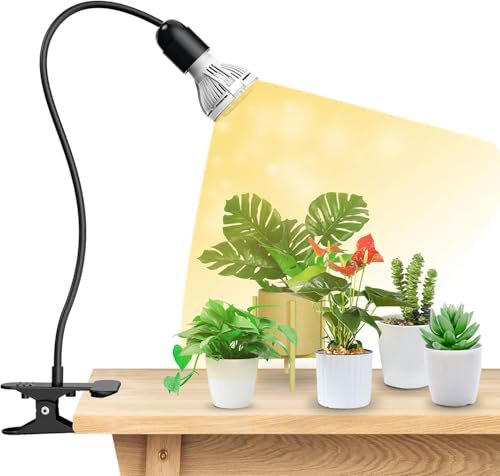
2 If the plant is in a low-light area, supplement with a full-spectrum grow light to provide consistent energy without the heat of direct sunlight.
3 Monitor the soil moisture levels closely, as light changes can affect evaporation rates; use a moisture meter to ensure the substrate remains consistently damp.
warning

Root Hypoxia (Waterlogging)

While this species loves moisture, stagnant, oxygen-depleted water can lead to root suffocation. This prevents the roots from transporting nutrients, resulting in systemic yellowing.

Common
lightbulb
How to confirm: Inspect if the water in the pot or habitat is stagnant and lacks any movement or aeration.
build How to fix it
shopping_cart Recommended Products
1 Improve soil aeration by mixing in horticultural perlite to prevent water stagnation and allow oxygen to reach the roots.
2 Ensure the plant is in a container with excellent drainage and use a moisture meter to monitor levels, preventing the soil from remaining saturated for too long.
3 Repot the fern in a well-draining, high-porosity medium like a mix of peat and perlite to restore root function.

Other Thelypteris palustris problems

Your plant might also be experiencing one of these issues:

local_hospital All symptoms eco All plants with yellow leaves
favorite