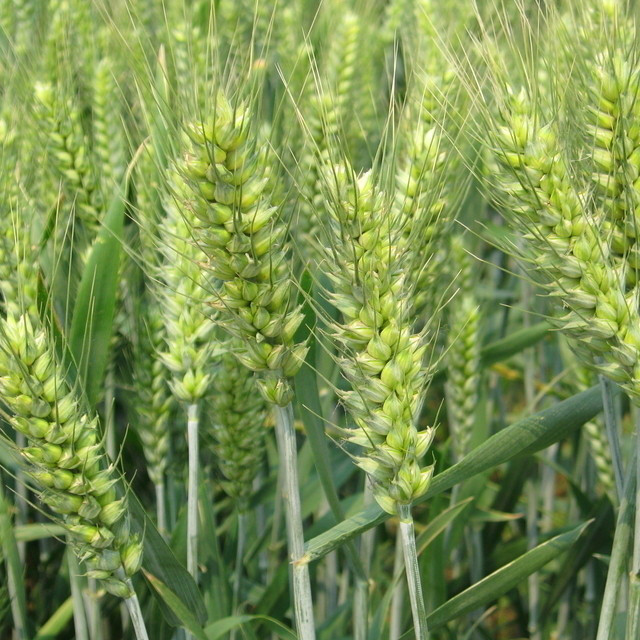
Why does your Triticum aestivum have white cottony spots? Diagnose the cause and fix it with our step-by-step guide.
This fungal pathogen thrives in high humidity and moderate temperatures, producing visible white, talcum-like mycelium on leaves and stems. It can significantly reduce photosynthetic area and grain filling in wheat.
While rust typically presents as pustules, very early stages of certain rust types or secondary fungal growths can appear fuzzy. However, the distinct white color is more characteristic of mildew than rust.
Though less common in wheat than in other crops, this pathogen produces a white, cottony mycelium that can envelop stems and heads. It is particularly devastating if the plant tissue turns necrotic/mushy.

 English
 Italiano