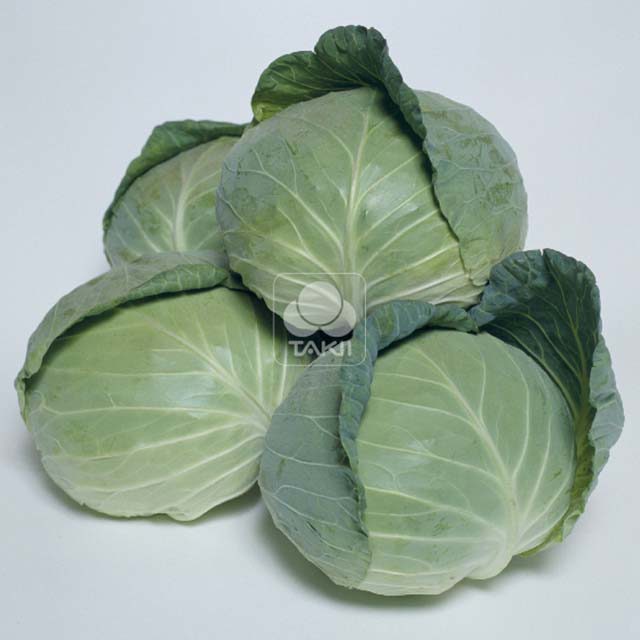
White Cabbage Compass F1 Brown Leaf Tips
eco Brown Leaf Tips

White Cabbage Compass F1 – Brown Leaf Tips

Why does your White Cabbage Compass F1 have brown leaf tips? Diagnose the cause and fix it with our step-by-step guide.

search Possible Causes

error

Salt Accumulation (Salinity Stress)

High concentrations of nitrogen fertilizers or mineral salts in the soil migrate to the leaf margins and tips, causing localized tissue necrosis. This is common in Brassicas like White Cabbage when irrigation water has high EC levels.

Very Common
lightbulb
How to confirm: Check if you have recently applied high-nitrogen fertilizer or if your irrigation water is hard/mineral-rich.
build How to fix it
shopping_cart Recommended Products
1 Flush the soil thoroughly with large amounts of fresh, low-mineral water to leach out accumulated mineral salts and nitrogen residues.
2 Monitor soil moisture levels closely to ensure the soil remains well-aerated and does not become waterlogged during the flushing process.
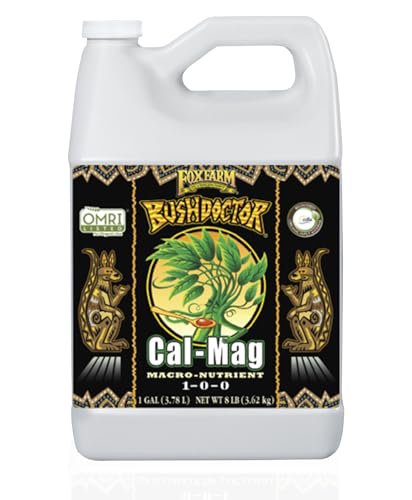
3 Transition to a more diluted fertilization schedule and consider adding organic amendments like worm castings to improve soil structure and buffer salinity.
error

Calcium Deficiency (Tip Burn)

Calcium is immobile in cabbage plants; during periods of rapid growth, lack of calcium transport to the growing points leads to cell wall collapse at the leaf tips. This often occurs even if calcium is present in the soil but unavailable due to moisture fluctuations.

Very Common
lightbulb
How to confirm: Observe if the browning is most prominent in the youngest, emerging inner leaves of the cabbage head.
build How to fix it
shopping_cart Recommended Products
1 Apply a calcium supplement to the soil to immediately address the deficiency and strengthen cell walls.
2 Maintain consistent soil moisture levels to ensure calcium can be transported through the plant, as fluctuations prevent nutrient uptake.
3 Amend the soil with organic matter like worm castings to improve nutrient availability and soil structure.
warning

Moisture Stress (Erratic Watering)

Fluctuations between drought conditions and saturation cause physiological stress that disrupts nutrient transport. In White Cabbage, this results in the dehydration of peripheral leaf tissues first.

Common
lightbulb
How to confirm: Monitor soil moisture levels to ensure they remain consistent and do not undergo extreme drying/wetting cycles.
build How to fix it
shopping_cart Recommended Products
1 Stabilize the watering schedule to ensure consistent soil moisture, avoiding the cycle of complete drying and saturation.
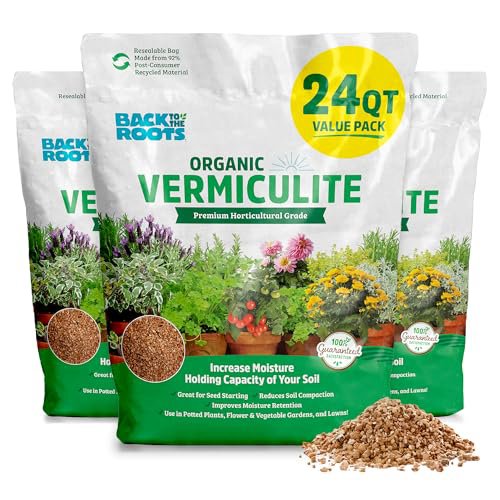
2 Apply a mulch layer or use a moisture-retaining substrate like vermiculite to help buffer soil moisture levels.
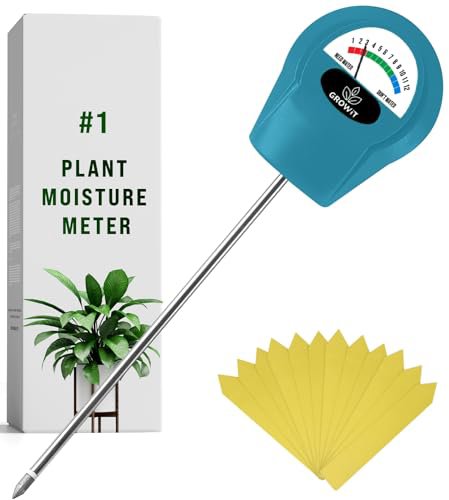
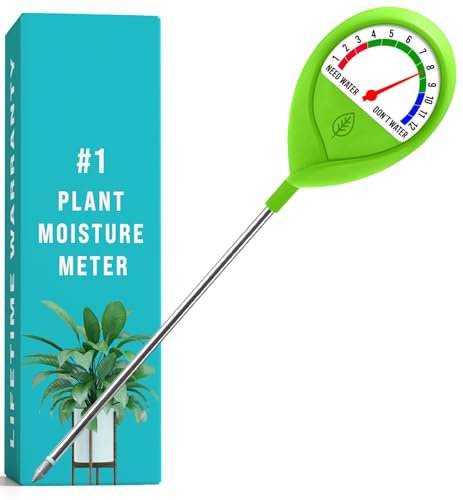
3 Check the soil depth with a moisture meter to ensure water is reaching the root zone without pooling at the surface.
warning

Bacterial Leaf Spot (Xanthomonas campestris)

While typically presenting as water-soaked spots, advanced stages of bacterial infection can lead to necrotic, brown tissue at the leaf edges. This pathogen specifically targets the vascular structure of Brassica species.

Common
lightbulb
How to confirm: Inspect the underside of the leaves for small, dark, angular lesions or a yellowish halo around the brown areas.
build How to fix it
shopping_cart Recommended Products
1 Remove and destroy all heavily infected leaves to prevent the bacteria from spreading to healthy plant tissue.
2 Apply an organic copper-based fungicide to the remaining healthy foliage to control the spread of the bacterial pathogen.
3 Ensure proper spacing between plants to improve airflow and reduce the humidity that favors bacterial growth.

Other White Cabbage Compass F1 problems

Your plant might also be experiencing one of these issues:

local_hospital All symptoms eco All plants with brown leaf tips
favorite