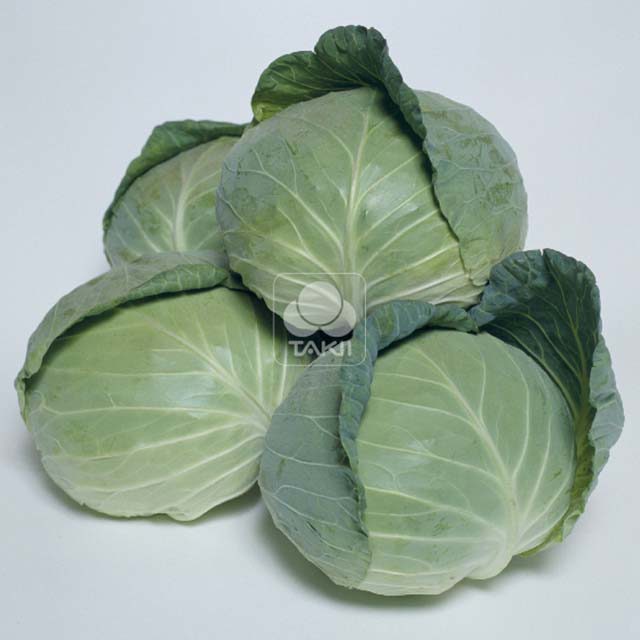
White Cabbage Compass F1 Drooping Leaves
eco Drooping Leaves

White Cabbage Compass F1 – Drooping Leaves

Why does your White Cabbage Compass F1 have drooping leaves? Diagnose the cause and fix it with our step-by-step guide.

search Possible Causes

error

Water Stress (Underwatering)

Cabbages have large leaf surface areas that lose moisture rapidly through transpiration. When soil moisture is insufficient, the plant loses turgor pressure, causing the leaves to wilt or droop.

Very Common
lightbulb
How to confirm: Check the moisture level of the soil 2 inches below the surface; if it feels bone dry, the plant needs immediate watering.
build How to fix it
shopping_cart Recommended Products
1 Immediately check the soil moisture level at the root zone to confirm the severity of the dehydration.
2 Apply a deep, thorough watering to the base of the plant to restore turgor pressure to the leaves.
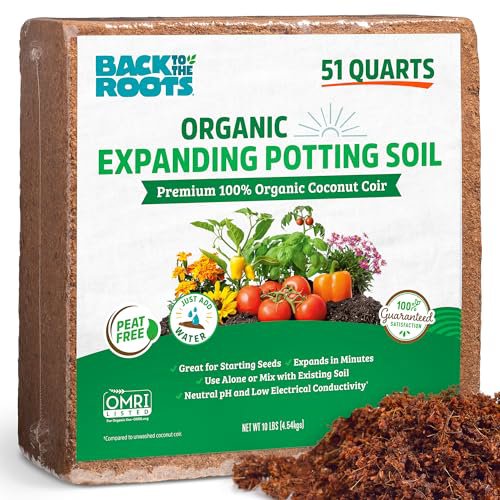
3 Apply a layer of organic mulch or coconut coir around the base to help retain soil moisture and prevent future evaporation.
error

Root Rot (Overwatering/Poor Drainage)

Excessive water in the soil displaces oxygen, leading to anaerobic conditions that cause root decay. This prevents the cabbage from absorbing the water it needs, resulting in symptomatic drooping despite wet soil.

Very Common
lightbulb
How to confirm: Inspect the base of the plant and the roots; if they appear dark brown or slimy instead of firm and white, rot is likely present.
build How to fix it
shopping_cart Recommended Products
1 Immediately stop watering and allow the soil to dry out significantly to restore oxygen to the root zone.
2 Repot the cabbage into a container with superior drainage and a well-aerated medium, such as a mix containing perlite or pumice.
3 Prune away any mushy, blackened, or foul-smelling roots to prevent the spread of decay to healthy tissue.
warning

Bacterial Soft Rot (Pectobacterium)

This common cabbage pathogen attacks the internal tissues, causing them to degrade into a mushy, water-soaked mass. The structural integrity of the leaves fails, leading to drooping and eventual collapse.

Common
lightbulb
How to confirm: Check for a foul, pungent odor coming from the center of the cabbage head or damaged leaf tissue.
build How to fix it
shopping_cart Recommended Products
1 Immediately remove and destroy all infected cabbage plants and surrounding debris to prevent the bacteria from spreading to healthy crops.
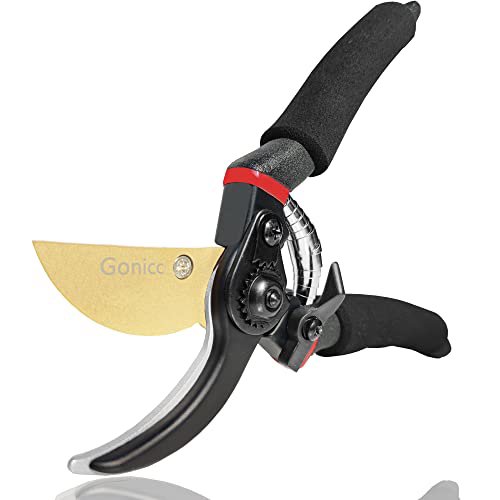
2 Sterilize all gardening tools, such as pruning shears, with alcohol or a bleach solution to avoid cross-contamination.
3 Improve soil drainage and reduce moisture levels by adding horticultural perlite to the planting area to prevent the water-soaked conditions bacteria thrive in.
warning

Extreme Temperature Fluctuations

Cabbages are cool-season crops; sudden heat waves can cause rapid transpiration that exceeds root uptake capacity. Conversely, extreme frost can damage cell walls, leading to limp, drooping leaves.

Common
lightbulb
How to confirm: Review recent local weather patterns for significant spikes in temperature or unexpected frost events.
build How to fix it
shopping_cart Recommended Products
1 Protect the cabbage from extreme temperature shifts by using a frost blanket or shade cloth during heat waves or frost alerts.
2 Mulch the base of the plant with organic matter to insulate the soil and stabilize root temperatures.
3 Monitor soil moisture levels closely to ensure the plant can meet transpiration demands during heat stress.

Other White Cabbage Compass F1 problems

Your plant might also be experiencing one of these issues:

local_hospital All symptoms eco All plants with drooping leaves
favorite