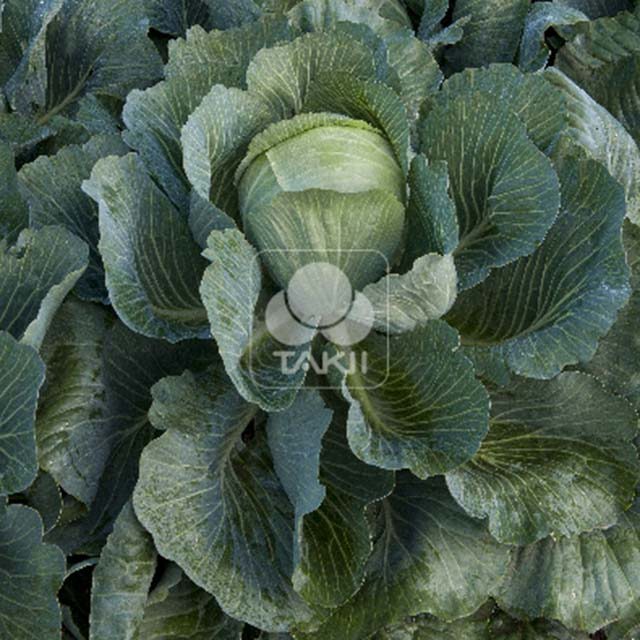
White Cabbage Valita F1 Drooping Leaves
eco Drooping Leaves

White Cabbage Valita F1 – Drooping Leaves

Why does your White Cabbage Valita F1 have drooping leaves? Diagnose the cause and fix it with our step-by-step guide.

pets Pet Friendly

search Possible Causes

error

Water Stress (Underwatering)

Cabbage plants have large, fleshy leaves that lose moisture quickly through transpiration. When soil moisture is insufficient, the turgor pressure in the cells drops, causing the structural integrity of the leaves to fail and result in wilting.

Very Common
lightbulb
How to confirm: Check the depth of the soil moisture; if it feels dry several inches below the surface, the plant needs immediate irrigation.
build How to fix it
shopping_cart Recommended Products
1 Immediately check the soil moisture level at the root zone to confirm the severity of the dehydration.
2 Apply a deep, thorough watering to the base of the plant to restore turgor pressure to the leaves.
3 Apply a layer of organic mulch or coconut coir around the base to help retain soil moisture and prevent future evaporation.
error

Root Rot (Overwatering/Poor Drainage)

Excessive water in the substrate displaces oxygen, leading to anaerobic conditions that cause root decay. Damaged roots cannot transport water to the leaves of the cabbage, mimicking the symptoms of drought.

Very Common
lightbulb
How to confirm: Gently lift the plant or inspect the drainage holes to see if the soil is saturated and if the roots appear dark brown and slimy.
build How to fix it
shopping_cart Recommended Products
1 Immediately reduce watering frequency and ensure the plant is in a container with excellent drainage to allow the substrate to dry out.
2 Repot the cabbage in a fresh, well-aerated medium like a mix containing perlite to restore oxygen to the root zone.
3 Monitor the soil moisture levels closely using an analog meter to prevent future overwatering episodes.
warning

Bacterial Soft Rot (Erwinia carotovora)

This pathogen attacks the vascular tissue of the cabbage, causing the plant's internal structure to collapse. As the bacteria consume the cell walls, the leaves lose their ability to stand upright and begin to droop.

Common
lightbulb
How to confirm: Inspect the base of the leaves for any mushy, foul-smelling, or water-soaked lesions.
build How to fix it
shopping_cart Recommended Products
1 Immediately remove and destroy all infected cabbage plants and surrounding debris to prevent the bacteria from spreading to healthy crops.
2 Apply an organic copper-based fungicide to the remaining healthy plants to help control the spread of bacterial pathogens.
3 Improve soil drainage and reduce moisture levels by adding horticultural perlite to the growing medium to prevent the waterlogged conditions bacteria thrive in.
warning

Extreme Heat Stress

High ambient temperatures increase the rate of transpiration beyond the plant's ability to pull water from the roots. This temporary physiological response is a defense mechanism to reduce leaf surface area exposure.

Common
lightbulb
How to confirm: Observe if the drooping occurs primarily during the hottest part of the day and recovers after sunset.
build How to fix it
shopping_cart Recommended Products
1 Move the plant to a shaded or cooler location to reduce direct solar radiation and lower the ambient temperature.
2 Check the soil moisture levels to ensure the plant is not also suffering from dehydration; use a moisture meter to verify deep soil hydration.
3 Apply a mulch layer or use a light organic liquid seaweed fertilizer to help the plant recover from physiological stress and boost nutrient uptake.

Other White Cabbage Valita F1 problems

Your plant might also be experiencing one of these issues:

local_hospital All symptoms eco All plants with drooping leaves
favorite