White Cabbage Valita F1 Fine Webbing
eco Fine Webbing

White Cabbage Valita F1 – Fine Webbing

Why does your White Cabbage Valita F1 have fine webbing? Diagnose the cause and fix it with our step-by-step guide.

pets Pet Friendly

search Possible Causes

error

Two-Spotted Spider Mites (Tetranychus urticae)

Spider mites thrive in hot, dry conditions and feed on the underside of cabbage leaves, secreting silk that forms characteristic fine webbing. This damage disrupts the plant's ability to photosynthesize, leading to chlorosis and stunted growth.

Very Common
lightbulb
How to confirm: Hold a white piece of paper under a leaf and tap it to see if tiny moving dots fall onto the paper.
build How to fix it
shopping_cart Recommended Products
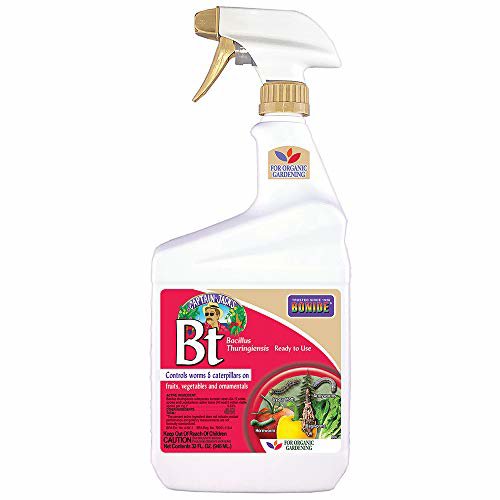
1 Apply an organic insecticide to eliminate the spider mite population and destroy eggs, larvae, and adults.
2 Increase humidity around the cabbage plants and ensure they are well-watered, as spider mites thrive in hot, dry environments.
3 Inspect the undersides of leaves regularly and use a strong stream of water to physically dislodge any remaining mites and webbing.
warning

Edible Webbing by Spule/Caterpillar Larvae

Certain larvae, such as those from the Pieridae family (Cabbage White butterflies), produce silk webbing as they move through foliage while feeding. Unlike mite webbing, this is often accompanied by visible holes in the leaf tissue and presence of frass.

Common
lightbulb
How to confirm: Gently pull the webbing apart to look for small green caterpillars or dark caterpillar droppings (frass) among the leaves.
build How to fix it
shopping_cart Recommended Products
1 Apply an organic insecticide to eliminate existing caterpillars and prevent further egg laying.
2 Manually remove any visible larvae or large clusters of webbing from the cabbage leaves to reduce the infestation size.
3 Inspect the undersides of leaves regularly for new eggs or small larvae to catch the issue before it spreads.
warning

Thrips Infestation

While thrips primarily cause silvery scarring and stippling, heavy infestations can sometimes lead to secondary silk-like structures or messy feeding patterns that mimic fine webbing. They are particularly destructive to the tender growing points of brassicas like Valita F1.

Common
lightbulb
How to confirm: Inspect the crevices of new cabbage leaves for tiny, slender, yellowish-brown insects moving rapidly.
build How to fix it
shopping_cart Recommended Products
1 Apply an organic insecticide to eliminate the thrips population and prevent further damage to the tender growing points.
2 Inspect the cabbage leaves closely for any secondary pests like spider mites, which are more common causes of true webbing.
3 Monitor soil moisture levels to ensure the plant is not under drought stress, which can make brassicas more susceptible to pest attacks.

Other White Cabbage Valita F1 problems

Your plant might also be experiencing one of these issues:

local_hospital All symptoms eco All plants with fine webbing
favorite