Wisteria sinensis Drooping Leaves
eco Drooping Leaves

Wisteria sinensis – Drooping Leaves

Why does your Wisteria sinensis have drooping leaves? Diagnose the cause and fix it with our step-by-step guide.

search Possible Causes

error

Water Stress (Drought or Overwatering)

Wisteria requires consistent moisture but is highly susceptible to root suffocation. Both extreme dry soil and waterlogged conditions prevent the vascular system from transporting water to the canopy, causing rapid wilting.

Very Common
lightbulb
How to confirm: Insert your finger two inches into the soil; if it is bone dry or extremely muddy/swampy, you have a moisture imbalance.
build How to fix it
shopping_cart Recommended Products
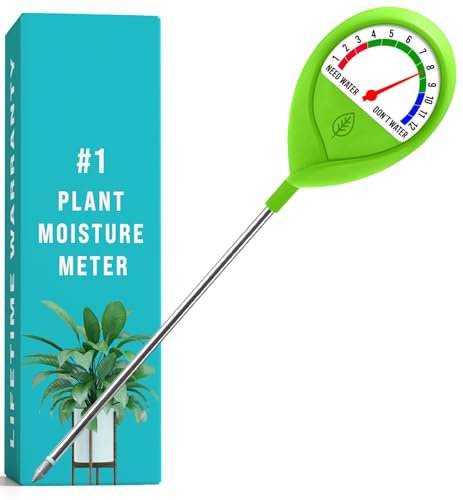
1 Check the soil moisture level at the root zone using a moisture meter to determine if the plant is suffering from drought or waterlogging.
2 If the soil is bone dry, provide a deep, slow watering to hydrate the root ball; if the soil is saturated, allow it to dry out completely and ensure the pot has adequate drainage.
3 If the plant is in a container, consider repotting into a well-draining medium enriched with perlite to prevent future root suffocation.
error

Root Rot (Phytophthora or Pythium)

In poorly draining soils, fungal pathogens attack the woody root system of Wisteria sinensis. As roots decay, they lose the ability to support the heavy vine structure, leading to systemic drooping.

Very Common
lightbulb
How to confirm: Gently lift a section of the soil near the base to check if the roots appear dark, slimy, or emit a foul odor.
build How to fix it
shopping_cart Recommended Products
1 Immediately inspect the root system for mushy, dark, or foul-smelling roots and prune away any decayed sections using sterilized tools.
2 Repot the plant into a well-draining medium and incorporate perlite or horticultural grit to improve aeration and prevent future waterlogging.
3 Ensure the plant is in a container with excellent drainage and use a moisture meter to prevent the soil from remaining saturated.
warning

Heat Stress and Transpiration Imbalance

During intense summer heat waves, Wisteria may lose water through its large leaflets faster than the roots can replenish it. This is often a temporary physiological response to protect the plant from desiccation.

Common
lightbulb
How to confirm: Observe if the leaves perk up during the cooler evening or early morning hours.
build How to fix it
shopping_cart Recommended Products
1 Monitor soil moisture levels closely to ensure the plant is not actually dehydrated; use a moisture meter to check the root zone.
2 Apply a consistent watering schedule during heat waves, ensuring the soil remains moist but not waterlogged to help the roots keep up with transpiration.
3 Provide temporary afternoon shade or use a mulch layer to keep the root zone cool and reduce evaporation.
warning

Nutrient Deficiency (Nitrogen or Iron)

A lack of essential macronutrients can weaken the structural integrity of the vine and its ability to maintain turgor pressure. This often presents as drooping accompanied by chlorosis (yellowing) in newer or older leaves.

Common
lightbulb
How to confirm: Check for yellowing patterns between leaf veins, particularly in young growth.
build How to fix it
shopping_cart Recommended Products
1 Apply a nitrogen-rich organic fertilizer to boost vegetative vigor and restore leaf turgor pressure.
2 Supplement with a liquid seaweed fertilizer to enhance nutrient uptake and help the plant recover from nutrient stress.
3 Check the soil pH to ensure that iron and other micronutrients are chemically available for the roots to absorb.

Other Wisteria sinensis problems

Your plant might also be experiencing one of these issues:

local_hospital All symptoms eco All plants with drooping leaves
favorite