Wisteria sinensis Leggy Stems
eco Leggy Stems

Wisteria sinensis – Leggy Stems

Why does your Wisteria sinensis have leggy stems? Diagnose the cause and fix it with our step-by-step guide.

search Possible Causes

error

Insufficient Sunlight

Wisteria sinensis is a heliophyte that requires full sun to produce dense foliage; lack of light triggers etiolation, where the plant stretches stems rapidly toward a light source.

Very Common
lightbulb
How to confirm: Observe if the stems are growing toward a window or away from shaded areas and check if leaf density is significantly lower on the underside of the canopy.
build How to fix it
shopping_cart Recommended Products
1 Relocate your Wisteria to a location that receives at least 6 to 8 hours of direct, full sunlight daily to stop stem stretching.
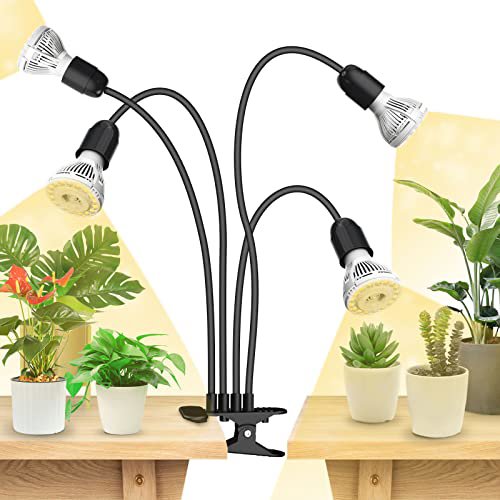
2 Supplement natural light with a high-intensity grow light to provide the necessary spectrum for dense foliage development.
3 Prune away the excessively elongated, weak stems to encourage more compact, lateral growth and better light penetration.
error

Excessive Nitrogen Fertilization

An imbalance in fertilizer, specifically high nitrogen levels, promotes rapid succulent vegetative growth at the expense of structural stem strength and woody development.

Very Common
lightbulb
How to confirm: Review recent fertilization schedules to see if high-nitrogen organic or synthetic fertilizers were applied during the early growing season.
build How to fix it
shopping_cart Recommended Products
1 Stop all nitrogen-rich fertilization immediately to allow the plant to focus on woody structural development.
2 Flush the soil with plenty of water to leach out excess nitrogen salts from the root zone.
3 Prune back the elongated, weak stems to encourage denser, sturdier growth and better light penetration.
warning

Lack of Pruning

Without regular annual pruning (typically in late summer and mid-winter), Wisteria can develop long, unbranched, and spindly shoots that lack the structural integrity of managed vines.

Common
lightbulb
How to confirm: Check if the vine has been allowed to grow continuously for more than two seasons without a period of heavy cutting back.
build How to fix it
shopping_cart Recommended Products
1 Perform annual pruning by cutting back the long, spindly shoots to encourage new, thicker growth and more abundant flowering.
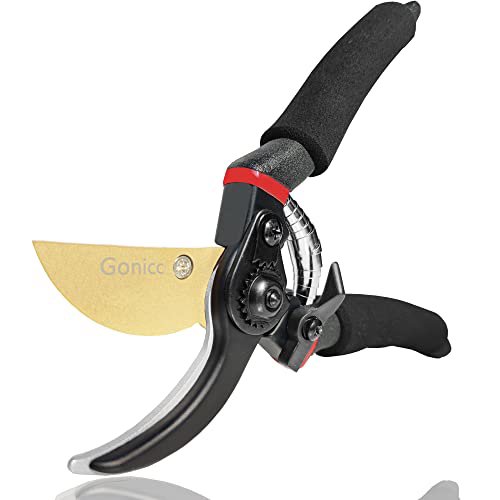
2 Use sharp, clean bypass pruners to make precise cuts, ensuring you don't damage the main structural vines.
3 Apply a balanced organic fertilizer to support the development of stronger, more robust stems following the pruning.
warning

Competition for Resources

If planted in highly fertile, loose soil with competing nearby vegetation, Wisteria may undergo rapid upward growth to outcompete neighbors for light and nutrients.

Common
lightbulb
How to confirm: Inspect the base of the plant for heavy weed growth or proximity to larger, shading trees that might be stealing localized nutrients.
build How to fix it
shopping_cart Recommended Products
1 Prune back the elongated, leggy stems to encourage denser, more lateral growth and prevent the vine from becoming too sparse.
2 Clear away any competing weeds or nearby vegetation around the base of the Wisteria to reduce competition for soil nutrients and water.
3 Apply a balanced organic fertilizer to the root zone to provide the necessary nutrients for robust stem development.

Other Wisteria sinensis problems

Your plant might also be experiencing one of these issues:

local_hospital All symptoms eco All plants with leggy stems
favorite