Wisteria venusta Leggy Stems
eco Leggy Stems

Wisteria venusta – Leggy Stems

Why does your Wisteria venusta have leggy stems? Diagnose the cause and fix it with our step-by-step guide.

search Possible Causes

error

Insufficient Sunlight

As a heliophilic vine, Wisteria venusta requires full sun to produce dense foliage; low light levels trigger etiolation, where the plant rapidly elongates stems to search for a light source.

Very Common
lightbulb
How to confirm: Observe if the internodes (space between leaves) are significantly longer than they would be in a sunny spot.
build How to fix it
shopping_cart Recommended Products
1 Relocate your Wisteria to a location that receives at least 6 to 8 hours of direct sunlight daily to stop stem elongation.
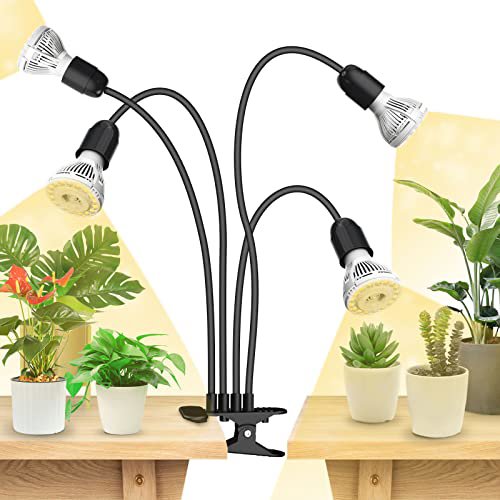
2 Supplement natural light with a high-intensity grow light to provide the necessary spectrum for dense foliage development.
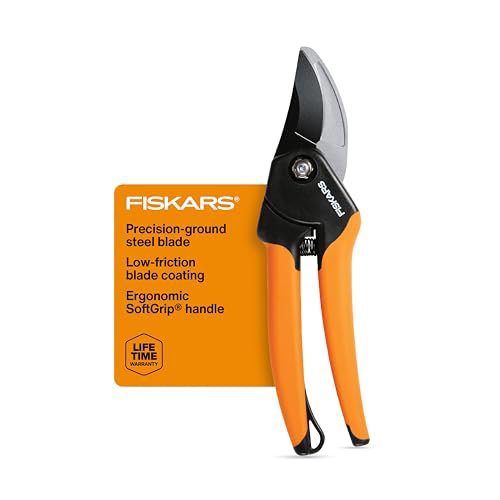
3 Prune the elongated, weak stems using sharp bypass pruners to encourage bushier growth and prevent the vine from becoming too heavy for its support.
error

Excessive Nitrogen Fertilization

High levels of nitrogen promote rapid, succulent vegetative growth at the expense of structural integrity and stem density, resulting in weak, spindly vines.

Very Common
lightbulb
How to confirm: Check if you have recently applied a fertilizer with a much higher first number (N) than second or third numbers.
build How to fix it
shopping_cart Recommended Products
1 Stop all nitrogen-rich fertilization immediately to prevent further rapid, weak growth.
2 Prune the spindly, leggy stems using sharp, clean shears to encourage denser, sturdier growth.
3 Apply a balanced or low-nitrogen fertilizer to support structural strength and flowering.
warning

Lack of Pruning

Without regular seasonal pruning to pinch back terminal buds, Wisteria tends to produce long, unbranched whips that appear leggy and lack bushy structure.

Common
lightbulb
How to confirm: Review your pruning history to see if the current season's growth has been allowed to extend unchecked.
build How to fix it
shopping_cart Recommended Products
1 Use sharp pruning shears to pinch back the terminal buds on the long, unbranched whips to encourage lateral branching and a bushier structure.
2 Implement a regular seasonal pruning schedule, specifically cutting back the new growth in late summer to maintain a compact and controlled shape.
warning

Inadequate Support Structure

If the vine is not properly trained or lacks a sturdy trellis, it may stretch excessively upward or downward in an attempt to find stable anchor points.

Common
lightbulb
How to confirm: Inspect the trellis or arbor for stability and ensure the vines are being actively wrapped around the structure.
build How to fix it
shopping_cart Recommended Products
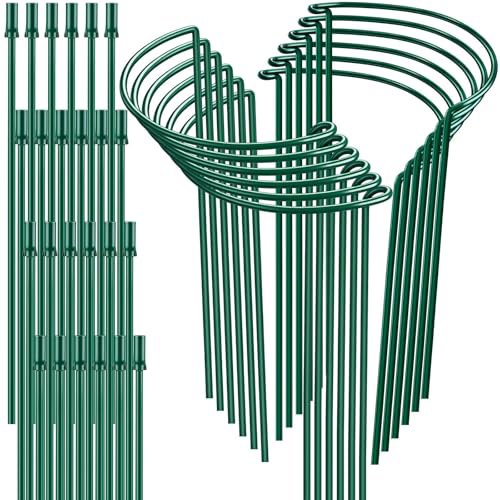
1 Install a sturdy trellis or support system to provide a stable anchor point for the climbing vines to wrap around.
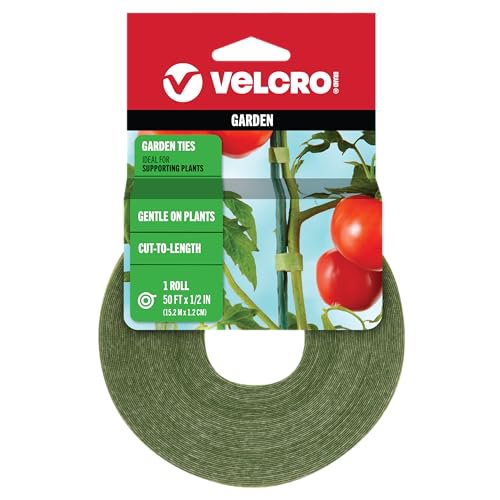
2 Gently train the leggy stems around the support structure and secure them loosely using soft ties to prevent stem damage.
3 Prune back the excessively elongated stems to encourage denser, bushier growth and more robust branching.

Other Wisteria venusta problems

Your plant might also be experiencing one of these issues:

local_hospital All symptoms eco All plants with leggy stems
favorite