Zantedeschia aethiopica (Purple) Drooping Leaves
eco Drooping Leaves

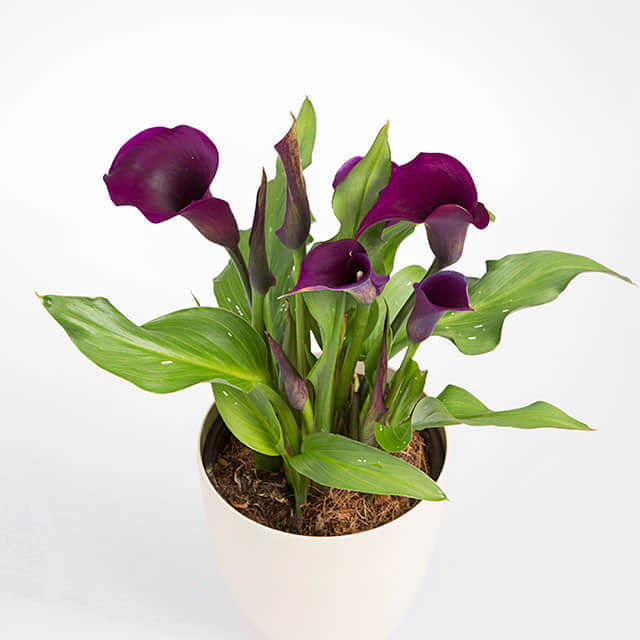
Zantedeschia aethiopica (Purple) – Drooping Leaves

Why does your Zantedeschia aethiopica (Purple) have drooping leaves? Diagnose the cause and fix it with our step-by-step guide.

search Possible Causes

error

Overwatering and Root Rot

Calla Lilies are sensitive to stagnant water; excessive moisture causes Rhizome rot, which disrupts the plant's ability to transport water to the foliage, resulting in sudden drooping.

Very Common
lightbulb
How to confirm: Gently lift the rhizome from the soil to check if it is soft, mushy, or emitting a foul odor.
build How to fix it
shopping_cart Recommended Products
1 Immediately remove the plant from its current container and inspect the rhizome for mushy, dark, or foul-smelling rot.
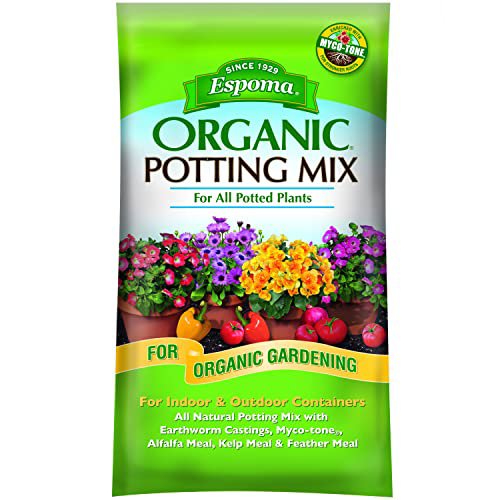
2 Trim away all decayed roots and repot the plant in a well-draining, fresh medium like Espoma Organic Potting Soil Mix to prevent further rot.
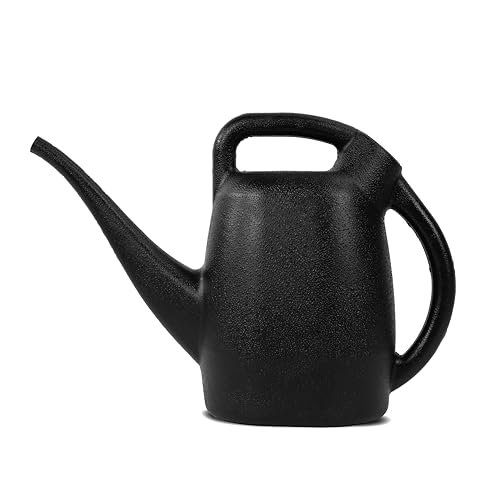
3 Use a moisture meter to monitor the soil and ensure you only water when the top inch of soil is dry, preventing future overwatering.
error

Underwatering and Drought Stress

While they enjoy moisture, Zantedeschia aethiopica requires consistent hydration; when the growing medium dries out completely, the turgor pressure in the leaves drops, causing wilting.

Very Common
lightbulb
How to confirm: Check the depth of the soil moisture with your finger to see if it feels bone-dry several inches below the surface.
build How to fix it
shopping_cart Recommended Products
1 Immediately check the soil moisture level using a moisture meter to confirm the depth of the drought stress.
2 Thoroughly water the plant until water drains from the bottom of the pot, ensuring the entire root ball is saturated.
3 To prevent future drought, consider using a self-watering system or a moisture-retaining substrate like coco coir.
warning

Temperature Fluctuations or Cold Stress

Purple Calla Lilies are tropical perennials that are highly sensitive to frost and cold drafts, which can cause metabolic slowdown and leaf collapse.

Common
lightbulb
How to confirm: Observe if the drooping coincided with a recent drop in nighttime temperatures or placement near a drafty window.
build How to fix it
shopping_cart Recommended Products
1 Move your Calla Lily to a stable, warm environment away from cold drafts, windows, or air conditioning vents to prevent further metabolic shock.
2 Monitor the soil moisture closely using a moisture meter to ensure the plant isn't being overwatered while in its stressed, dormant-like state.
3 Apply a microbial-based liquid fertilizer to help stimulate root zone recovery and strengthen the plant's resilience against environmental stress.
warning

Nutrient Deficiency (Nitrogen)

A lack of essential nitrogen prevents the development of strong cell walls and chlorophyll, leading to weakened stems that cannot support the weight of the leaves.

Common
lightbulb
How to confirm: Look for a pale, yellowish tint on the older leaves in addition to the drooping symptom.
build How to fix it
shopping_cart Recommended Products
1 Apply a nitrogen-rich liquid fertilizer to boost chlorophyll production and strengthen stem cell walls.
2 Check the soil moisture levels with a moisture meter to ensure the drooping isn't actually caused by underwatering.
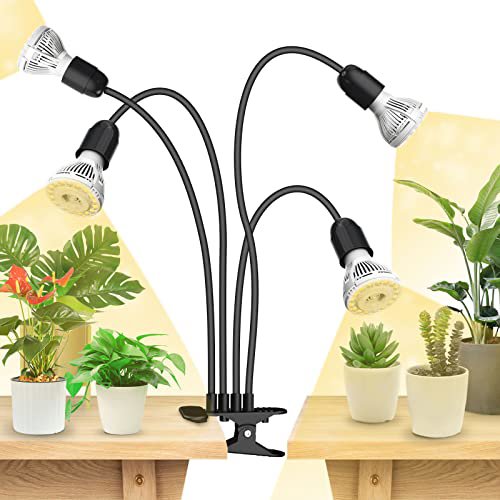
3 Ensure the plant is receiving adequate light, as insufficient energy can exacerbate the appearance of nutrient-related weakness.

Other Zantedeschia aethiopica (Purple) problems

Your plant might also be experiencing one of these issues:

local_hospital All symptoms eco All plants with drooping leaves
favorite