Zantedeschia Allure Drooping Leaves
eco Drooping Leaves

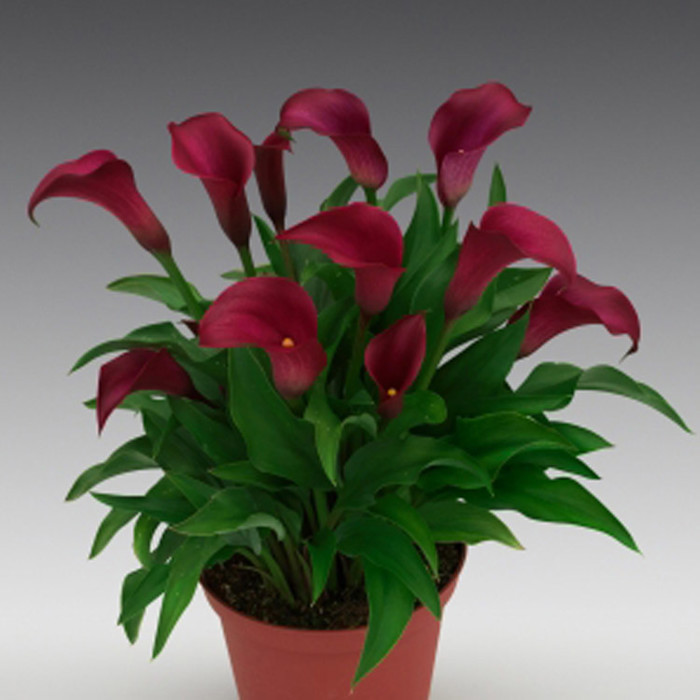
Zantedeschia Allure – Drooping Leaves

Why does your Zantedeschia Allure have drooping leaves? Diagnose the cause and fix it with our step-by-step guide.

search Possible Causes

error

Underwatering and Low Humidity

Zantedeschia 'Allure' requires consistently moist soil to maintain its large, succulent-like leaves. If the medium dries out completely, the turgor pressure drops, causing the foliage to wilt or droop.

Very Common
lightbulb
How to confirm: Check if the top inch of soil is bone dry and feel if the leaves are limp but not mushy.
build How to fix it
shopping_cart Recommended Products
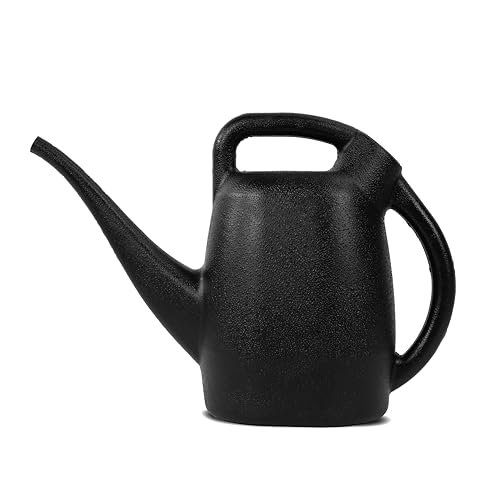
1 Immediately check the soil moisture level using a probe to determine the depth of dehydration.
2 Thoroughly water the plant until water drains from the bottom, ensuring the root ball is fully saturated.
3 Increase local humidity around the foliage by using a fine mist spray or placing a pebble tray beneath the pot.
error

Root Rot (Overwatering)

Excessive moisture in the substrate leads to anaerobic conditions, causing rhizome decay. This prevents the plant from transporting water to the leaves, resulting in drooping that mimics dehydration.

Very Common
lightbulb
How to confirm: Gently lift the plant from its pot to see if the rhizome or roots feel slimy, soft, or smell like decay.
build How to fix it
shopping_cart Recommended Products
1 Immediately remove the plant from the pot and inspect the rhizome for mushy, dark, or foul-smelling rot; trim away any decayed sections using sterilized tools.
2 Repot the plant in a fresh, well-draining medium and ensure the new container has adequate drainage to prevent future water accumulation.
3 Use a moisture meter to monitor the substrate, ensuring you only water when the top inch of soil is dry to avoid repeating anaerobic conditions.
warning

Temperature Stress/Cold Shock

Calla Lilies are sensitive to sudden drops in temperature. Cold drafts can cause the cellular structure of the 'Allure' leaves to lose stability, leading to a flaccid appearance.

Common
lightbulb
How to confirm: Check if the plant is located near an open window, air conditioning vent, or drafty door.
build How to fix it
shopping_cart Recommended Products
1 Immediately move the plant away from cold drafts, windows, or air conditioning vents to a stable, warm environment.
2 Check the soil moisture with a meter to ensure the cold shock hasn't led to overwatering, as cold, wet soil can exacerbate root issues.
3 Gently wrap the plant in a light cloth or use a heat mat if the temperature remains unstable to help stabilize the cellular structure.
warning

Nutrient Deficiency (Nitrogen)

A lack of available nitrogen prevents the production of chlorophyll and structural proteins needed for upright leaf growth. This often manifests as pale green, drooping foliage.

Common
lightbulb
How to confirm: Observe if the older leaves are turning yellow along with the drooping symptom.
build How to fix it
shopping_cart Recommended Products
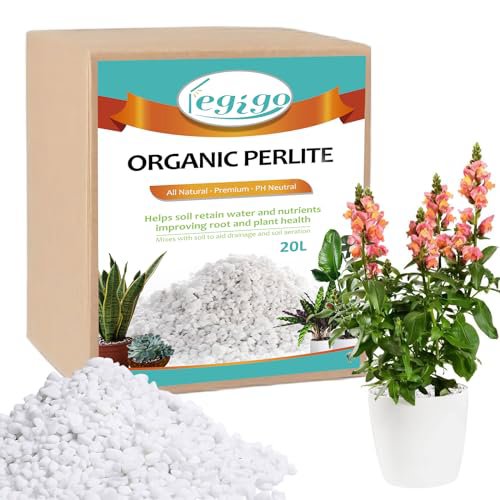
1 Apply a nitrogen-rich liquid fertilizer to boost chlorophyll production and restore leaf structure.
2 Monitor soil moisture levels with a moisture meter to ensure the plant is not drooping due to dehydration.
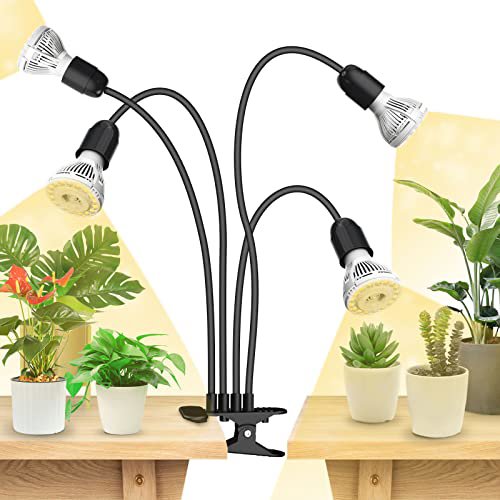
3 Ensure the plant is receiving adequate light to support the metabolic processes required for nutrient uptake.

Other Zantedeschia Allure problems

Your plant might also be experiencing one of these issues:

local_hospital All symptoms eco All plants with drooping leaves
favorite