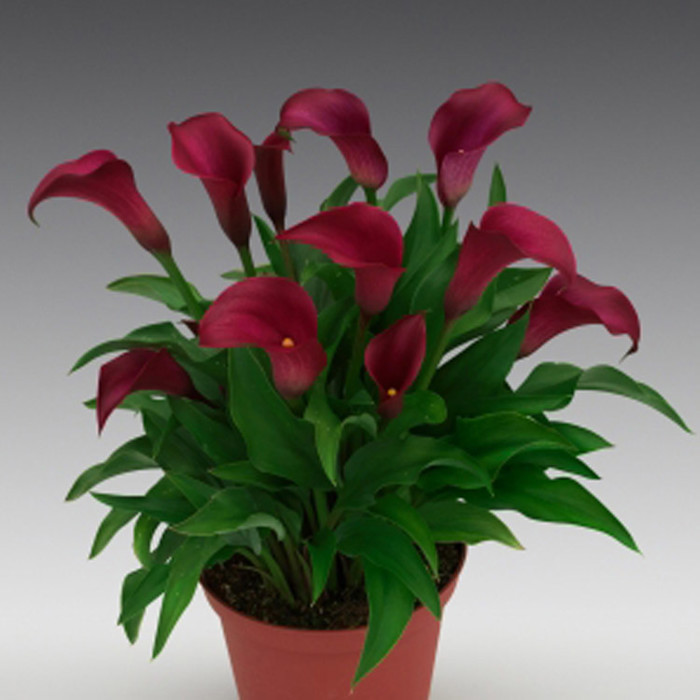
Zantedeschia Allure Sudden Leaf Drop
eco Sudden Leaf Drop

Zantedeschia Allure – Sudden Leaf Drop

Why does your Zantedeschia Allure have sudden leaf drop? Diagnose the cause and fix it with our step-by-step guide.

search Possible Causes

error

Overwatering and Root Rot

Zantedeschia species are sensitive to stagnant water; excessive moisture in the substrate leads to Phytophthora or Pythium, causing the plant to shed leaves as the root system fails. This is the most common cause of sudden senescence in Calla Lily cultivars.

Very Common
lightbulb
How to confirm: Gently lift the plant from its pot to check if the rhizomes or roots feel mushy and smell of decay.
build How to fix it
shopping_cart Recommended Products
1 Immediately remove the plant from its current container and inspect the roots for mushy, dark, or foul-smelling decay; prune away any rot using sterilized shears.
2 Repot the Calla Lily in a fresh, well-draining potting medium and ensure the new container has adequate drainage to prevent water from pooling.
3 Use a soil moisture meter to monitor the substrate, ensuring you only water when the top inch of soil feels dry to avoid future overwatering.
error

Temperature Shock or Cold Stress

Calla Lilies are tropical perennials that thrive in warmth; a sudden drop in ambient temperature or exposure to drafts can trigger an immediate stress response, leading to leaf abscission.

Very Common
lightbulb
How to confirm: Check if the plant was recently moved near a window, air conditioning vent, or exposed to overnight frost.
build How to fix it
shopping_cart Recommended Products
1 Immediately move the plant to a warmer, draft-free location away from windows or air conditioning vents to stabilize the temperature.
2 Check the soil moisture with a meter to ensure the cold stress hasn't led to waterlogged soil, which can cause root rot.
3 Apply a microbial-based fertilizer to help stimulate root zone recovery and strengthen the plant's resilience against environmental stress.
warning

Fungal Leaf Spot (Botrytis)

High humidity combined with poor air circulation can promote Botrytis cinerea, which weakens the leaf stalks (petioles) and causes them to detach from the rhizome.

Common
lightbulb
How to confirm: Inspect the remaining leaves for brown, water-soaked spots or fuzzy grey mold patches.
build How to fix it
shopping_cart Recommended Products
1 Remove and discard all infected leaves and debris to prevent the fungus from spreading to healthy tissue.
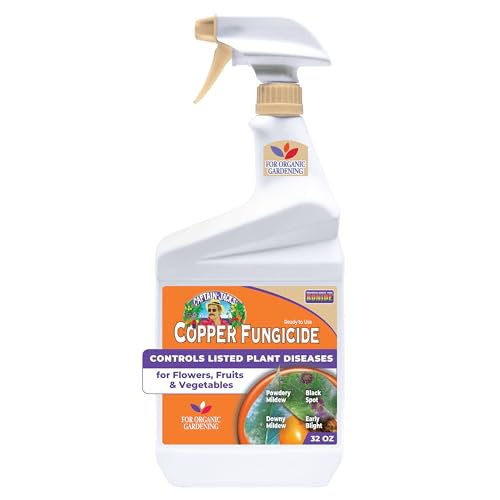
2 Apply a fungicide to the affected areas and improve air circulation around the plant to reduce humidity levels.
3 Ensure the plant is in a well-ventilated area and avoid overhead watering to keep the foliage dry.
warning

Nutrient Deficiency (Nitrogen)

A sudden depletion of nitrogen in the growing medium can cause the plant to prioritize rhizome survival by shedding older, larger leaves to conserve resources.

Common
lightbulb
How to confirm: Observe if the yellowing started on older, lower leaves before the actual drop occurred.
build How to fix it
shopping_cart Recommended Products
1 Apply a nitrogen-rich liquid fertilizer to the soil to quickly replenish depleted nutrients and support new foliage growth.
2 Monitor the soil moisture levels using an analog meter to ensure the plant is not experiencing water stress alongside the deficiency.
3 Inspect the remaining leaves for yellowing, which is a classic sign of nitrogen deficiency, and avoid over-fertilizing to prevent root burn.

Other Zantedeschia Allure problems

Your plant might also be experiencing one of these issues:

local_hospital All symptoms eco All plants with sudden leaf drop
favorite