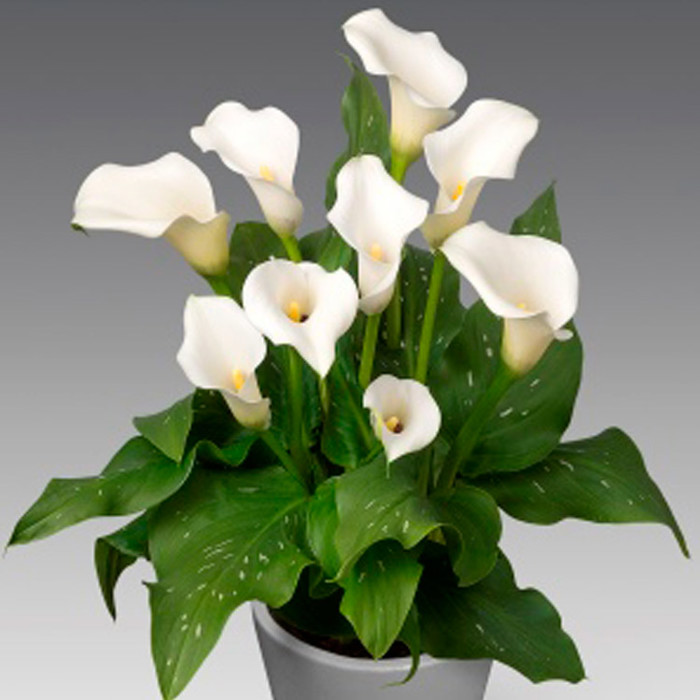
Zantedeschia Captain Kelso Yellow Leaves
eco Yellow Leaves

Zantedeschia Captain Kelso – Yellow Leaves

Why does your Zantedeschia Captain Kelso have yellow leaves? Diagnose the cause and fix it with our step-by-step guide.

search Possible Causes

error

Overwatering and Root Rot

Zantedeschia species are sensitive to stagnant water; excessive moisture in the rhizome area causes fungal pathogens like Phytophthora to trigger leaf chlorosis. This prevents the plant from transporting oxygen and nutrients through the vascular system.

Very Common
lightbulb
How to confirm: Gently lift the rhizome from the pot to check if the base is soft, mushy, or smells of decay.
build How to fix it
shopping_cart Recommended Products
1 Immediately remove the plant from its current container and inspect the rhizome for mushy, dark, or foul-smelling rot.
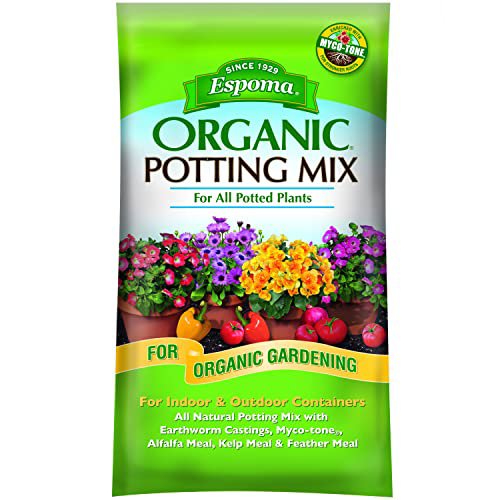
2 Prune away all dead or rotting roots using sterilized shears and repot the plant in a well-draining, fresh medium like Espoma Organic Potting Soil Mix to prevent further fungal growth.
3 Ensure the new pot has excellent drainage and use a moisture meter to monitor the soil, preventing the rhizome area from becoming waterlogged.
error

Nitrogen Deficiency

Yellowing (chlorosis) often begins in older leaves when nitrogen levels in the potting medium are depleted. Since Calla Lilies are heavy feeders during their growth phase, a lack of nitrogen prevents chlorophyll production.

Very Common
lightbulb
How to confirm: Observe if the yellowing is progressing from the bottom (oldest) leaves upward toward the new growth.
build How to fix it
shopping_cart Recommended Products
1 Apply a nitrogen-rich liquid fertilizer to boost chlorophyll production and green up the foliage.
2 Incorporate an organic soil amendment like worm castings into the top layer of the soil to provide long-term nutrient release.
3 Monitor soil moisture levels with a meter to ensure the plant is not experiencing water stress, which can mimic nutrient deficiency symptoms.
warning

Temperature Stress (Cold Shock)

Yellowing can occur if the 'Captain Kelso' is exposed to temperatures below 50°F (10°C). Sudden drops in temperature cause the plant to enter a defensive state, leading to rapid breakdown of chlorophyll in the foliage.

Common
lightbulb
How to confirm: Check for recent exposure to cold drafts from windows or sudden drops in ambient room temperature.
build How to fix it
shopping_cart Recommended Products
1 Immediately move the plant to a warmer, stable environment, ensuring temperatures remain consistently above 50°F (10°C) to prevent further chlorophyll breakdown.
2 Monitor the soil moisture closely using a moisture meter to ensure the plant is not being overwatered while in its stressed, dormant-like state.
3 Once the plant stabilizes, apply a microbial-based fertilizer to support root zone recovery and help the plant bounce back from the temperature shock.
warning

Light Intensity Issues (Sunscald or Low Light)

While they love light, direct, intense midday sun can scorch the leaves of 'Captain Kelso', causing yellow/bleached patches. Conversely, extremely low light levels will cause the plant to lose its deep green color as it cannot sustain photosynthesis.

Common
lightbulb
How to confirm: Inspect if the yellow patches are specifically located on surfaces directly facing a bright window.
build How to fix it
shopping_cart Recommended Products
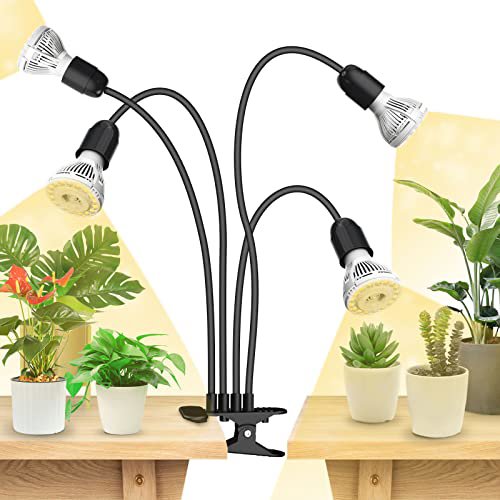
1 Relocate your Calla Lily to a spot with bright, indirect light to prevent sunscald, or increase light exposure if the plant is in a dark corner.
2 Monitor the light levels using a light meter or by observing the plant's reaction to its environment to ensure it receives consistent, filtered brightness.
3 Prune away any completely yellow or dead leaves using clean, sharp shears to allow the plant to focus energy on healthy new growth.

Other Zantedeschia Captain Kelso problems

Your plant might also be experiencing one of these issues:

local_hospital All symptoms eco All plants with yellow leaves
favorite