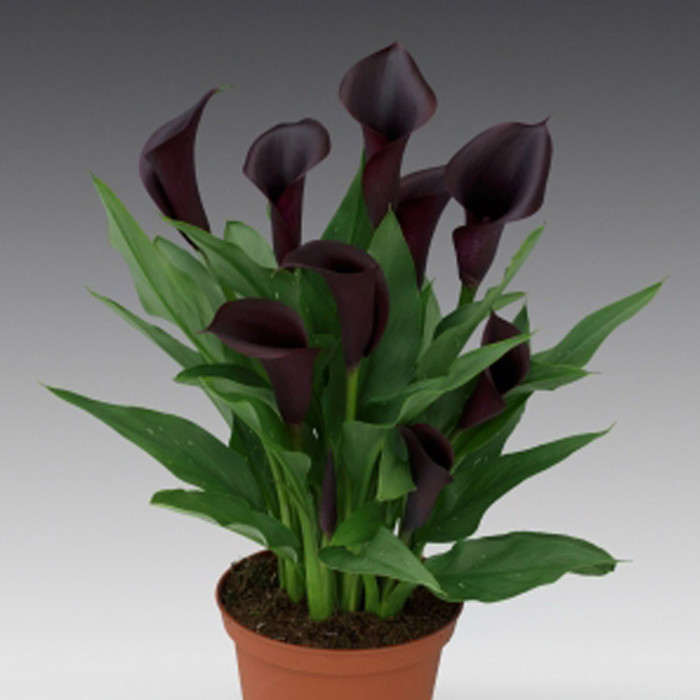
Zantedeschia Odessa Sudden Leaf Drop
eco Sudden Leaf Drop

Zantedeschia Odessa – Sudden Leaf Drop

Why does your Zantedeschia Odessa have sudden leaf drop? Diagnose the cause and fix it with our step-by-step guide.

search Possible Causes

error

Overwatering and Root Rot

Calla Lilies are sensitive to saturated soil; excessive moisture causes Pythium or Phytophthora species to attack the rhizome, leading to rapid foliage decline. As the roots decay, they can no longer support the heavy 'Odessa' leaves, causing them to drop.

Very Common
lightbulb
How to confirm: Gently lift the rhizome from the pot to check if it feels mushy or smells like decay.
build How to fix it
shopping_cart Recommended Products
1 Immediately remove the plant from its current container and inspect the rhizome and roots for mushy, dark, or foul-smelling decay.
2 Prune away all rotted root tissue using sterilized shears and repot the plant in a well-draining, airy medium like a mix containing perlite or orchid bark to prevent future saturation.
3 Switch to a more breathable pot and use a moisture meter to ensure the soil is allowed to dry out significantly between watering sessions.
error

Temperature Shock or Cold Stress

Zantedeschia 'Odessa' thrives in consistent warmth; a sudden drop in ambient temperature or exposure to drafts can trigger an emergency dormancy response. This causes the plant to shed its leaves quickly to conserve energy.

Very Common
lightbulb
How to confirm: Check if there has been a recent change in room temperature or if the plant is near a cold window/drafty door.
build How to fix it
shopping_cart Recommended Products
1 Immediately move the plant to a stable, warm environment away from cold drafts, windows, or air conditioning vents to stop further stress.
2 Monitor the soil moisture closely using a moisture meter to ensure the plant does not sit in overly wet soil while in its dormant state.
3 Once the temperature stabilizes, apply a light feeding of liquid seaweed to help the plant recover from the environmental stress.
warning

Fungal Leaf Spot (Botrytis)

High humidity combined with poor air circulation can lead to Botrytis cinerea, which causes lesions that eventually lead to whole-leaf abscission. This is particularly common in the dense foliage of larger Calla Lily cultivars.

Common
lightbulb
How to confirm: Inspect the remaining leaves for small, brown, water-soaked spots or fuzzy gray mold.
build How to fix it
shopping_cart Recommended Products
1 Apply a fungicide to treat the Botrytis infection and prevent the spread of lesions to healthy leaves.
2 Improve air circulation around the dense foliage by pruning away heavily damaged leaves and spacing plants further apart.
3 Reduce humidity levels by avoiding overhead watering and ensuring the plant is in a well-ventilated area.
warning

Nutrient Deficiency (Nitrogen)

A sudden lack of available nitrogen in the growing medium can cause the plant to reabsorb nutrients from older leaves, resulting in yellowing and eventual drop. This is common if the plant has exhausted the nutrients in its potting mix.

Common
lightbulb
How to confirm: Check if the older, lower leaves are turning pale yellow before falling off.
build How to fix it
shopping_cart Recommended Products
1 Apply a nitrogen-rich liquid fertilizer to replenish the depleted nutrients in the growing medium.
2 Check the soil moisture levels using a moisture meter to ensure the plant is not also experiencing water stress.
3 Repot the Calla Lily in fresh, nutrient-dense potting soil to provide a long-term supply of essential minerals.

Other Zantedeschia Odessa problems

Your plant might also be experiencing one of these issues:

local_hospital All symptoms eco All plants with sudden leaf drop
favorite