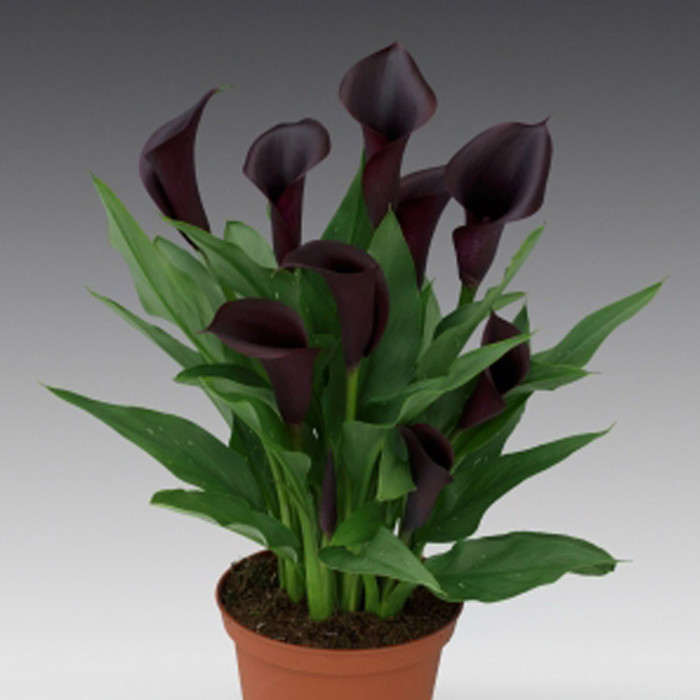
Zantedeschia Odessa Yellow Leaves
eco Yellow Leaves

Zantedeschia Odessa – Yellow Leaves

Why does your Zantedeschia Odessa have yellow leaves? Diagnose the cause and fix it with our step-by-step guide.

search Possible Causes

error

Overwatering and Root Rot

Zantedeschia 'Odessa' is highly sensitive to waterlogged soil; excess moisture causes rhizome decay and prevents oxygen from reaching the roots, leading to systemic chlorosis.

Very Common
lightbulb
How to confirm: Gently lift the rhizome to check if the base feels soft, mushy, or emits a foul odor.
build How to fix it
shopping_cart Recommended Products
1 Immediately remove the plant from its current container and inspect the rhizome for any mushy, dark, or foul-smelling rot.
2 Prune away all decayed root tissue using sterilized tools and repot the plant in a well-draining, airy medium like a mix containing perlite or pumice.
3 Switch to a more breathable pot and use a moisture meter to ensure the soil is allowed to dry out significantly before the next watering.
error

Nutrient Deficiency (Nitrogen or Magnesium)

A lack of nitrogen or magnesium in the potting medium prevents the production of chlorophyll, causing older leaves to turn yellow first in these heavy-feeding rhizomes.

Very Common
lightbulb
How to confirm: Observe if the yellowing starts on older, lower leaves while new growth remains green.
build How to fix it
shopping_cart Recommended Products
1 Apply a liquid fertilizer rich in nitrogen and magnesium to boost chlorophyll production and revitalize older leaves.
2 Supplement the soil with a magnesium-rich additive to specifically target magnesium deficiency and strengthen cell walls.
3 Monitor the soil moisture levels using an analog meter to ensure the rhizome is not experiencing water stress, which can mimic nutrient deficiency symptoms.
warning

Temperature Stress or Cold Shock

As a tropical rhizome, 'Odessa' reacts to temperatures below 55°F (13°C) by slowing metabolism and shedding foliage through yellowing.

Common
lightbulb
How to confirm: Check if the plant has been exposed to drafts from windows or sudden nighttime temperature drops.
build How to fix it
shopping_cart Recommended Products
1 Move your Calla Lily to a warmer environment, ensuring temperatures remain consistently above 55°F (13°C) to prevent further metabolic slowdown.
2 Monitor soil moisture closely during temperature fluctuations using a moisture meter to ensure the rhizome does not suffer from cold-induced root rot.
3 Once the plant stabilizes in a warm area, apply a balanced liquid fertilizer to help recover from the stress and promote new foliage growth.
warning

Light Intensity Issues

Insufficient light levels prevent the plant from sustaining its large, lush foliage, while extreme direct midday sun can scorch and yellow leaf margins.

Common
lightbulb
How to confirm: Assess if the plant's location has adequate bright, indirect light consistent with Calla Lily requirements.
build How to fix it
shopping_cart Recommended Products
1 Relocate your Calla Lily to a spot with bright, indirect sunlight to prevent leaf scorching while ensuring enough energy for foliage production.
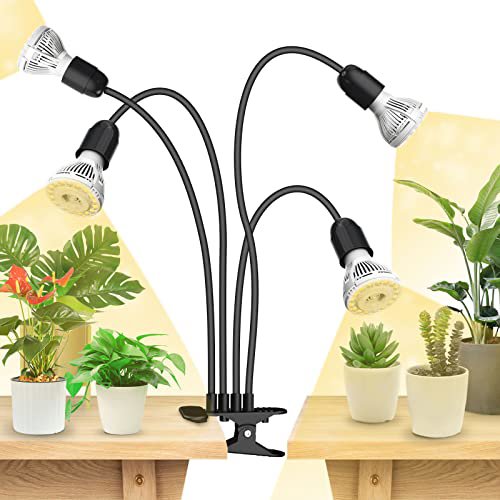
2 Supplement with a full-spectrum grow light if natural light levels are insufficient, especially during darker months.
3 Monitor the soil moisture levels closely, as improper watering often accompanies light stress and can exacerbate yellowing.

Other Zantedeschia Odessa problems

Your plant might also be experiencing one of these issues:

local_hospital All symptoms eco All plants with yellow leaves
favorite