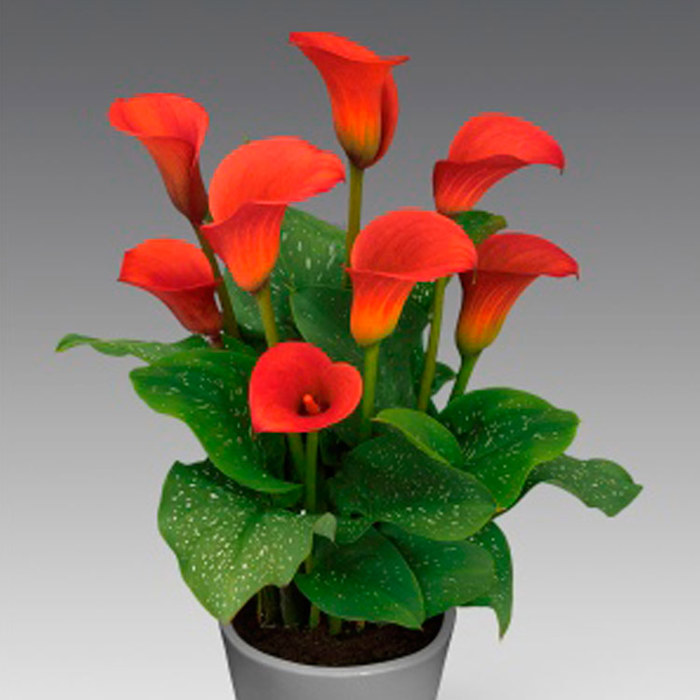
Zantedeschia Red Alert Leggy Stems
eco Leggy Stems

Zantedeschia Red Alert – Leggy Stems

Why does your Zantedeschia Red Alert have leggy stems? Diagnose the cause and fix it with our step-by-step guide.

search Possible Causes

error

Insufficient Light Intensity

Calla lilies are phototropic; when light levels are too low, the plant undergoes etiolation, stretching its stems rapidly to reach for a light source. This results in weak, elongated stalks that cannot support the weight of the red spathes.

Very Common
lightbulb
How to confirm: Observe if the leaves are leaning heavily toward a window or if the stem internodes (space between leaves) appear unusually long.
build How to fix it
shopping_cart Recommended Products
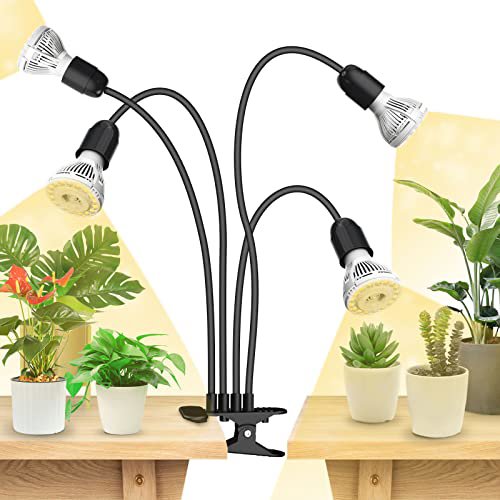
1 Increase the intensity of your light source by moving the plant closer to a window or installing a full-spectrum grow light to prevent further stretching.
2 Provide consistent supplemental lighting using a high-PPFD LED bulb to support the plant's heavy red spathes and strengthen the stems.
3 Gently stake the elongated stems using soft supports to prevent them from collapsing under their own weight while they adjust to the new light levels.
warning

Excessive Nitrogen Fertilization

High levels of nitrogen encourage rapid vegetative growth, which can lead to succulent, weak cell walls in Zantedeschia. This causes the stems to grow too quickly for their structural integrity, leading to a leggy appearance.

Common
lightbulb
How to confirm: Check if you have recently used a fertilizer with a much higher first number (N) in the N-P-K ratio.
build How to fix it
shopping_cart Recommended Products
1 Immediately cease all high-nitrogen fertilization to allow the plant to stabilize and strengthen its cell walls.
2 Flush the soil with plenty of fresh water to leach out excess nitrogen salts from the root zone.
3 Provide increased indirect sunlight or supplemental lighting to encourage sturdier, more compact growth.
warning

Overwatering and Poor Drainage

Constant moisture in the rhizome area can cause soft, rapid growth of stems that lack structural cellulose. This often accompanies the early stages of root suffocation before visible rot sets in.

Common
lightbulb
How to confirm: Stick your finger two inches into the soil to see if it remains damp for several days after watering.
build How to fix it
shopping_cart Recommended Products
1 Immediately check the soil moisture levels to ensure the rhizome is not sitting in saturated soil; use a moisture meter to detect deep-seated water retention.
2 Repot the Calla Lily into a container with superior drainage, such as a Root & Vessel cylinder pot, and use a well-draining medium amended with perlite to prevent waterlogging.
3 Ensure the plant is placed in a location with adequate light to strengthen stem structure and prevent further stretching.
warning

Temperature Fluctuations

Large swings between day and night temperatures can disrupt the metabolic rate of the Red Alert cultivar, sometimes triggering rapid, spindly growth spurts. This is common if the plant is placed near drafty windows or heating vents.

Common
lightbulb
How to confirm: Check for proximity to air conditioning vents or radiators that might be causing localized temperature spikes.
build How to fix it
shopping_cart Recommended Products
1 Relocate the plant away from drafty windows, air conditioning vents, or heating units to maintain a stable environment.
2 Provide supplemental lighting to strengthen the stems and prevent further stretching.
3 Use a moisture meter to ensure consistent watering, as stable moisture levels help the plant manage metabolic stress.

Other Zantedeschia Red Alert problems

Your plant might also be experiencing one of these issues:

local_hospital All symptoms eco All plants with leggy stems
favorite