Zantedeschia Red Alert Yellow Leaves
eco Yellow Leaves

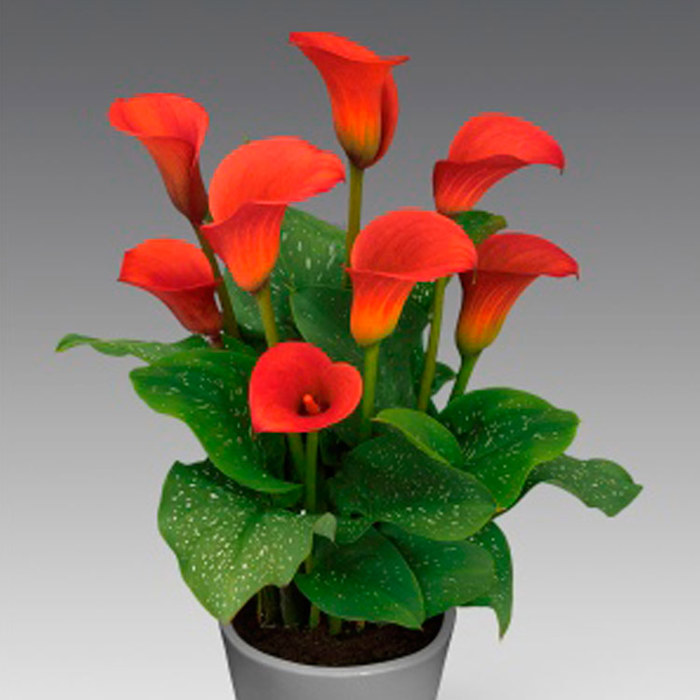
Zantedeschia Red Alert – Yellow Leaves

Why does your Zantedeschia Red Alert have yellow leaves? Diagnose the cause and fix it with our step-by-step guide.

search Possible Causes

error

Overwatering and Root Rot

Calla Lilies are susceptible to rhizome rot if the soil remains saturated for too long. Excessive moisture prevents oxygen from reaching the roots, leading to chlorophyll breakdown and yellowing foliage.

Very Common
lightbulb
How to confirm: Gently lift the rhizome to check if it feels mushy or has a foul odor.
build How to fix it
shopping_cart Recommended Products
1 Immediately remove the plant from the saturated soil and inspect the rhizome for mushy, dark, or foul-smelling rot.
2 Prune away any completely decayed roots and repot the plant in a well-draining medium, such as a mix containing Legigo Organic Horticultural Perlite, to improve aeration.
3 Switch to a more breathable container and use a moisture meter to ensure the soil is allowed to dry out significantly before the next watering.
error

Nitrogen Deficiency

A lack of nitrogen prevents the plant from producing sufficient chlorophyll, causing older leaves to turn yellow first. This is common in container-grown 'Red Alert' varieties where nutrients are quickly depleted from the potting medium.

Very Common
lightbulb
How to confirm: Look for uniform yellowing starting from the bottom leaves and consider applying a balanced liquid fertilizer.
build How to fix it
shopping_cart Recommended Products
1 Apply a nitrogen-rich liquid fertilizer to replenish the depleted nutrients in the potting medium.
2 Check the soil moisture levels using a moisture meter to ensure the nitrogen is being effectively absorbed by the roots.
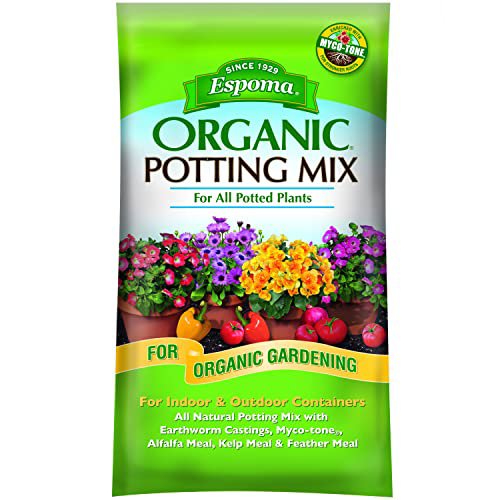
3 If the plant is in a small container, repot it with fresh, nutrient-dense organic potting soil to provide long-term nutrition.
warning

Temperature Stress (Cold Shock)

Zantedeschia species are sensitive to sudden drops in temperature. If the plant is exposed to temperatures below 50°F (10°C), the metabolic processes slow down, resulting in yellowing and drooping leaves.

Common
lightbulb
How to confirm: Check if the plant has been recently moved near a drafty window or outdoors during a cold night.
build How to fix it
shopping_cart Recommended Products
1 Immediately move the plant to a warmer, stable environment, ensuring temperatures remain consistently above 50°F (10°C) to prevent further metabolic slowdown.
2 Avoid placing the plant near cold drafts, windows, or air conditioning vents that could trigger another temperature shock.
3 Monitor the soil moisture closely using a moisture meter, as temperature fluctuations can disrupt the plant's water uptake and lead to overwatering in cooler conditions.
warning

Light Deprivation

While 'Red Alert' can tolerate partial shade, insufficient light prevents the plant from maintaining its energy reserves. This leads to chlorosis as the plant struggles to support its large leaf surface area.

Common
lightbulb
How to confirm: Observe if the yellowing is accompanied by elongated, spindly stems reaching toward a light source.
build How to fix it
shopping_cart Recommended Products
1 Relocate your Calla Lily to a spot with bright, indirect sunlight to ensure it has enough energy for photosynthesis.
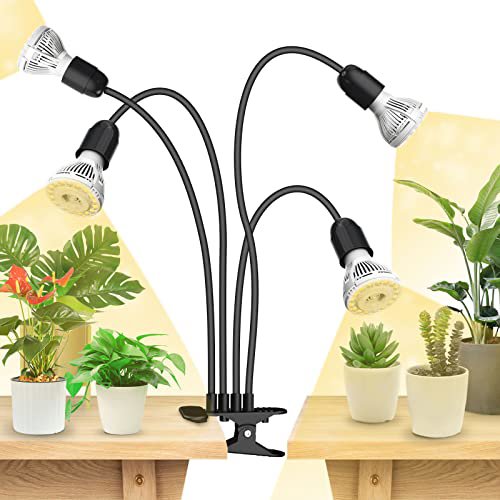
2 If natural light is insufficient, supplement with a full-spectrum grow light to stabilize energy production.
3 Monitor the soil moisture levels closely, as insufficient light can slow evaporation and lead to secondary issues like root rot.

Other Zantedeschia Red Alert problems

Your plant might also be experiencing one of these issues:

local_hospital All symptoms eco All plants with yellow leaves
favorite