Zinnia marylandica Leggy Stems
eco Leggy Stems

Zinnia marylandica – Leggy Stems

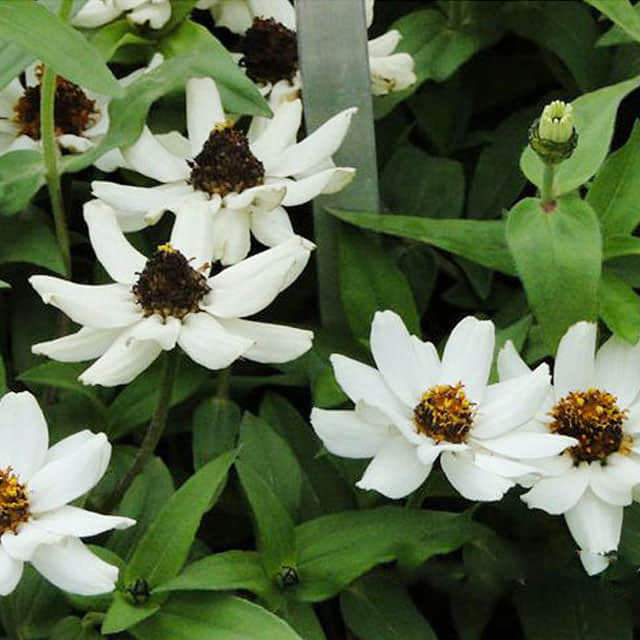
Why does your Zinnia marylandica have leggy stems? Diagnose the cause and fix it with our step-by-step guide.

pets Pet Friendly

search Possible Causes

error

Insufficient Light (Etiolation)

Zinnias are sun-loving annuals that require at least 6 to 8 hours of direct sunlight daily. When light levels are low, the plant rapidly elongates its internodes in an attempt to reach a light source, resulting in weak, spindly stems.

Very Common
lightbulb
How to confirm: Observe if the plant is growing toward a window or if it is located in a shaded area of the garden.
build How to fix it
shopping_cart Recommended Products
1 Move your Zinnia to a location that receives at least 6 to 8 hours of direct sunlight daily to stop further stem elongation.
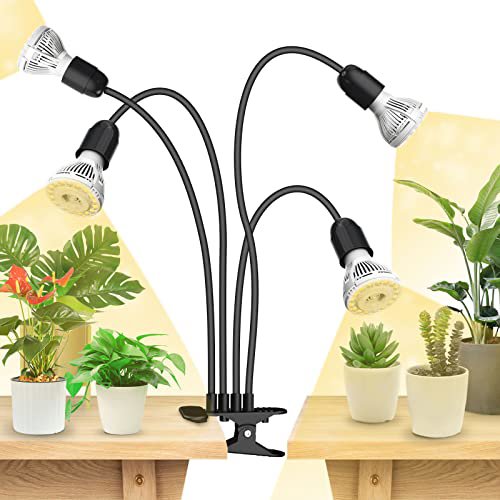
2 If natural sunlight is insufficient, supplement with a full-spectrum grow light to provide the necessary intensity for sturdy growth.
3 Gently pinch back the elongated stems to encourage lateral branching and a bushier plant structure.
warning

Excessive Nitrogen Fertilization

High levels of nitrogen promote rapid vegetative growth, which can cause Zinnia stems to grow too quickly and lose structural integrity. This results in lush green foliage but weak, floppy stems that cannot support the weight of flowers.

Common
lightbulb
How to confirm: Check your fertilizer label for a high first number (N) and see if recent applications coincided with the legginess.
build How to fix it
shopping_cart Recommended Products
1 Stop all nitrogen-rich fertilization immediately to prevent further rapid, weak growth.
2 Flush the soil with plenty of fresh water to leach out excess nitrogen salts from the root zone.
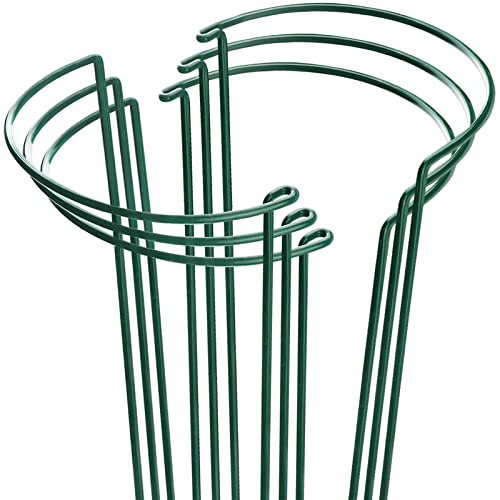
3 Prune back the leggy stems to a more compact height and provide physical support using stakes to prevent further flopping.
warning

High Planting Density

If Maryland Zinnias are planted too closely together, competition for light and airflow causes individual plants to stretch upward. This lack of spacing reduces the plant's ability to develop thick, sturdy stems.

Common
lightbulb
How to confirm: Measure the distance between your plants to ensure they have adequate room to expand without overlapping foliage.
build How to fix it
shopping_cart Recommended Products
1 Thin out the crowded plants by removing the weakest, leggy stems to increase space and airflow between remaining individuals.
2 Relocate the remaining plants to a location with more direct sunlight to prevent further stretching and encourage sturdy stem development.
3 If moving them to a container, repot the thinned plants into a larger space with well-draining soil to reduce competition.
warning

Temperature-Induced Rapid Growth

Sudden spikes in temperature during the early growth stages can trigger rapid cell elongation. If the plant experiences warmth without sufficient light, it will produce long, thin stems prone to lodging.

Common
lightbulb
How to confirm: Review local weather patterns to see if a recent heatwave occurred during the seedling or transplant stage.
build How to fix it
shopping_cart Recommended Products
1 Increase light exposure to provide the energy needed for thicker, sturdier stem development.
2 Provide physical support to the elongated stems using stakes to prevent them from bending or breaking.
3 Monitor soil moisture levels closely, as rapid growth can lead to faster dehydration.

Other Zinnia marylandica problems

Your plant might also be experiencing one of these issues:

local_hospital All symptoms eco All plants with leggy stems
favorite