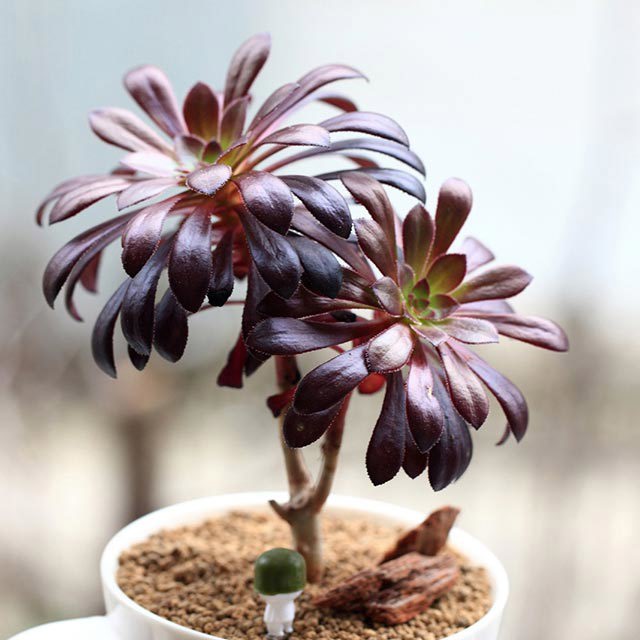
Aeonium arboreum Atropurpureum Leggy Stems
eco Leggy Stems

Aeonium arboreum Atropurpureum – Leggy Stems

Why does your Aeonium arboreum Atropurpureum have leggy stems? Diagnose the cause and fix it with our step-by-step guide.

search Possible Causes

error

Insufficient Light Exposure

As a succulent, Aeonium arboreum requires bright light to maintain compact growth; low light levels trigger etiolation, causing the stems to stretch excessively toward any available light source.

Very Common
lightbulb
How to confirm: Observe if the internodes (the space between leaf clusters) are significantly longer than they were during periods of high light.
build How to fix it
shopping_cart Recommended Products
1 Move your Aeonium to a location with much brighter, indirect sunlight or a spot that receives several hours of direct morning sun to stop further stretching.
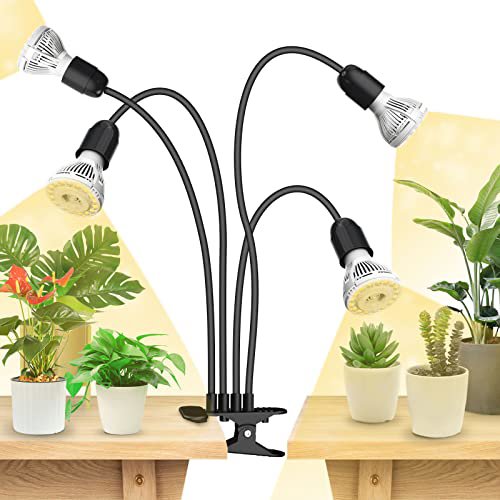
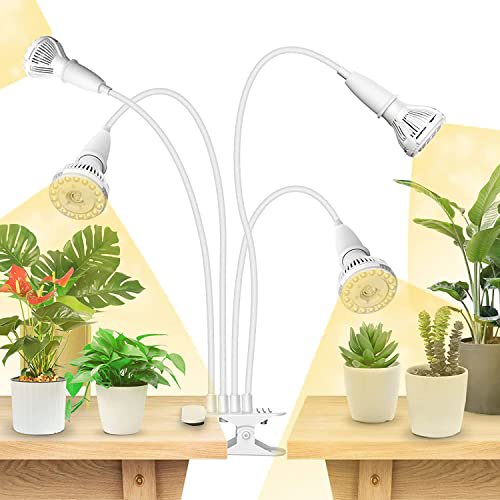
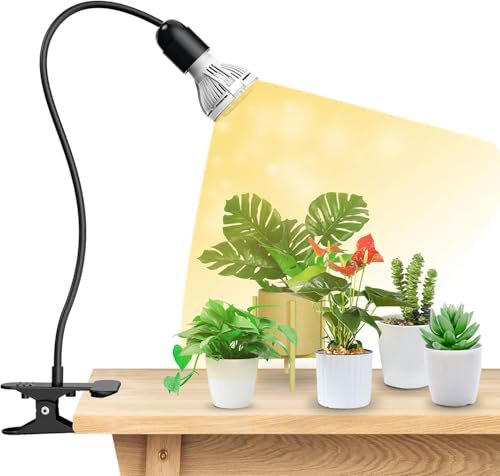
2 If natural light is insufficient, supplement with a full-spectrum LED grow light to provide the necessary intensity for compact growth.
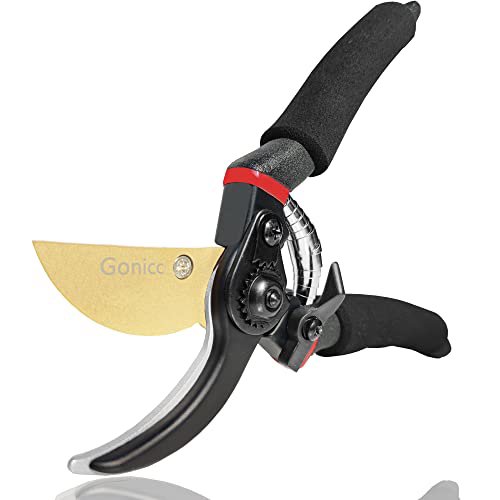
3 Prune the excessively elongated, leggy stems using sharp, clean shears to encourage a more compact, rosette-shaped growth habit.
error

Overwatering and Root Stress

Excessive moisture in the substrate can lead to weakened cell structure and root decay, making the stems unable to support the weight of the rosette, resulting in a 'floppy' or leggy appearance.

Very Common
lightbulb
How to confirm: Check if the soil remains damp for more than a week and inspect the base of the stem for any signs of softening or dark discoloration.
build How to fix it
shopping_cart Recommended Products
1 Immediately reduce watering frequency and allow the substrate to dry out completely between waterings to prevent further root decay.
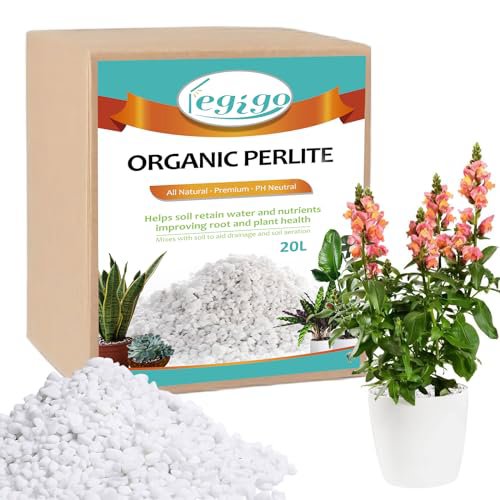
2 Repot the plant in a well-draining, gritty substrate to improve aeration and prevent moisture retention around the roots.
3 Prune away any mushy or blackened stems caused by rot to prevent the spread of decay to the healthy rosette.
warning

Natural Growth Cycle (Maturation)

Aeoniums are naturally somewhat stem-forming plants; as they age, it is biologically normal for the main stem to elongate and develop a tree-like structure.

Common
lightbulb
How to confirm: Compare the current growth pattern to the plant's previous years to see if the elongation follows a consistent, steady upward trajectory rather than rapid stretching.
build How to fix it
shopping_cart Recommended Products
1 Monitor the plant's light exposure to ensure it is receiving sufficient bright, indirect sunlight to prevent further stretching.
2 Provide structural support using a stake to help the elongating stem maintain its upright position.
3 If the stem becomes too long, you can propagate new offsets from the top rosette to create fresh, compact plants.
warning

Temperature Fluctuations

Extreme heat combined with high humidity can cause the plant to stretch rapidly during its growth phase, leading to less dense foliage and longer stems.

Common
lightbulb
How to confirm: Monitor if the legginess coincides with recent heatwaves or periods of high indoor humidity.
build How to fix it
shopping_cart Recommended Products
1 Stabilize the environment by moving the plant to a location with consistent temperatures, avoiding areas prone to sudden heat or humidity spikes.
2 Supplement with supplemental lighting to encourage denser, more compact growth and prevent further stretching.
3 Prune the elongated, leggy stems using sharp, clean shears to encourage new, bushier growth from the base.

Other Aeonium arboreum Atropurpureum problems

Your plant might also be experiencing one of these issues:

local_hospital All symptoms eco All plants with leggy stems
favorite