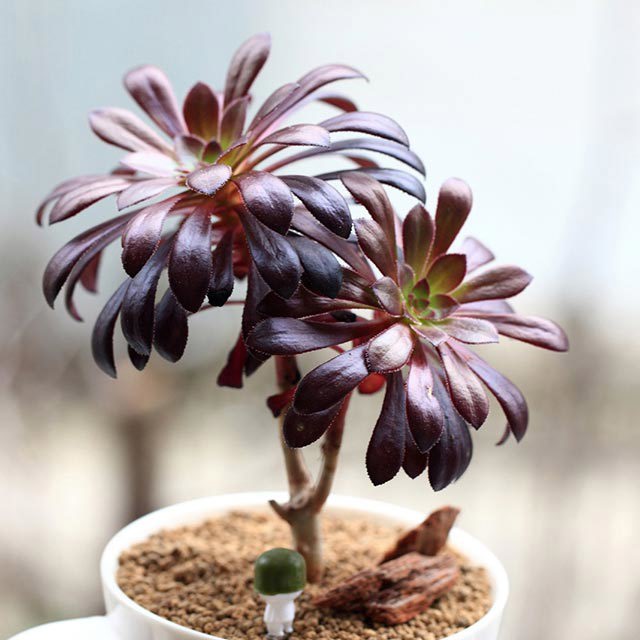
Aeonium arboreum Atropurpureum Yellow Leaves
eco Yellow Leaves

Aeonium arboreum Atropurpureum – Yellow Leaves

Why does your Aeonium arboreum Atropurpureum have yellow leaves? Diagnose the cause and fix it with our step-by-step guide.

search Possible Causes

error

Overwatering and Root Rot

Aeoniums are succulents that store water in their leaves; excessive moisture leads to oxygen deprivation in the soil, causing roots to decay and yellowing the foliage. This is the most common cause of leaf discoloration in Aeonium arboreum.

Very Common
lightbulb
How to confirm: Gently pull on a leaf to see if it detaches too easily and check if the base of the stem feels soft or mushy.
build How to fix it
shopping_cart Recommended Products
1 Immediately remove the plant from its current container and inspect the roots for any mushy, black, or foul-smelling decay; prune away all damaged roots using sterilized tools.
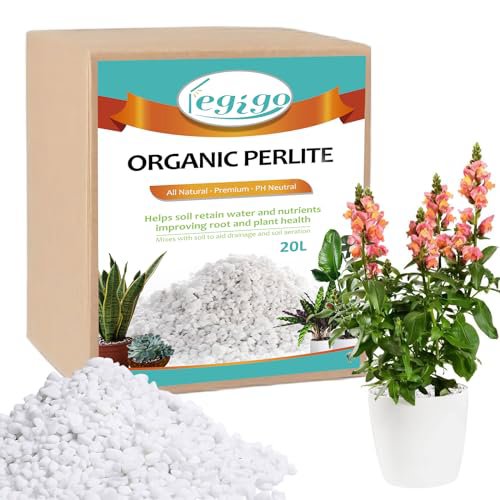
2 Repot the Aeonium in a well-draining, succulent-specific medium, incorporating perlite to increase aeration and prevent future waterlogging.
3 Switch to a pot with excellent drainage and use a moisture meter to ensure the soil is completely dry before watering again.
warning

Nutrient Deficiency (Nitrogen)

A lack of available nitrogen prevents the plant from producing chlorophyll, leading to a pale yellow appearance in older leaves first. This often occurs if the potting medium has become depleted over time.

Common
lightbulb
How to confirm: Observe if the yellowing starts on the oldest, lowest leaves while the new growth remains dark purple.
build How to fix it
shopping_cart Recommended Products
1 Apply a nitrogen-rich organic fertilizer to replenish the depleted soil nutrients and restore chlorophyll production.
2 Check the soil moisture levels using a moisture meter to ensure the nitrogen is being effectively delivered to the roots without causing rot.
3 Refresh the potting medium with a new, nutrient-dense organic soil to provide long-term nitrogen availability.
warning

Temperature Stress (Heat or Frost)

Extreme temperatures can shock the plant's metabolism. Intense summer heat can cause yellowing/bleaching in the 'Atropurpureum' cultivar, while sudden frost can damage cell walls, leading to yellow, limp leaves.

Common
lightbulb
How to confirm: Check if the yellowing coincided with a recent heatwave or a drop in nighttime temperatures below 4°C (40°F).
build How to fix it
shopping_cart Recommended Products
1 Relocate the plant to a sheltered area with stable temperatures, away from direct summer sun or freezing drafts, to mitigate metabolic shock.
2 Monitor soil moisture levels closely using a moisture meter to ensure the plant is not experiencing drought stress alongside temperature fluctuations.
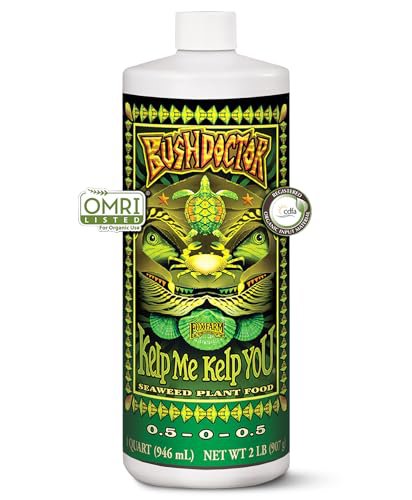
3 Apply a diluted liquid seaweed fertilizer to help the plant recover from environmental stress and boost nutrient uptake.
warning

Light Deprivation

While Aeoniums love sun, insufficient light can cause the plant to lose its deep purple pigment and turn a sickly yellow-green as it struggles to photosynthesize effectively.

Common
lightbulb
How to confirm: Monitor if the stem is becoming elongated (etiolated) and the leaves are losing their characteristic dark red/purple hue.
build How to fix it
shopping_cart Recommended Products
1 Relocate your Aeonium to a spot with much brighter, indirect light or several hours of direct morning sun to restore its purple pigmentation.
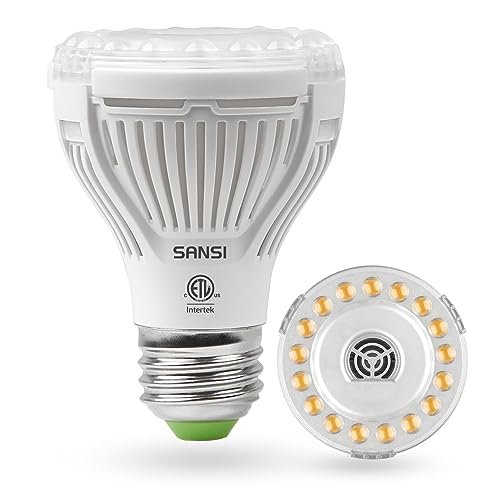
2 Supplement with a full-spectrum grow light to ensure the plant receives enough energy for effective photosynthesis.
3 Monitor the soil moisture closely, as insufficient light often leads to slower water evaporation and potential root issues.

Other Aeonium arboreum Atropurpureum problems

Your plant might also be experiencing one of these issues:

local_hospital All symptoms eco All plants with yellow leaves
favorite