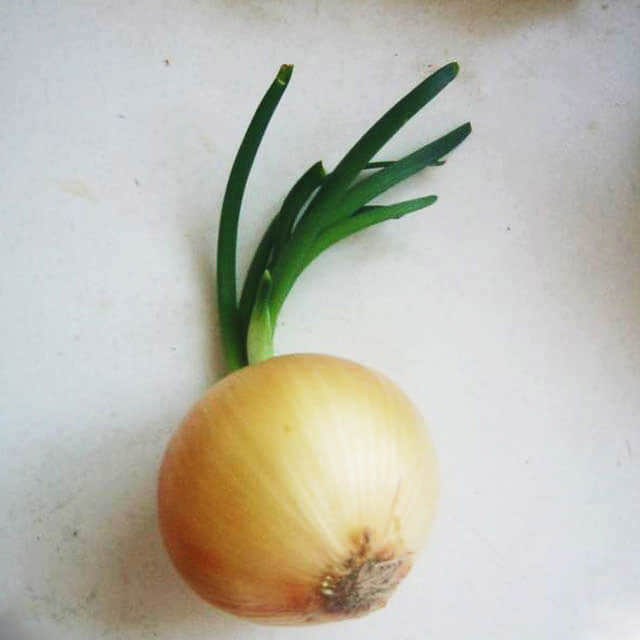
Allium cepa Brown Leaf Tips
eco Brown Leaf Tips

Allium cepa – Brown Leaf Tips

Why does your Allium cepa have brown leaf tips? Diagnose the cause and fix it with our step-by-step guide.

search Possible Causes

error

Water Stress (Drought or Fluctuating Moisture)

Onions have shallow root systems and are highly sensitive to moisture fluctuations. When soil dries out too quickly, the leaf tips lose turgor pressure and undergo necrosis.

Very Common
lightbulb
How to confirm: Check if the soil surface is cracked or significantly dry several inches below the surface.
build How to fix it
shopping_cart Recommended Products
1 Ensure consistent soil moisture by checking the soil depth with a moisture meter to prevent the rapid drying cycles that cause tip necrosis.
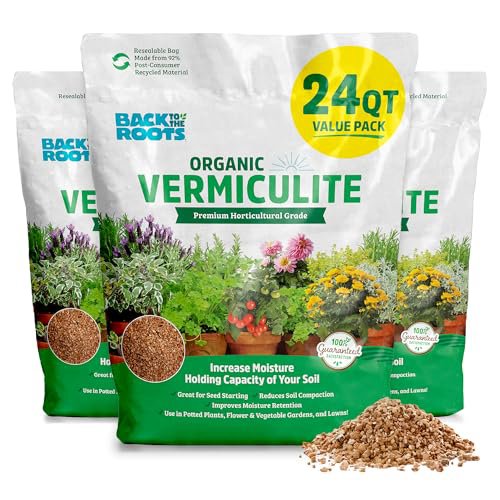
2 Apply a layer of organic mulch or vermiculite to the soil surface to help retain moisture and stabilize the root zone temperature.
3 Mulch the base of the onion plants with organic matter to reduce evaporation and protect the shallow root system from drought stress.
error

Nutrient Deficiency (Potassium)

Potassium deficiency in Allium cepa often manifests as chlorosis followed by browning at the leaf tips and margins. This nutrient is critical for osmotic regulation and water use efficiency in bulbs.

Very Common
lightbulb
How to confirm: Observe if the browning starts specifically at the edges of the leaves moving inward toward the center.
build How to fix it
shopping_cart Recommended Products
1 Apply a potassium-rich organic fertilizer to the soil to restore essential nutrient levels for osmotic regulation.
2 Supplement the soil with organic worm castings to improve nutrient availability and overall soil health.
3 Monitor soil moisture levels using an analog meter to ensure consistent hydration, preventing further tip burn.
warning

Salt Accumulation (Soil Salinity)

Onions are sensitive to high salt concentrations in the soil, which causes osmotic stress. Excessive fertilizer use or saline irrigation water pulls moisture out of the leaf tips, causing 'tip burn.'

Common
lightbulb
How to confirm: Check for a white, crusty residue on the soil surface near the base of the onion plants.
build How to fix it
shopping_cart Recommended Products
1 Flush the soil thoroughly with large amounts of fresh, low-salinity water to leach accumulated mineral salts away from the root zone.
2 Reduce the frequency of fertilization and avoid high-salt fertilizers to prevent further osmotic stress.
3 Monitor soil moisture levels closely to ensure consistent hydration without overwatering, which can exacerbate salt concentration.
warning

Ascochyta Leaf Blight

This fungal pathogen causes necrotic lesions that often begin at the tips or edges of the leaves. It thrives in humid conditions and can rapidly spread through the onion foliage.

Common
lightbulb
How to confirm: Inspect the brown areas for small, dark fungal fruiting bodies (pycnidia) embedded in the lesion.
build How to fix it
shopping_cart Recommended Products
1 Remove and destroy all infected foliage immediately to prevent the fungal spores from spreading to healthy plants.
2 Apply an organic fungicide to protect remaining healthy tissue and manage the spread of the blight.
3 Improve air circulation around the plants and avoid overhead watering to reduce the humidity that promotes fungal growth.

Other Allium cepa problems

Your plant might also be experiencing one of these issues:

local_hospital All symptoms eco All plants with brown leaf tips
favorite