Allium cepa Tiny Black Flies
eco Tiny Black Flies

Allium cepa – Tiny Black Flies

Why does your Allium cepa have tiny black flies? Diagnose the cause and fix it with our step-by-step guide.

search Possible Causes

error

Fungus Gnats (Sciaridae)

The larvae of these flies live in the moist soil around onion bulbs and feed on organic matter or fine root hairs, which can weaken the plant's ability to absorb nutrients. The adults are attracted to the high moisture levels often required for onion bulb development.

Very Common
lightbulb
How to confirm: Set up a yellow sticky trap near the base of the onion plants to see if small dark flies are captured.
build How to fix it
shopping_cart Recommended Products
1 Deploy yellow sticky traps to capture adult flies and break the reproductive cycle.
2 Reduce watering frequency and allow the top inch of soil to dry out to eliminate the moist environment larvae need to thrive.
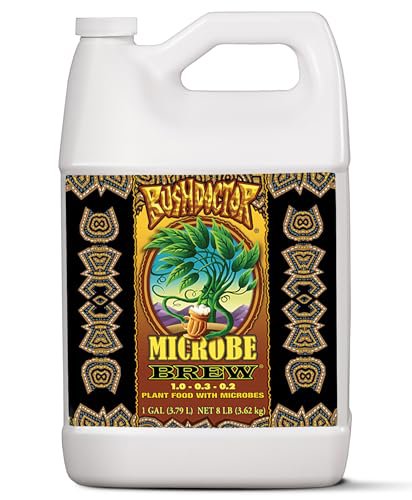
3 Apply a microbial-based soil treatment to target larvae and promote a healthier root zone.
warning

Onion Scab (Albugo cepae) secondary attraction

While Albugo is an oomycete pathogen, the presence of decaying organic matter or necrotic tissue caused by fungal infections can attract various small dipterans to the area. The flies themselves are not the primary cause of the disease but thrive in the environment created by it.

Common
lightbulb
How to confirm: Inspect the onion leaves for white, powdery patches or irregular lesions that might be providing a food source for insects.
build How to fix it
shopping_cart Recommended Products
1 Remove and destroy all infected onion plants and surrounding necrotic plant debris to eliminate the breeding ground for flies and the primary source of the pathogen.
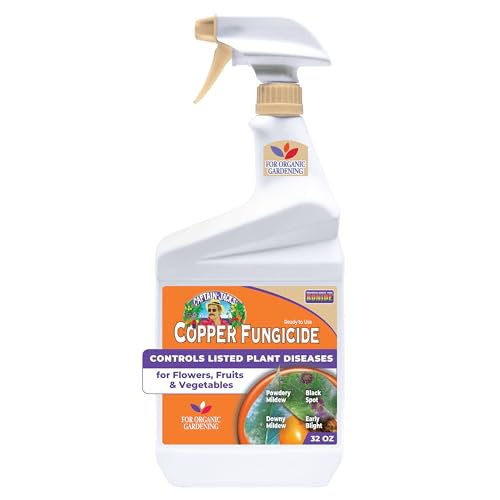
2 Apply an organic fungicide to protect healthy plants from the Albugo pathogen and prevent further spread of the infection.
3 Use yellow sticky traps to capture the adult flies and reduce their population in the immediate growing area.
warning

Fruit Flies (Drosophilidae) attracted to rotting bulbs

If onion bulbs are beginning to rot due to moisture stress or fungal pathogens, the fermentation of decaying sugars attracts small flies. This is a secondary symptom of underlying bulb rot rather than an initial infestation.

Common
lightbulb
How to confirm: Gently lift a nearby onion bulb to check if the base is soft, slimy, or emitting an odor of decay.
build How to fix it
shopping_cart Recommended Products
1 Inspect the onion bulbs for soft, mushy, or foul-smelling areas and remove any rotting bulbs immediately to stop the source of attraction.
2 Apply a biological control to manage the existing fly population and prevent further spread of decay.
3 Adjust watering habits to prevent moisture stress and use a moisture meter to ensure the soil is not staying too wet.

Other Allium cepa problems

Your plant might also be experiencing one of these issues:

local_hospital All symptoms eco All plants with tiny black flies
favorite