Allium cepa Leggy Stems
eco Leggy Stems

Allium cepa – Leggy Stems

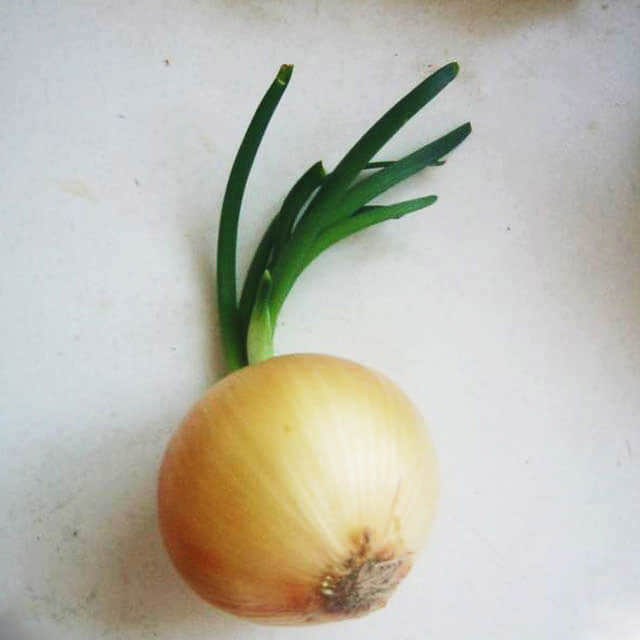
Why does your Allium cepa have leggy stems? Diagnose the cause and fix it with our step-by-step guide.

search Possible Causes

error

Insufficient Light Intensity

Onion seedlings undergo etiolation when they cannot photosynthesize enough to support structural integrity. This causes the plant to rapidly elongate cells in an attempt to reach a light source, resulting in weak, pale, and spindly stems.

Very Common
lightbulb
How to confirm: Observe if the seedlings are leaning toward a window or if the growth has accelerated significantly during cloudy periods.
build How to fix it
shopping_cart Recommended Products
1 Increase light intensity immediately by placing the seedlings closer to a light source or using a full-spectrum grow light to halt etiolation.
2 Provide consistent supplemental lighting for 12-16 hours a day to ensure the seedlings can photosynthesize enough to strengthen their stems.
3 Gently firm the soil around the base of the stems to provide physical support and prevent the weak stalks from collapsing.
error

Excessive Nitrogen Fertilization

High levels of available nitrogen, particularly in soluble forms, promote rapid vegetative growth at the expense of cell wall strength. In Allium cepa, this leads to succulent, elongated tissues that lack the rigidity needed to stand upright.

Very Common
lightbulb
How to confirm: Check if you have applied a high-nitrogen fertilizer or compost tea recently and look for deep dark green foliage.
build How to fix it
shopping_cart Recommended Products
1 Immediately cease all nitrogen-rich fertilization to prevent further succulent, weak growth.
2 Flush the soil with plenty of fresh water to leach out excess soluble nitrogen salts from the root zone.
3 Supplement the soil with a calcium-rich amendment to help strengthen cell walls and improve structural rigidity.
warning

High Soil Moisture/Overwatering

Constant saturation of the growing medium reduces oxygen availability to the roots, causing inefficient nutrient uptake. This stress can trigger rapid, weak growth spurts as the plant's physiological regulation fails.

Common
lightbulb
How to confirm: Stick your finger into the soil up to the second knuckle to see if it remains muddy long after watering.
build How to fix it
shopping_cart Recommended Products
1 Immediately reduce watering frequency and allow the top inch of soil to dry out completely before watering again to restore oxygen to the root zone.
2 Repot the onion in a well-draining medium amended with perlite to improve aeration and prevent future saturation.
3 Ensure the plant is in a location with adequate sunlight to help strengthen the stems and prevent further stretching.
warning

Temperature Extremes (Heat Stress)

Rapidly rising temperatures can trigger an accelerated growth cycle in onion seedlings, causing them to stretch before they can develop robust root systems. This mimics the effects of etiolation by forcing rapid cell elongation.

Common
lightbulb
How to confirm: Monitor whether the legginess coincided with a sudden heatwave or unseasonal warm nights.
build How to fix it
shopping_cart Recommended Products
1 Relocate the seedlings to a cooler environment or provide afternoon shade to mitigate heat stress and slow down rapid cell elongation.
2 Supplement with a full-spectrum light source to provide the necessary energy for robust stem development and prevent further stretching.
3 Monitor soil moisture closely to ensure the roots remain hydrated during temperature spikes, using a moisture meter to prevent dehydration.

Other Allium cepa problems

Your plant might also be experiencing one of these issues:

local_hospital All symptoms eco All plants with leggy stems
favorite