Alocasia macrorrhizos Leggy Stems
eco Leggy Stems

Alocasia macrorrhizos – Leggy Stems

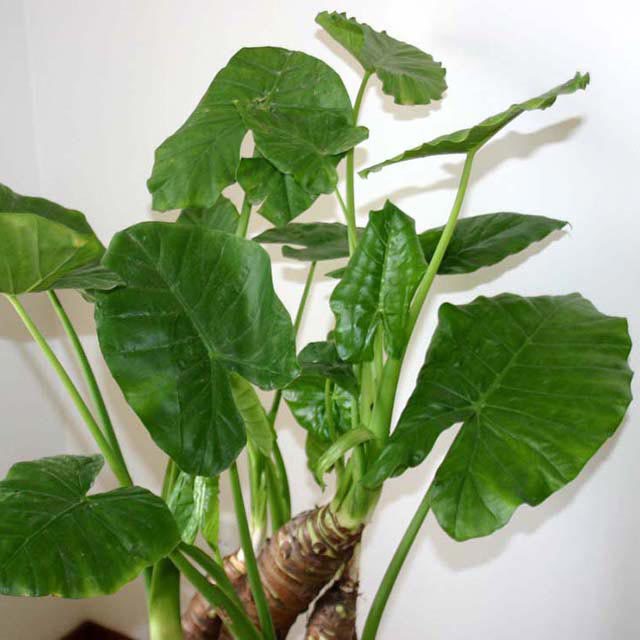
Why does your Alocasia macrorrhizos have leggy stems? Diagnose the cause and fix it with our step-by-step guide.

search Possible Causes

error

Insufficient Light Intensity

Alocasia macrorrhizos is a shade-tolerant plant that will undergo etiolation (stretching) to reach for more light. When the light levels are too low, the petioles grow excessively long and weak in an attempt to find brighter conditions.

Very Common
lightbulb
How to confirm: Observe if the leaves are growing far apart on elongated stems and move the plant closer to a bright, indirect light source.
build How to fix it
shopping_cart Recommended Products
1 Move your Alocasia to a location with brighter, indirect light to stop the stems from stretching further.
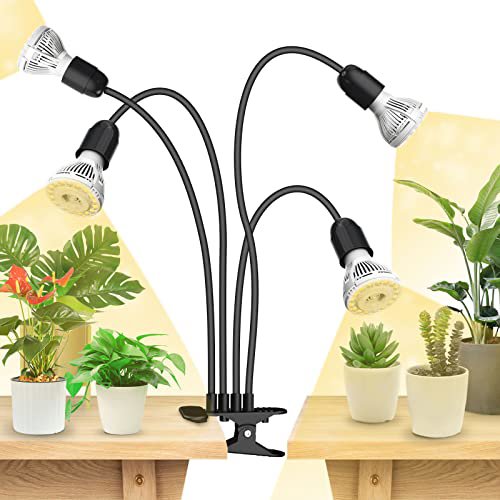
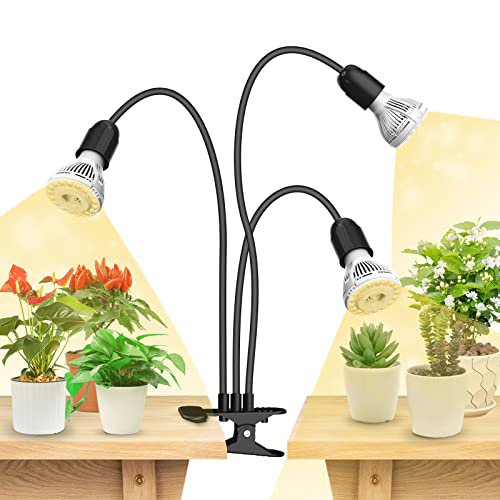
2 Supplement with a full-spectrum LED grow light to provide the necessary intensity for healthy, compact growth.
3 Gently prune any excessively weak or collapsed stems using sterilized shears to prevent rot and encourage new, sturdy growth.
warning

Excessive Nitrogen (Over-fertilization)

High levels of nitrogen in the soil can promote rapid, succulent vegetative growth that lacks structural integrity. This results in large, thin leaves supported by floppy, leggy petioles.

Common
lightbulb
How to confirm: Check if you have recently applied a high-nitrogen fertilizer and look for unusually dark green but weak foliage.
build How to fix it
shopping_cart Recommended Products
1 Flush the soil with plenty of fresh, room-temperature water to leach out excess nitrogen salts from the root zone.
2 Repot the plant in fresh, well-draining potting soil to provide a new nutrient balance and improve structural support.
3 Reduce fertilizer frequency and switch to a balanced or lower-nitrogen formula to encourage sturdier growth.
warning

Inappropriate Humidity Levels

While low humidity doesn't directly cause stem stretching, it often accompanies poor light environments. The lack of transpiration-driven structural tension in the petioles can make them appear more limp and leggy.

Common
lightbulb
How to confirm: Use a hygrometer to check if your environment is below 60% humidity, which is ideal for this species.
build How to fix it
shopping_cart Recommended Products
1 Increase ambient humidity around the plant to prevent moisture loss and maintain structural tension in the petioles.
2 Provide supplemental lighting to prevent the plant from stretching toward light sources, ensuring the leaves receive adequate energy.
3 Monitor soil moisture levels closely with a meter to ensure the plant is not experiencing drought stress, which can exacerbate limpness.

Other Alocasia macrorrhizos problems

Your plant might also be experiencing one of these issues:

local_hospital All symptoms eco All plants with leggy stems
favorite