Alocasia macrorrhizos Yellow Leaves
eco Yellow Leaves

Alocasia macrorrhizos – Yellow Leaves

Why does your Alocasia macrorrhizos have yellow leaves? Diagnose the cause and fix it with our step-by-step guide.

search Possible Causes

error

Overwatering and Root Rot

Alocasia macrorrhizos is highly susceptible to fungal pathogens like Phytophthora if the substrate remains saturated. Excess moisture deprives roots of oxygen, causing cell death and characteristic yellowing that often starts with older leaves.

Very Common
lightbulb
How to confirm: Gently lift the plant from its pot to check if the roots are dark brown and slimy instead of firm and white.
build How to fix it
shopping_cart Recommended Products
1 Immediately stop watering and allow the soil to dry out completely. Use a moisture meter to monitor the substrate and ensure the root zone is not staying saturated.
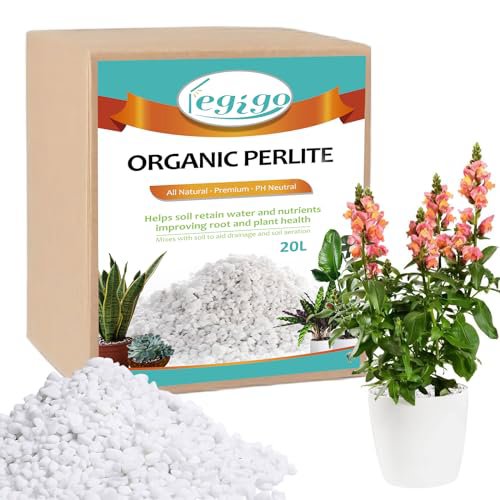
2 Repot the plant in a well-draining, airy medium. Mix in perlite or horticultural leca to improve aeration and prevent future oxygen deprivation.
3 Inspect the roots for mushy, dark brown decay. Trim away any rotten roots using sterilized shears and repot in a container with proper drainage.
error

Nutrient Deficiency (Nitrogen or Magnesium)

As heavy feeders, Giant Alocasias require consistent fertilization. A lack of nitrogen causes uniform yellowing of older leaves, while magnesium deficiency often presents as chlorosis between the leaf veins.

Very Common
lightbulb
How to confirm: Check if the yellowing pattern follows the leaf veins or if it is spreading uniformly across the entire leaf surface.
build How to fix it
shopping_cart Recommended Products
1 Apply a balanced liquid fertilizer to provide immediate nitrogen and magnesium uptake for the plant.
2 Supplement with a magnesium-rich additive to specifically target interveinal chlorosis if yellowing appears between veins.
3 Monitor soil moisture levels using a moisture meter to ensure the deficiency isn't being masked by overwatering.
warning

Low Humidity / Environmental Stress

This tropical species thrives in high humidity; dry indoor air can cause the edges of the leaves to yellow and crisp. Sudden changes in temperature or drafts can also trigger a stress response in large foliage.

Common
lightbulb
How to confirm: Monitor if the yellowing is accompanied by crispy, brown leaf margins during periods of low household humidity.
build How to fix it
shopping_cart Recommended Products
1 Increase local humidity around the plant by using a pebble tray or a fine misting tool to keep the air moist.
2 Relocate the plant away from cold drafts, air conditioning vents, or heating units to stabilize the environment.
3 Monitor soil moisture levels closely to ensure the plant is not experiencing secondary stress from overwatering during this period.
warning

Light Stress (Sunscald)

While they love bright light, direct midday sun can scorch the large surface area of Alocasia macrorrhizos leaves. This thermal damage manifests as yellow or bleached patches on the parts of the leaf most exposed to the sun.

Common
lightbulb
How to confirm: Look for localized yellow patches specifically on the sections of the leaves facing the nearest window.
build How to fix it
shopping_cart Recommended Products
1 Move the plant to a location with bright, indirect light to prevent further sunscald on the large leaf surfaces.
2 Trim away any severely bleached or dead yellow leaves using sterilized pruning shears to prevent potential rot.
3 Monitor soil moisture levels closely, as sun-stressed plants may require more consistent hydration to recover.

Other Alocasia macrorrhizos problems

Your plant might also be experiencing one of these issues:

local_hospital All symptoms eco All plants with yellow leaves
favorite