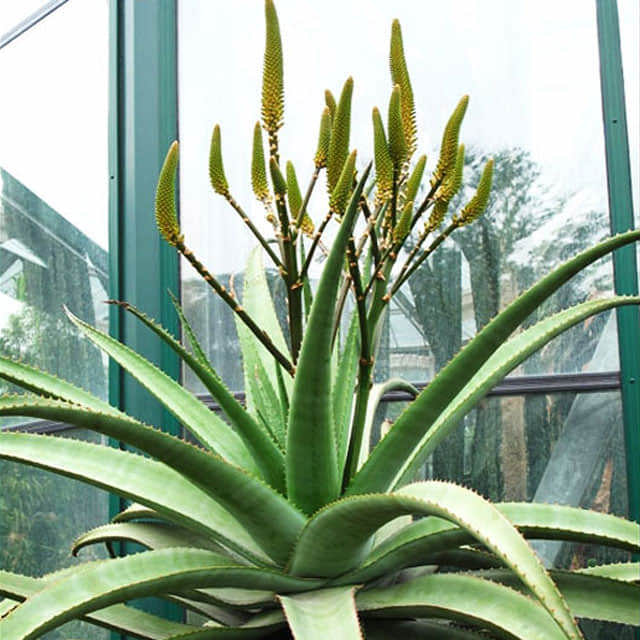
Aloe marlothii Drooping Leaves
eco Drooping Leaves

Aloe marlothii – Drooping Leaves

Why does your Aloe marlothii have drooping leaves? Diagnose the cause and fix it with our step-by-step guide.

search Possible Causes

error

Overwatering and Root Rot

Excessive moisture in the substrate causes oxygen deprivation in the roots, leading to fungal decay. For Aloe marlothii, this prevents the plant from absorbing water, causing the leaves to lose turgor pressure and droop.

Very Common
lightbulb
How to confirm: Gently lift the plant from its pot to check if the roots are dark, mushy, or emit a foul odor.
build How to fix it
shopping_cart Recommended Products
1 Immediately remove the plant from its current container and discard the waterlogged soil to stop the decay process.
2 Prune away any mushy, black, or foul-smelling roots using sterilized tools and repot the Aloe in a well-draining, gritty substrate.
3 Use a moisture meter to monitor the substrate, ensuring you only water when the soil is completely dry to prevent future root rot.
error

Dehydration (Underwatering)

As a succulent, Aloe marlothii stores water in its leaves; when the soil remains dry for too long, the plant consumes its internal reserves. This results in visible shriveling and drooping of the lower leaves.

Very Common
lightbulb
How to confirm: Check if the soil is pulling away from the edges of the pot and if the leaves feel thin and wrinkled.
build How to fix it
shopping_cart Recommended Products
1 Check the soil moisture level deeply with a probe to confirm the extent of the dehydration.
2 Thoroughly soak the soil with water until it drains from the bottom of the pot, ensuring the root ball is fully saturated.
3 Ensure the plant is in a container with excellent drainage to prevent water from pooling, which could lead to rot once rehydrated.
warning

Temperature Stress (Frost Damage)

While hardy, extreme cold or frost can damage the cellular structure of Aloe marlothii leaves. This tissue damage leads to a loss of structural integrity and subsequent drooping.

Common
lightbulb
How to confirm: Look for blackened or translucent soft spots on the edges of the leaves following a cold snap.
build How to fix it
shopping_cart Recommended Products
1 Immediately move the plant to a warmer, frost-free environment or provide heavy insulation/frost blankets if it must remain outdoors.
2 Prune away any leaves that have turned mushy or black due to frost damage to prevent rot from spreading to the core.
3 Monitor soil moisture closely with a meter to ensure the plant is not being overwatered while in a stressed, dormant state.
warning

Nutrient Deficiency (Nitrogen/Magnesium)

A lack of essential minerals prevents the plant from maintaining strong cell walls and chlorophyll production. This can cause the heavy, architectural leaves of the Aloe to sag.

Common
lightbulb
How to confirm: Observe if the drooping is accompanied by yellowing (chlorosis) starting from the leaf tips or base.
build How to fix it
shopping_cart Recommended Products
1 Apply a liquid seaweed fertilizer to boost nutrient uptake and support cell wall strength.
2 Supplement with a calcium and magnesium fertilizer to specifically address potential magnesium deficiencies and strengthen leaf structure.
3 Monitor soil moisture levels using an analog meter to ensure the drooping isn't actually caused by underwatering.

Other Aloe marlothii problems

Your plant might also be experiencing one of these issues:

local_hospital All symptoms eco All plants with drooping leaves
favorite