Aloe marlothii Yellow Leaves
eco Yellow Leaves

Aloe marlothii – Yellow Leaves

Why does your Aloe marlothii have yellow leaves? Diagnose the cause and fix it with our step-by-step guide.

search Possible Causes

error

Overwatering and Root Rot

Aloe marlothii is a succulent adapted to arid environments; excess moisture causes the roots to suffocate, leading to chlorosis (yellowing) as the plant's vascular system fails. This often manifests first in the lower, older leaves.

Very Common
lightbulb
How to confirm: Press the base of the stem or leaves; if they feel soft, mushy, or smell of decay, it is likely root rot.
build How to fix it
shopping_cart Recommended Products
1 Immediately remove the plant from its current container and inspect the roots for any mushy, dark, or foul-smelling rot; prune away all decayed root tissue using sterilized tools.
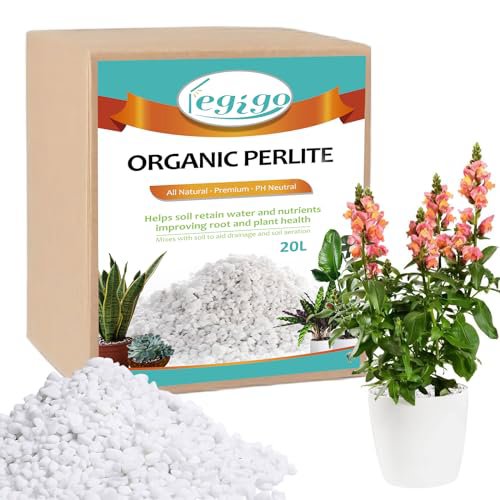
2 Repot the Aloe in a well-draining, gritty substrate specifically designed for succulents to ensure moisture does not linger around the root zone.
3 Use a moisture meter to monitor the soil, ensuring you only water when the substrate is completely dry to prevent future overwatering.
warning

Nutrient Deficiency (Nitrogen/Magnesium)

A lack of essential macronutrients like nitrogen can cause older leaves to turn pale yellow as the plant mobilizes nutrients to new growth. This is common in depleted, sandy soils used for succulents.

Common
lightbulb
How to confirm: Observe if the yellowing started strictly on the oldest, bottom-most leaves while newer growth remains green.
build How to fix it
shopping_cart Recommended Products
1 Apply a balanced liquid fertilizer to replenish nitrogen and magnesium levels in the soil.
2 Supplement with a calcium and magnesium fertilizer to strengthen cell walls and prevent further yellowing.
3 Check the soil drainage; ensure the plant is in a well-draining medium like a succulent mix containing perlite to prevent nutrient lockout from overwatering.
warning

Sunburn (Photo-oxidation)

While highly sun-tolerant, sudden exposure to intense direct UV rays without acclimation can damage chlorophyll in the leaf tissue, causing bleached or yellowish patches.

Common
lightbulb
How to confirm: Check if the yellowing is localized to specific patches on the side of the plant facing the most intense light.
build How to fix it
shopping_cart Recommended Products
1 Move the plant to a location with bright, indirect sunlight to prevent further UV damage while it recovers.
2 Gradually acclimate the plant to direct sunlight by increasing exposure time by only an hour or two each week.
3 Monitor soil moisture levels to ensure the plant is not also experiencing heat stress from drying out too quickly.
warning

Temperature Stress (Cold Damage)

Extreme drops in temperature below the species' tolerance threshold can disrupt metabolic processes, causing the thick leaves to lose their green pigment and turn yellow or translucent.

Common
lightbulb
How to confirm: Check if the yellowing coincided with a recent frost or a significant drop in nighttime temperatures.
build How to fix it
shopping_cart Recommended Products
1 Move the plant to a warmer, sheltered location away from cold drafts or freezing temperatures to stabilize its metabolism.
2 Monitor soil moisture closely using a moisture meter to ensure the plant is not being overwatered while in a stressed, dormant state.
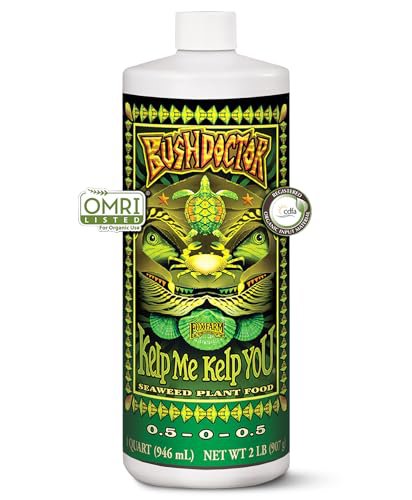
3 Apply a diluted liquid seaweed fertilizer to help the plant recover from environmental stress and boost nutrient uptake.

Other Aloe marlothii problems

Your plant might also be experiencing one of these issues:

local_hospital All symptoms eco All plants with yellow leaves
favorite