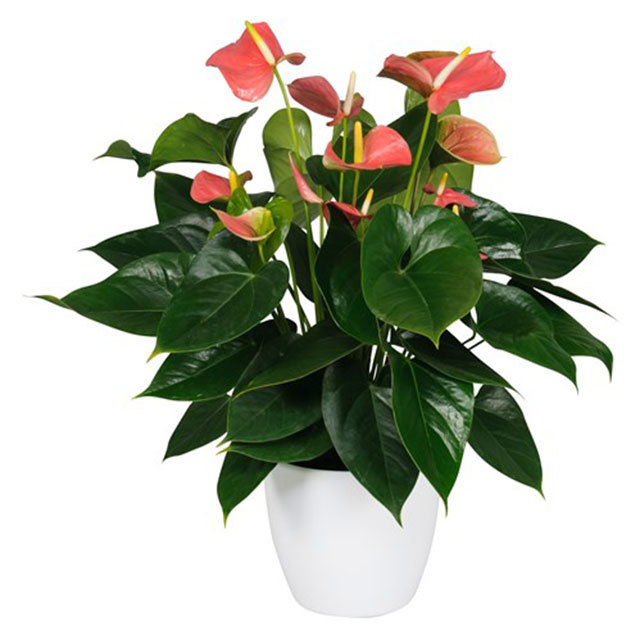
Anthurium andraeanum Amis Sudden Leaf Drop
eco Sudden Leaf Drop

Anthurium andraeanum Amis – Sudden Leaf Drop

Why does your Anthurium andraeanum Amis have sudden leaf drop? Diagnose the cause and fix it with our step-by-step guide.

search Possible Causes

error

Root Rot due to Overwatering

Anthuriums are sensitive to stagnant water; excessive moisture leads to Pythium or Phytophthora infection, causing the roots to decay and the plant to shed leaves as it loses the ability to transport water.

Very Common
lightbulb
How to confirm: Gently lift the plant from its pot to check if the roots are brown, slimy, or have a foul odor.
build How to fix it
shopping_cart Recommended Products
1 Immediately remove the plant from its current pot and inspect the roots; trim away any mushy, black, or foul-smelling roots using sterilized shears.
2 Repot the Anthurium in a fresh, highly aerated medium to prevent future stagnation, such as a mix containing Legigo Organic Leca Clay Pebbles or Perlite for improved drainage.
3 Transition to a more controlled watering routine by using a soil moisture meter to ensure the top inch of soil is dry before adding more water.
error

Temperature Shock or Cold Drafts

Anthurium andraeanum is a tropical species that thrives in consistent warmth; sudden exposure to temperatures below 60°F (15°C) or cold drafts from windows can trigger an immediate stress response resulting in leaf abscission.

Very Common
lightbulb
How to confirm: Check if the plant is located near an air conditioning vent, drafty window, or a door that opens frequently.
build How to fix it
shopping_cart Recommended Products
1 Relocate your Anthurium to a warm, stable environment away from drafty windows, air conditioning vents, or doors to prevent further temperature fluctuations.
2 Maintain a consistent temperature between 65°F and 80°F to help the plant recover from the stress response.
3 Monitor the soil moisture closely during this recovery period, as temperature changes can alter evaporation rates.
warning

Low Humidity Stress

This species requires high humidity (above 60%); when ambient air becomes too dry, the plant may drop older leaves to conserve moisture for the remaining foliage and spadix.

Common
lightbulb
How to confirm: Monitor the edges of the remaining leaves for browning or crispiness alongside the leaf drop.
build How to fix it
shopping_cart Recommended Products
1 Increase ambient humidity around the plant by using a pebble tray or a dedicated humidifier to maintain levels above 60%.
2 Mist the foliage regularly with a fine spray to provide immediate moisture to the leaves.
3 Monitor soil moisture levels to ensure the plant is not also experiencing drought stress, which can exacerbate leaf drop.
warning

Fungal Leaf Spot (Anthracnose)

Pathogens like Colletotrichum can cause necrotic lesions on the leaves; if the infection becomes systemic or severe, the plant may drop affected leaves to prevent further spread.

Common
lightbulb
How to confirm: Inspect the remaining leaves for small, dark, sunken spots that may be spreading toward the stems.
build How to fix it
shopping_cart Recommended Products
1 Remove and discard all heavily infected or necrotic leaves immediately to prevent the fungal spores from spreading to healthy foliage.
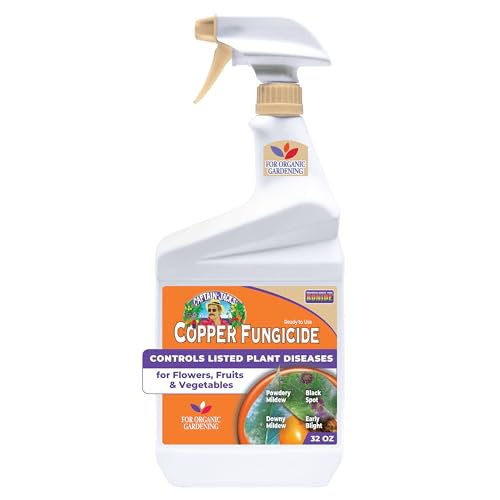
2 Apply an organic fungicide to the remaining healthy leaves to suppress the spread of the Colletotrichum pathogen.
3 Improve air circulation around the plant and avoid overhead watering to ensure the foliage stays dry, reducing the humidity that fungi thrive in.

Other Anthurium andraeanum Amis problems

Your plant might also be experiencing one of these issues:

local_hospital All symptoms eco All plants with sudden leaf drop
favorite