Anthurium andraeanum Amis Yellow Leaves
eco Yellow Leaves

Anthurium andraeanum Amis – Yellow Leaves

Why does your Anthurium andraeanum Amis have yellow leaves? Diagnose the cause and fix it with our step-by-step guide.

search Possible Causes

error

Overwatering and Root Rot

Anthuriums are highly susceptible to root suffocation if the substrate remains saturated. Excessive moisture prevents oxygen from reaching the roots, leading to fungal decay (Pythium or Phytophthora) which manifests as progressive yellowing of the foliage.

Very Common
lightbulb
How to confirm: Gently lift the plant from its pot to check if the roots are dark brown and mushy rather than firm and white.
build How to fix it
shopping_cart Recommended Products
1 Immediately remove the plant from its current pot and inspect the roots; trim away any mushy, black, or foul-smelling roots using sterilized shears.
2 Repot the Anthurium in a fresh, highly aerated substrate to prevent future suffocation, ideally mixing in perlite for better drainage.
3 Use a moisture meter to monitor the soil and ensure you only water when the top inch of substrate is dry, preventing further saturation.
error

Nitrogen Deficiency

An older Anthurium leaf turning entirely yellow is often a sign of mobile nutrient depletion. If the plant has been in the same potting medium for several years, it may lack sufficient nitrogen to maintain chlorophyll production.

Very Common
lightbulb
How to confirm: Observe if the yellowing starts on older, bottom leaves first while new growth remains green.
build How to fix it
shopping_cart Recommended Products
1 Apply a nitrogen-rich liquid fertilizer to boost chlorophyll production and address the nutrient depletion.
2 Check the soil moisture levels with a meter to ensure the nitrogen is being effectively absorbed by the roots.
3 Repot the plant in fresh, nutrient-rich potting soil if the current medium is several years old and depleted.
warning

Improper Humidity and Environmental Stress

Anthuriums require high humidity (above 60%) to thrive. Low humidity or sudden temperature drops can cause the plant to shed nutrients from leaves, leading to chlorosis and eventual yellowing as a stress response.

Common
lightbulb
How to confirm: Use a hygrometer to check if your ambient humidity is consistently below 50% in the plant's location.
build How to fix it
shopping_cart Recommended Products
1 Increase local humidity around the plant by using a pebble tray or a humidifier to maintain levels above 60%.
2 Mist the foliage regularly with a fine spray to provide supplemental moisture to the leaves.
3 Ensure the plant is kept in a stable environment away from cold drafts or sudden temperature fluctuations.
warning

Salt Accumulation (Fertilizer Burn)

Over-application of fertilizers can lead to a buildup of mineral salts in the sphagnum or bark medium. This creates osmotic stress, making it difficult for the roots to absorb water, resulting in yellowing leaf margins.

Common
lightbulb
How to confirm: Look for white, crusty deposits on the surface of the soil or the edges of the pot.
build How to fix it
shopping_cart Recommended Products
1 Flush the potting medium thoroughly with distilled or rainwater to leach out accumulated mineral salts from the root zone.
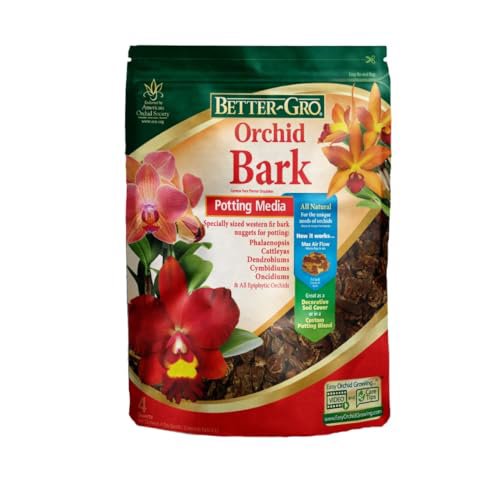
2 Repot the plant in fresh, well-draining substrate like orchid bark or a peat-based mix to completely remove the salt-laden medium.
3 Monitor soil moisture levels closely using a moisture meter to ensure you are not overwatering during the recovery phase.

Other Anthurium andraeanum Amis problems

Your plant might also be experiencing one of these issues:

local_hospital All symptoms eco All plants with yellow leaves
favorite