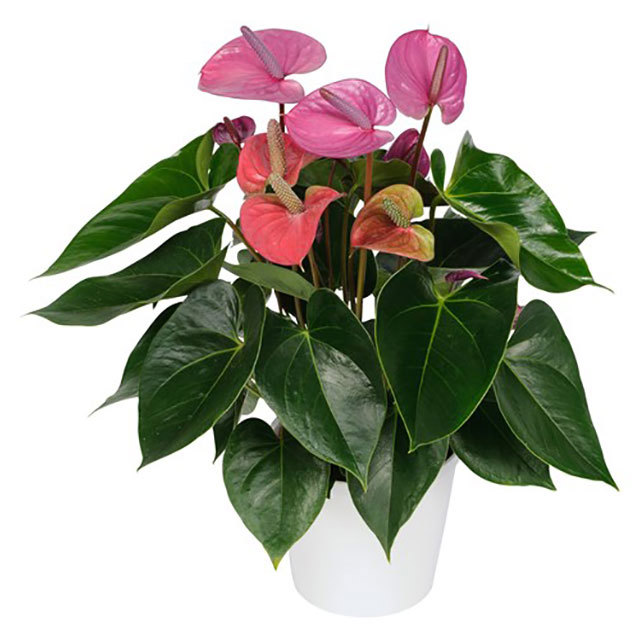
Anthurium andraeanum Cavalli Fine Webbing
eco Fine Webbing

Anthurium andraeanum Cavalli – Fine Webbing

Why does your Anthurium andraeanum Cavalli have fine webbing? Diagnose the cause and fix it with our step-by-step guide.

search Possible Causes

error

Spider Mites (Tetranychidae)

The presence of fine, silky webbing is a classic hallmark of spider mite infestations. These microscopic arachnids pierce the cells of the Anthurium leaves to feed on sap, often causing stippling or yellowing patterns before widespread damage occurs.

Very Common
lightbulb
How to confirm: Hold a white piece of paper underneath a leaf and tap the leaf sharply to see if tiny crawling specks fall onto the paper.
build How to fix it
shopping_cart Recommended Products
1 Immediately spray the plant with an organic insecticide/miticide to eliminate existing spider mite populations and eggs.
2 Wipe the leaves with a damp cloth to physically remove webbing and dust, then increase humidity to make the environment less hospitable for mites.
3 Isolate the affected Anthurium from other houseplants to prevent the mites from spreading to healthy plants.
warning

Low Humidity / Desiccation

Anthuriums are tropical plants that thrive in high humidity; when the air is too dry, the plant's microenvironment can become stressed. While not a direct producer of webbing, extreme dryness can make existing mite populations more aggressive and cause leaves to look 'dusty' or web-like due to fine debris sticking to desiccated leaf surfaces.

Common
lightbulb
How to confirm: Use a hygrometer to check if your ambient humidity is consistently below 50%.
build How to fix it
shopping_cart Recommended Products
1 Inspect the undersides of leaves for tiny moving pests like spider mites and treat the plant with an organic insecticide spray to eliminate any active infestation.
2 Increase ambient humidity around the plant by using a pebble tray or a fine misting bottle to prevent further leaf desiccation.
3 Monitor soil moisture levels closely to ensure the plant remains hydrated without becoming waterlogged, using a moisture meter for precision.
warning

Chelicerate Mites (Other species)

While less common than the two-spotted spider mite, other types of predatory or scavenging mites can create silk structures in highly stagnant air. These often coexist with larger pest outbreaks in Anthurium foliage.

Common
lightbulb
How to confirm: Inspect the undersides of the leaves and the junctions between the petiole and the stem for any concentrated clusters of tiny organisms.
build How to fix it
shopping_cart Recommended Products
1 Treat the plant with an organic insecticide/miticide spray to eliminate the mites and their silk webbing.
2 Increase airflow around the foliage to prevent the stagnant conditions that allow mite webbing to form.
3 Gently wipe the leaves with a damp cloth to physically remove any remaining webbing and mite eggs.

Other Anthurium andraeanum Cavalli problems

Your plant might also be experiencing one of these issues:

local_hospital All symptoms eco All plants with fine webbing
favorite