Anthurium andraeanum Cavalli Yellow Leaves
eco Yellow Leaves

Anthurium andraeanum Cavalli – Yellow Leaves

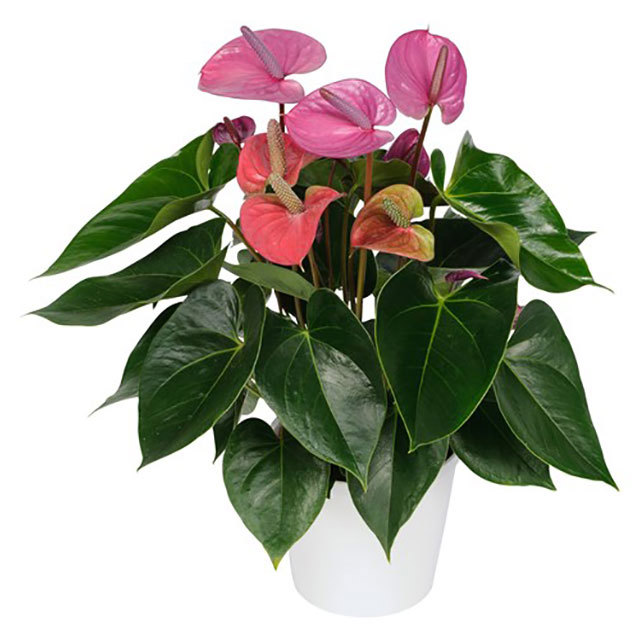
Why does your Anthurium andraeanum Cavalli have yellow leaves? Diagnose the cause and fix it with our step-by-step guide.

search Possible Causes

error

Overwatering and Root Rot

Anthuriums are highly susceptible to root hypoxia. Excessive moisture in the substrate causes the roots to decay, preventing the transport of nutrients and leading to chlorosis (yellowing) of the foliage.

Very Common
lightbulb
How to confirm: Stick your finger two inches into the soil; if it feels saturated or smells musty, the plant is likely overwatered.
build How to fix it
shopping_cart Recommended Products
1 Immediately stop watering and allow the substrate to dry out completely. Check the soil depth with a moisture meter to ensure the root zone is not staying saturated.
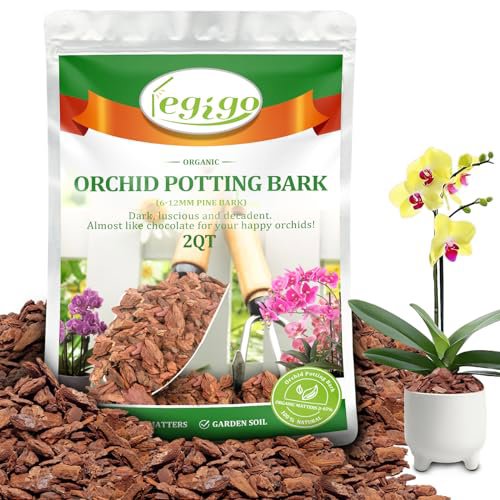
2 Repot the plant in a fresh, well-draining medium to replace the waterlogged soil. Use a mix containing perlite or orchid bark to improve aeration and prevent future hypoxia.
3 Carefully trim away any mushy, black, or foul-smelling roots using sterilized shears. Once the plant has stabilized, apply a microbial inoculant to help restore healthy root zone activity.
error

Nutrient Deficiency (Nitrogen/Magnesium)

As heavy feeders, Anthuriums require consistent levels of nitrogen and magnesium. A lack of these nutrients prevents chlorophyll production, causing older leaves to turn yellow first.

Very Common
lightbulb
How to confirm: Observe if the yellowing starts on older, lower leaves while new growth remains green.
build How to fix it
shopping_cart Recommended Products
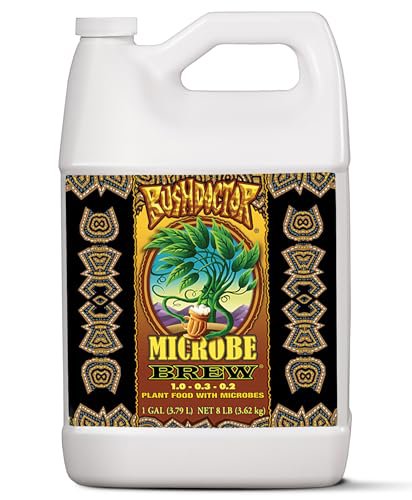
1 Apply a balanced liquid fertilizer to boost nitrogen and magnesium levels, ensuring the plant receives consistent nutrition during its growth cycle.
2 Supplement with a magnesium-specific fertilizer to strengthen cell walls and restore chlorophyll production in older leaves.
3 Monitor soil moisture levels using a moisture meter to ensure the plant is not experiencing waterlogged conditions, which can mimic nutrient deficiency symptoms.
warning

Low Humidity and Environmental Stress

Anthuriums are tropical plants that thrive in high humidity. Dry air or sudden temperature fluctuations can cause physiological stress, leading to leaf yellowing and eventual browning of edges.

Common
lightbulb
How to confirm: Check the ambient humidity level; if it is consistently below 50%, your plant is likely stressed.
build How to fix it
shopping_cart Recommended Products
1 Increase local humidity around the plant by using a pebble tray or a fine misting tool to prevent further moisture loss from leaves.
2 Ensure the plant is in a stable environment away from cold drafts or heating vents to minimize environmental stress.
3 Monitor soil moisture levels closely to ensure the plant is not experiencing drought stress alongside low humidity.
warning

Fungal Pathogen (e.g., Phytophthora)

In high-moisture environments, fungal pathogens can attack the vascular system of the Anthurium, causing rapid yellowing and wilting of the leaves.

Common
lightbulb
How to confirm: Inspect the base of the stems for any dark, soft, or water-soaked lesions.
build How to fix it
shopping_cart Recommended Products
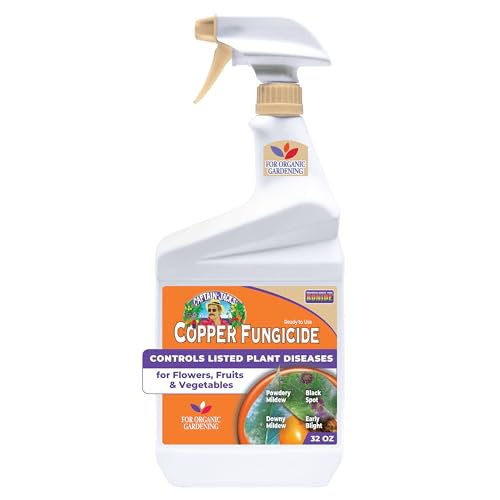
1 Apply a fungicide to the affected plant to combat the fungal pathogen and prevent the spread to healthy tissue.
2 Reduce watering frequency and ensure the plant is in a well-draining medium to prevent the high-moisture conditions that favor Phytophthora.
3 Use a moisture meter to monitor the soil and ensure you only water when the top inch of soil is dry.

Other Anthurium andraeanum Cavalli problems

Your plant might also be experiencing one of these issues:

local_hospital All symptoms eco All plants with yellow leaves
favorite