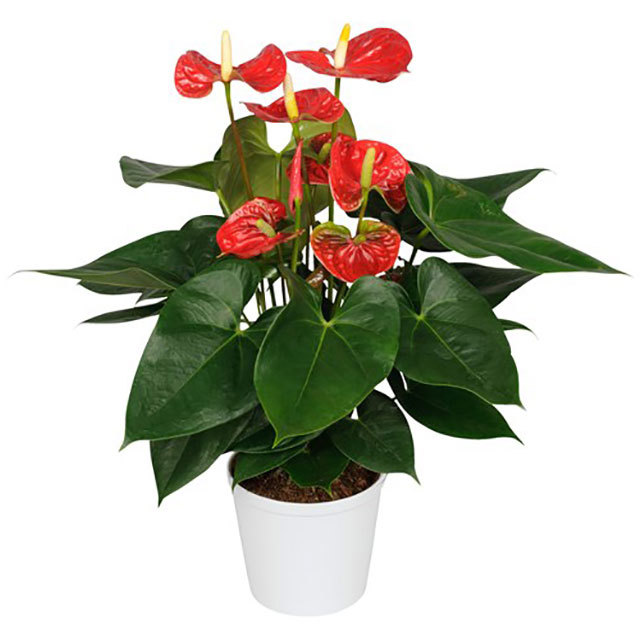
Anthurium andraeanum Madural Fine Webbing
eco Fine Webbing

Anthurium andraeanum Madural – Fine Webbing

Why does your Anthurium andraeanum Madural have fine webbing? Diagnose the cause and fix it with our step-by-step guide.

search Possible Causes

error

Spider Mite Infestation

Two-spotted spider mites thrive in the warm, dry conditions often found with Anthuriums. They pierce plant cells to suck out sap, leading to stippling and the production of characteristic fine silk webbing on the undersides of leaves.

Very Common
lightbulb
How to confirm: Hold a white piece of paper under a leaf and tap it to see if tiny crawling specks fall onto the paper.
build How to fix it
shopping_cart Recommended Products
1 Immediately spray the plant, especially the undersides of leaves, with an organic insecticide to kill existing mites and larvae.
2 Increase local humidity around the Anthurium to create an environment that is less hospitable to spider mite reproduction.
3 Check the soil moisture levels regularly to ensure the plant is not becoming too dry, which can trigger mite outbreaks.
warning

Low Humidity Stress

While not a direct cause of webbing, extremely low humidity can weaken the Anthurium's cuticle, making it more susceptible to mite attacks and causing leaf edges to crisp.

Common
lightbulb
How to confirm: Check if the air in your plant room is below 50% humidity using a hygrometer.
build How to fix it
shopping_cart Recommended Products
1 Treat the plant for spider mites by applying an organic insecticide spray to eliminate the webbing and pests.
2 Increase local humidity around the Anthurium using a fine mist spray bottle to prevent further cuticle weakening.
3 Monitor soil moisture levels closely to ensure the plant is not experiencing additional drought stress.
warning

Planthopper Nymphs

In some environments, small nymph stages of planthoppers can produce fine silken structures that mimic mite webbing as they move through the foliage.

Common
lightbulb
How to confirm: Inspect the stems and leaf axils closely for tiny, moving insects that are more distinct than mites.
build How to fix it
shopping_cart Recommended Products
1 Inspect the undersides of leaves and stems for small, moving nymphs and remove any visible clusters manually.
2 Apply an organic insecticide spray to the plant to eliminate nymphs and prevent further infestation.
3 Use yellow sticky traps near the foliage to capture any remaining flying adults and monitor for new nymphs.

Other Anthurium andraeanum Madural problems

Your plant might also be experiencing one of these issues:

local_hospital All symptoms eco All plants with fine webbing
favorite



