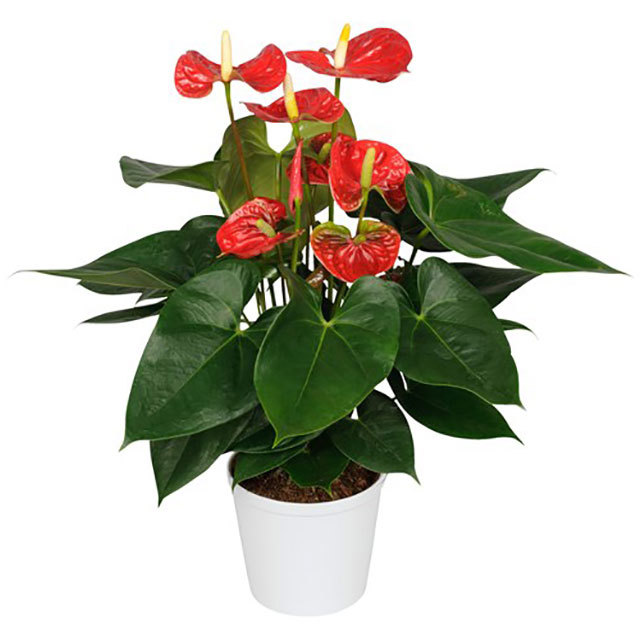
Anthurium andraeanum Madural Leggy Stems
eco Leggy Stems

Anthurium andraeanum Madural – Leggy Stems

Why does your Anthurium andraeanum Madural have leggy stems? Diagnose the cause and fix it with our step-by-step guide.

search Possible Causes

error

Insufficient Light Intensity

Anthuriums are understory plants that will stretch their petioles toward the nearest light source to maximize photosynthesis. If the light is too dim, the plant undergoes etiolation, resulting in long, weak, and spindly stems.

Very Common
lightbulb
How to confirm: Observe if the leaves are leaning heavily toward a window or if new growth appears significantly thinner than older foliage.
build How to fix it
shopping_cart Recommended Products
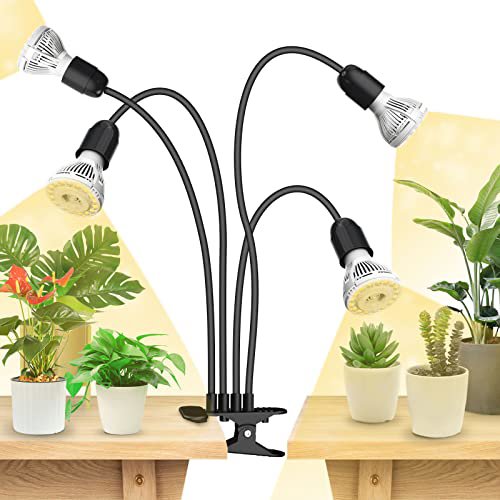
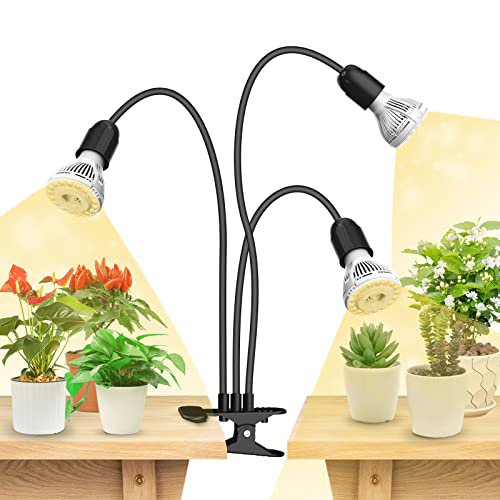
1 Increase the intensity of your light source by placing the plant closer to a window or using a dedicated grow light to prevent further stretching.
2 Supplement with a full-spectrum LED grow light to mimic the bright, indirect light of a tropical canopy.
3 Prune any excessively long or weak stems using sterilized shears to encourage a more compact, bushy growth habit.
warning

Excessive Nitrogen (High-Nitrogen Fertilizer)

An abundance of nitrogen promotes rapid vegetative growth, which can outpace the plant's structural integrity. This leads to soft, succulent, and elongated stems that lack the strength to support the heavy spathes.

Common
lightbulb
How to confirm: Check your recent fertilization schedule for high-nitrogen NPK ratios or frequent applications.
build How to fix it
shopping_cart Recommended Products
1 Flush the soil with plenty of fresh, room-temperature water to leach out excess nitrogen salts from the growing medium.
2 Repot the plant into a fresh, well-draining substrate to provide a balanced nutrient environment and improve structural support.
3 Transition to a balanced or low-nitrogen fertilizer, such as FoxFarm Big Bloom, to support bloom development without overstimulating foliage growth.
warning

Improper Humidity and Temperature Fluctuations

Low humidity causes the plant to transpire rapidly, forcing it to use energy for water regulation rather than structural stem development. In tropical species like Anthurium, dry air can lead to weakened cellular structure in new growth.

Common
lightbulb
How to confirm: Use a hygrometer to check if your ambient humidity is consistently below 50% during the growing season.
build How to fix it
shopping_cart Recommended Products
1 Increase local humidity around the plant by using a pebble tray or a humidifier to prevent rapid transpiration.
2 Maintain a stable temperature environment, avoiding drafts from air conditioning or heating vents that cause stress.
3 Mist the foliage regularly with a fine spray to provide immediate moisture to the leaves.

Other Anthurium andraeanum Madural problems

Your plant might also be experiencing one of these issues:

local_hospital All symptoms eco All plants with leggy stems
favorite