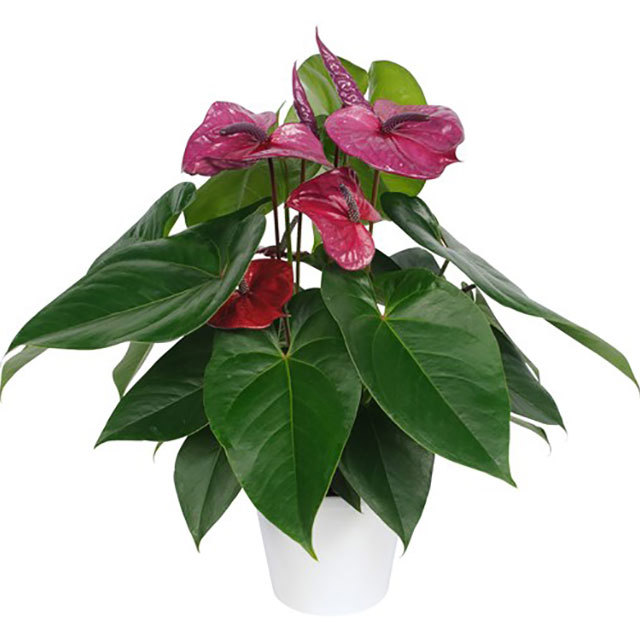
Anthurium andraeanum Utah Leggy Stems
eco Leggy Stems

Anthurium andraeanum Utah – Leggy Stems

Why does your Anthurium andraeanum Utah have leggy stems? Diagnose the cause and fix it with our step-by-step guide.

search Possible Causes

error

Insufficient Light Intensity

Anthuriums are shade-tolerant but require bright, indirect light to maintain structural integrity. When light levels are too low, the plant undergoes etiolation, stretching its petioles excessively to reach a light source.

Very Common
lightbulb
How to confirm: Observe if the leaves appear pale or if the internodes (distance between leaves) have noticeably increased in length.
build How to fix it
shopping_cart Recommended Products
1 Increase the light intensity by placing your Anthurium closer to a window or providing supplemental lighting.
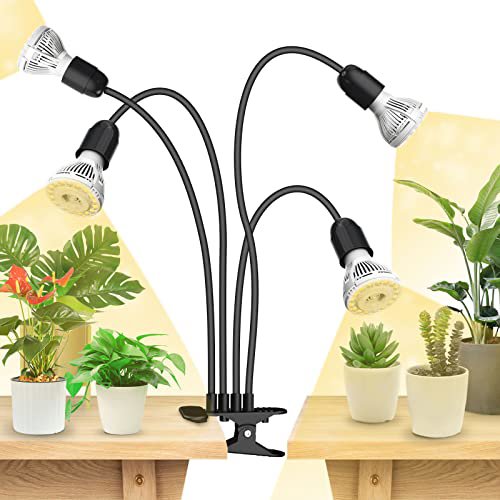
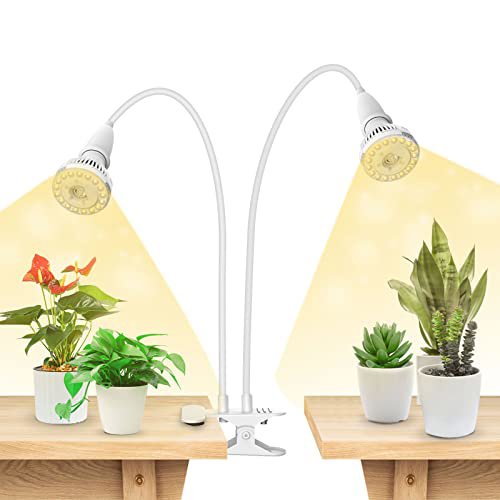
2 Use a full-spectrum LED grow light to provide the bright, indirect light necessary to prevent further stem stretching.
3 Prune any excessively long or weak stems that cannot be supported, using clean shears to prevent infection.
warning

Excessive Nitrogen Fertilization

High nitrogen levels promote rapid, succulent vegetative growth which can result in weak, spindly stems that lack the lignification needed to support heavy foliage.

Common
lightbulb
How to confirm: Check if you have recently used a fertilizer with a high first number (N) and look for dark green but soft-textured leaves.
build How to fix it
shopping_cart Recommended Products
1 Flush the soil with plenty of fresh, room-temperature water to leach out excess nitrogen salts from the root zone.
2 Switch to a balanced or low-nitrogen fertilizer to encourage stronger, more structural growth.
3 Increase light exposure using a full-spectrum grow light to provide the energy needed for stem strengthening and lignification.
warning

Improper Humidity and Air Circulation

Low humidity can cause the plant to prioritize rapid stem elongation to reach higher moisture levels in the air, especially if the environment is stagnant.

Common
lightbulb
How to confirm: Monitor your indoor hygrometer; if levels are consistently below 50%, this may be driving growth patterns.
build How to fix it
shopping_cart Recommended Products
1 Increase local humidity around the plant by using a pebble tray or a humidifier to prevent the plant from stretching toward moisture.
2 Improve air circulation by placing a small fan nearby to prevent stagnant air pockets that encourage leggy growth.
3 Ensure the plant is receiving adequate light to prevent it from searching for a light source, which often accompanies leggy stems.
warning

Overwatering and Root Compromise

While primarily causing rot, early-stage root decline prevents the plant from anchoring itself firmly, leading to a loss of turgor pressure in stems and a 'floppy' appearance that mimics legginess.

Common
lightbulb
How to confirm: Press the base of the stem near the soil line to see if it feels soft or if the substrate remains saturated for more than a week.
build How to fix it
shopping_cart Recommended Products
1 Inspect the roots for mushy, dark brown, or foul-smelling decay and prune away any compromised sections using sterilized tools.
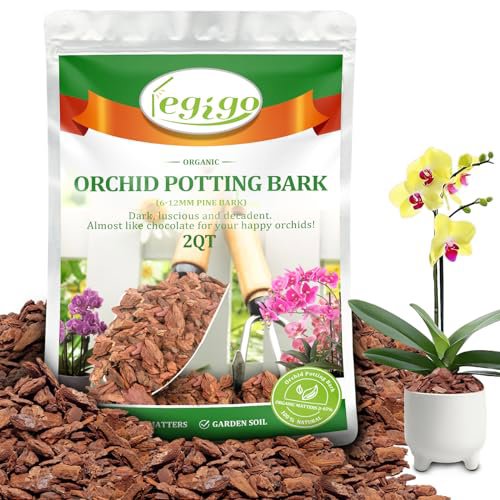
2 Repot the plant into a fresh, well-draining medium like orchid bark or a mix containing perlite to ensure proper aeration and prevent future rot.
3 Use a soil moisture meter to monitor the substrate, ensuring you only water when the top inch of soil is dry to avoid further root stress.

Other Anthurium andraeanum Utah problems

Your plant might also be experiencing one of these issues:

local_hospital All symptoms eco All plants with leggy stems
favorite