Arachis hypogaea Fine Webbing
eco Fine Webbing

Arachis hypogaea – Fine Webbing

Why does your Arachis hypogaea have fine webbing? Diagnose the cause and fix it with our step-by-step guide.

search Possible Causes

error

Two-Spotted Spider Mite Infestation

Spider mites are common pests of Arachis hypogaea that thrive in hot, dry conditions. They pierce the leaf cells to feed on sap, and the fine webbing is a characteristic defense and habitat structure created by the mite colonies.

Very Common
lightbulb
How to confirm: Hold a white piece of paper underneath a leaf and tap it to see if tiny moving dots fall onto the paper.
build How to fix it
shopping_cart Recommended Products
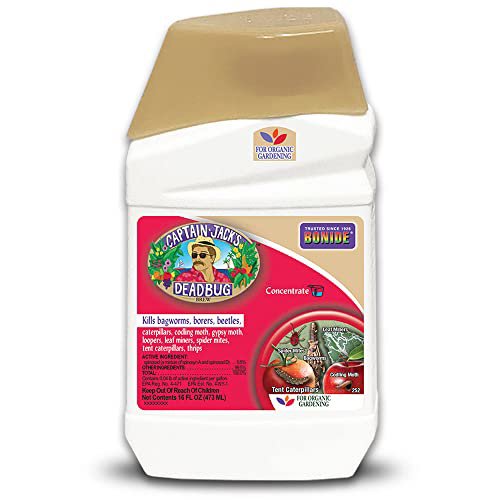
1 Immediately spray the plant with an organic miticide to eliminate the spider mite population and destroy mite eggs.
2 Increase humidity around the plant and ensure the soil remains moist, as spider mites thrive in hot, dry environments.
3 Prune and dispose of heavily infested or dead leaves to reduce the mite habitat and prevent further spread.
error

Tetranychus urticae (European Red Spider Mite)

While similar to the two-spotted variety, this specific mite species is highly aggressive in peanut crops during drought periods. The webbing often becomes denser as the infestation progresses, leading to chlorotic spotting on the underside of leaves.

Very Common
lightbulb
How to confirm: Inspect the underside of the lower leaves for tiny, reddish-brown specks moving near the webbing.
build How to fix it
shopping_cart Recommended Products
1 Apply an organic miticide/insecticide spray to the undersides of leaves to eliminate the spider mite population and destroy eggs.
2 Increase humidity around the plant and ensure consistent soil moisture to discourage mite activity, as they thrive in dry conditions.
3 Prune and dispose of heavily infested or dead foliage to prevent the mites from spreading to healthy parts of the plant.
warning

Leafroller Larvae

Certain lepidopteran larvae feed on peanut foliage by pulling the leaf edges together with silk threads. This creates a webbing effect that can be mistaken for mite damage, though it usually results in folded or rolled leaves rather than fine, uniform webs.

Common
lightbulb
How to confirm: Gently pull apart the webbed area to check for small green caterpillars or larvae hidden inside the leaf folds.
build How to fix it
shopping_cart Recommended Products
1 Manually remove visible larvae and rolled leaves from the plant to prevent further foliage damage.
2 Apply an organic insecticide to eliminate remaining larvae and protect against future lepidopteran pests.
3 Monitor the plant regularly using a magnifying glass to distinguish between true mite webbing and leafroller silk.

Other Arachis hypogaea problems

Your plant might also be experiencing one of these issues:

local_hospital All symptoms eco All plants with fine webbing
favorite