Arachis hypogaea Yellow Leaves
eco Yellow Leaves

Arachis hypogaea – Yellow Leaves

Why does your Arachis hypogaea have yellow leaves? Diagnose the cause and fix it with our step-by-step guide.

search Possible Causes

error

Nitrogen Deficiency

Nitrogen is a mobile nutrient in peanut plants; when deficient, the plant relocates nitrogen from older leaves to newer growth, causing chlorosis starting with the bottom leaves. This often leads to stunted pod development.

Very Common
lightbulb
How to confirm: Observe if the yellowing begins on the oldest, lowest leaves while new growth remains green.
build How to fix it
shopping_cart Recommended Products
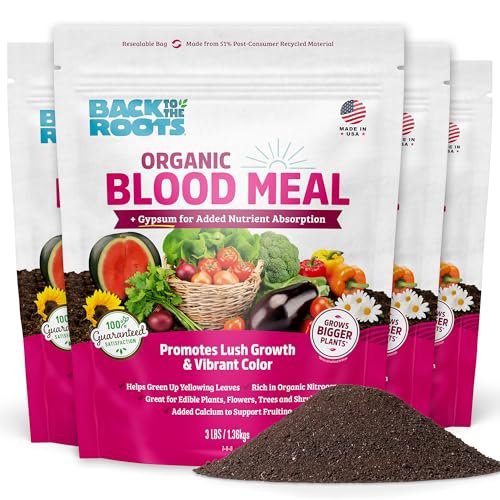
1 Apply a nitrogen-rich organic fertilizer to the soil to replenish the mobile nutrient levels and stop the chlorosis in older leaves.
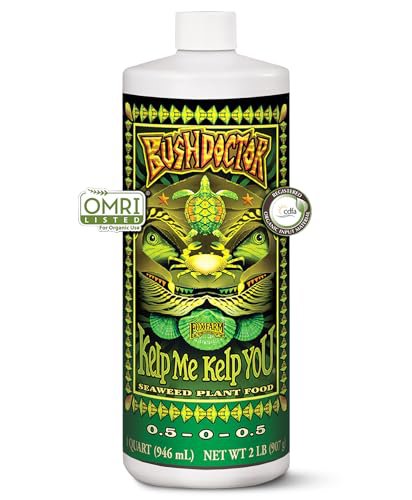
2 Supplement with a liquid seaweed fertilizer to boost overall nutrient uptake and support vigorous new growth.
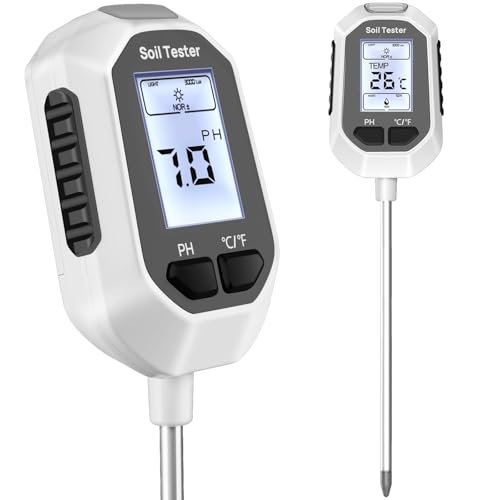
3 Monitor soil moisture levels using a moisture meter to ensure the nitrogen-enriched soil remains adequately hydrated for nutrient transport.
error

Waterlogging and Poor Drainage

Peanuts are highly sensitive to anaerobic soil conditions. Excessive moisture displaces oxygen in the rhizosphere, leading to root suffocation and yellowing of the foliage due to impaired nutrient uptake.

Very Common
lightbulb
How to confirm: Check for standing water in the field or if the soil remains saturated long after rain events.
build How to fix it
shopping_cart Recommended Products
1 Immediately improve soil drainage by adding horticultural perlite to the potting medium to increase aeration and prevent further root suffocation.
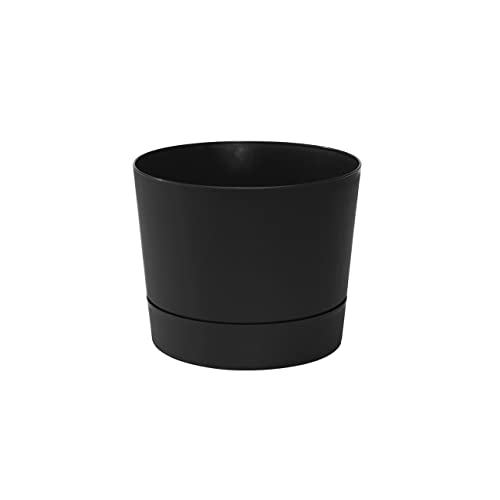
2 Repot the plant into a container with superior drainage, such as a Root & Vessel cylinder pot, ensuring the soil mix is well-draining and does not retain excess water.
3 Use a soil moisture meter to monitor the rhizosphere and ensure the soil is allowed to dry out between watering sessions to avoid future waterlogging.
warning

Sooty Mold (associated with Aphids/Whiteflies)

Sap-sucking insects excrete honeydew, which promotes the growth of black sooty mold on peanut leaves. This coating interferes with photosynthesis, causing the underlying leaf tissue to appear yellow or chlorotic.

Common
lightbulb
How to confirm: Inspect the undersides of leaves for small moving insects or a sticky residue and black fungal growth.
build How to fix it
shopping_cart Recommended Products
1 Identify and eliminate the underlying pest population by applying an organic insecticide to kill aphids and whiteflies.
2 Gently wash the black sooty mold off the leaves with a soft cloth or water spray to restore the plant's ability to photosynthesize.
3 Monitor soil moisture levels to ensure the plant remains healthy and resilient during pest recovery.
warning

Iron Chlorosis

In high-pH (alkaline) soils, iron becomes chemically unavailable to the peanut plant. This results in interveinal chlorosis, where leaf veins remain green while the rest of the leaf turns yellow.

Common
lightbulb
How to confirm: Look for a pattern where the veins stay distinctively green while the tissue between them turns bright yellow.
build How to fix it
shopping_cart Recommended Products
1 Lower the soil pH by applying an acidifying amendment to make iron more bioavailable to the peanut plant.
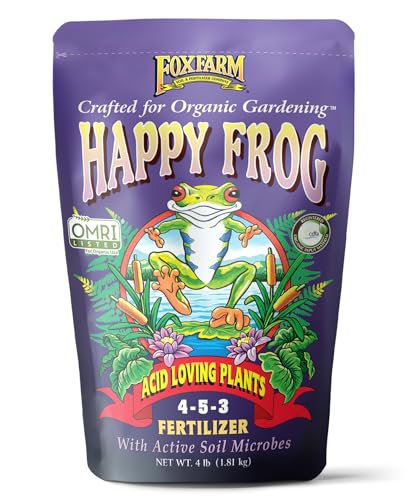
2 Apply a chelated iron supplement or a balanced liquid fertilizer to provide immediate nutrient uptake.
3 Monitor soil acidity and moisture levels regularly using a soil tester to ensure the pH remains in the ideal range for peanut plants.

Other Arachis hypogaea problems

Your plant might also be experiencing one of these issues:

local_hospital All symptoms eco All plants with yellow leaves
favorite